The National Irrigation Authority (NIA) is accelerating efforts to complete key dam projects and expand water-harvesting infrastructure across the Coast region as the country prepares for what forecasters warn could be one of the strongest El Niño events in decades.
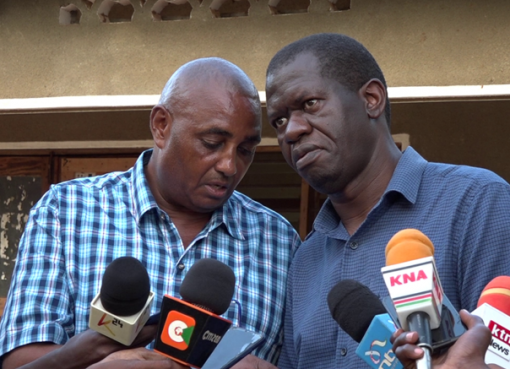
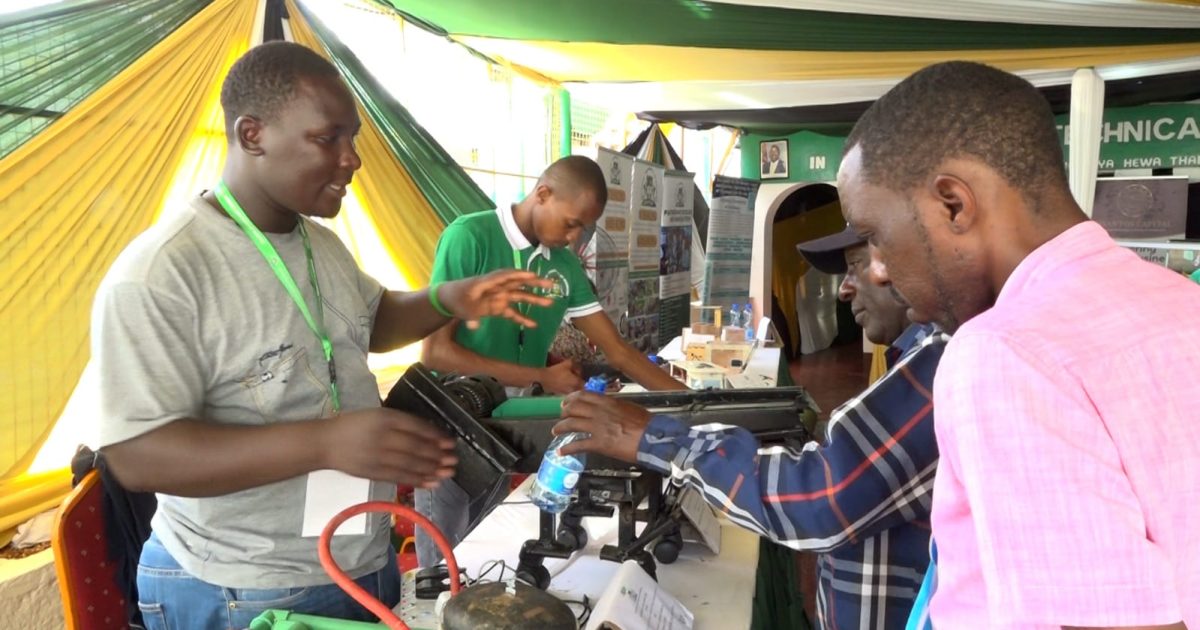
Speaking at the Authority’s stand during the Mombasa International Show, Director of Irrigation Management Services Engineer Jairus Serede said NIA is implementing water harvesting initiatives at household, community and large-dam levels under its Irrigation Water Harvesting and Storage Programme.
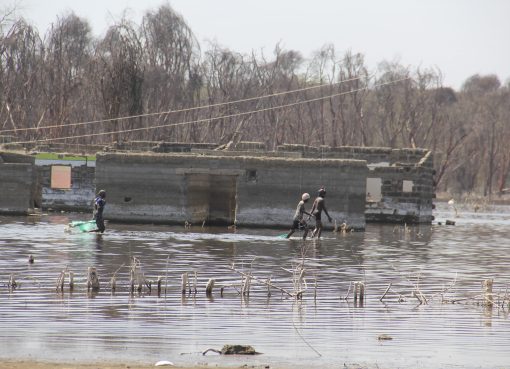
Serede said the programme, which has been running for nearly a decade, has gained greater urgency following forecasts by the Kenya Meteorological Department indicating an 81 per cent probability of a very strong El Niño event, with above-average rainfall expected between October and December across most parts of the country, including the Coast.
He added that there is a 97 per cent likelihood that the weather phenomenon will persist into early 2027, increasing the need for flood preparedness and long-term water storage measures.
“We are desilting existing canals in our irrigation schemes to improve drainage and reduce flooding risks, while working with partners to complete key large dams so that floodwaters can be captured and stored for use during subsequent dry seasons rather than allowed to run off,” said Serede.
Among the flagship projects is the Mwache Multi-Purpose Dam in Kwale County, which is more than 90 per cent complete. The Ministry of Water, Sanitation and Irrigation targets October 2026 for the commencement of water impoundment at the 84-metre-high structure.
Serede said the Authority is also supporting plans for a proposed dam at Galana Kulalu through financing expected under the National Infrastructure Fund. The project is intended to capture excess water for irrigation during dry periods.
At the household level, NIA is implementing a Household Water Harvesting Irrigation Programme that involves the construction of small water pans free of charge for individual farmers. The pans enable farmers to capture surface runoff and irrigate crops during dry spells.
Nationally, more than 8,724 household water pans have been completed, alongside 143 community water pans and small dams. A further 65 community water structures are under construction.
Serede noted that Kenya has an estimated 6,000 community water pans and small dams, many of which have become silted and require rehabilitation before the expected heavy rains.
The Authority is also exploring ways of helping farmers line water pans to reduce seepage losses and adopt solar-powered pumping systems to lower irrigation costs and reduce dependence on diesel and grid electricity.
“Our goal is to ensure that the water brought by the anticipated El Niño rains is not lost through flooding and runoff, but is captured and stored for use during dry seasons,” Serede said.
Beyond water harvesting, the Authority is promoting climate-smart agriculture and rice intensification to support national food security.
At the show, NIA demonstrated water-saving rice production technologies and encouraged farmers to adopt improved crop varieties, including the Komboka rice variety, which matures in about four months and has shown promising results in Taita Taveta, Kilifi and Tana River counties.
Serede said Taita Taveta has the potential to support over 60,000 acres of rice farming, while the Bura and Tana irrigation schemes currently have more than 5,000 acres under production and capacity is expeted to expand to 45,000 acres.
The Authority aims to increase national rice production to about 800,000 metric tonnes within the next two years in order to reduce the country’s reliance on imports, currently estimated at 80 per cent of domestic demand.
NIA is also collaborating with Selu Limited on the Galana Kulalu Irrigation Programme and with the Nyumba Foundation to advance the government’s food security agenda.
The 200,000-acre Galana Kulalu Food Security Project, implemented through a public-private partnership involving NIA and private investors, is expected to produce more than 14 million bags of maize annually and significantly boost national rice production once fully operational.
Serede called on county governments and development partners to support investment in irrigation infrastructure, noting that effective water management remains critical to addressing climate change, enhancing food security and sustaining agricultural productivity amid increasingly unpredictable weather patterns.
By Joan Kinuthia