President’s adviser on development matters Paul Waiganjo has resigned from his position, citing structural limitations that he said had prevented him from effectively delivering on the mandate of his office.
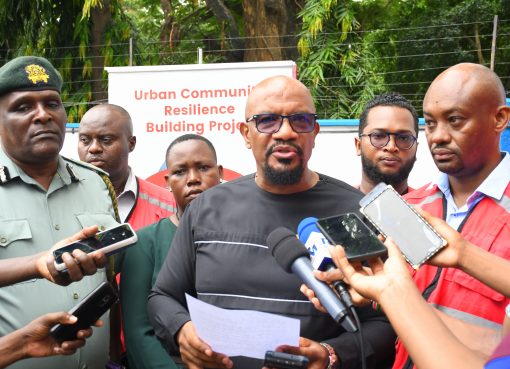
Waiganjo announced his resignation on Friday during a press briefing at a Nairobi hotel, saying he had tendered his resignation after months of reflection on his role and its ability to address development challenges facing his home county and the country.
“I cannot meaningfully execute my mandate because of the structural redundancies of this office. I have made the firm principle and good faith decision to tender my resignation on this 25th day of September 2026,” he said.
Waiganjo said he was appointed adviser to the President on development matters on May 28, 2026, a position he initially viewed as an opportunity to spearhead development programmes, including school construction, hospital upgrades, borehole drilling, street lighting, and sustainable job creation.
He said his decision followed extensive consultations with local clergy, council elders, professionals, entrepreneurs, and young people, which, according to him, exposed a disconnect between his national role and the challenges experienced by citizens at the grassroots.
“Through this engagement, a sobering reality emerged, and a profound disconnect existed between my state role and the pressing struggles on the ground,” he said.
Waiganjo said the situation raised questions about the relevance of drawing a salary from a position whose mandate, in his view, did not provide sufficient room to address challenges facing citizens.
He cited inadequate resources in hospitals, school dropouts linked to delayed capitation, and the pressure of taxation on businesses as some of the challenges that influenced his decision.
Waiganjo also highlighted infrastructure and agricultural challenges in the county, saying poor roads, unreliable electricity, and inadequate industrial infrastructure had limited the region’s economic potential.
He said poor transport infrastructure had contributed to post-harvest losses of between 30 and 40 per cent, forcing farmers to sell perishable produce at low prices.
According to Waiganjo, inadequate electricity supply had also constrained investment in cold storage, food preservation, milk processing, and potato manufacturing, limiting opportunities for local value addition.
He said the county has significant agricultural potential, including large-scale production of Irish potatoes and milk, but argued that more investment in infrastructure was necessary to translate the resources into sustainable economic growth.
“To truly unlock the potential and greatness of Nyandarua, we can no longer settle for untapped promise. We must boldly transform these natural blessings into modern infrastructure, economic resilience, and lasting dignified prosperity for every single resident,” he said.
Waiganjo said his resignation was also informed by his belief that public office should be used to serve citizens and promote equitable development.
“True leadership is not a pursuit of individual power but a sacred commitment to the common good,” he said, adding that leaders must earn the trust of citizens through integrity and accountability.
He further said patriotism should not be equated with loyalty to individual leaders but should involve commitment to the country, the Constitution, and the rights of citizens.
“Patriotism means to stand by the country. It does not mean to stand by the President or any other public official,” Waiganjo said.
Following his resignation, Waiganjo said he intended to align himself with what he described as a growing national demand for social and economic change, accountability, equity, and justice.
He said he had reached a “moment of profound awakening and radical realignment,” adding that he would step away from government and work alongside citizens in pursuit of what he described as constitutional rights and improved livelihoods.
Waiganjo said he remained committed to development and promised to pursue what he described as a clear and actionable plan for the restoration of the country.
“As I step into this new chapter alongside the sovereign people of Kenya, I do so with unwavering belief in our shared destiny and the righteous promise of our nation,” he said.
He expressed gratitude to residents of his home constituency for their support, saying their confidence had influenced his decision to accept the government appointment in the first place.
Waiganjo concluded by calling for unity in addressing economic challenges, saying the country should work towards equity, justice, and economic freedom.
By Wasidia Freshwin and Lilian Gichohi