The government is stepping up community-based crime prevention and rehabilitation programmes, aimed at tackling youth crime, substance abuse and repeat offending through stronger partnerships between probation services and local communities.
By strengthening volunteer networks, mentorship and reintegration programmes, the government seeks to address substance abuse, crime and repeat offending among young people.
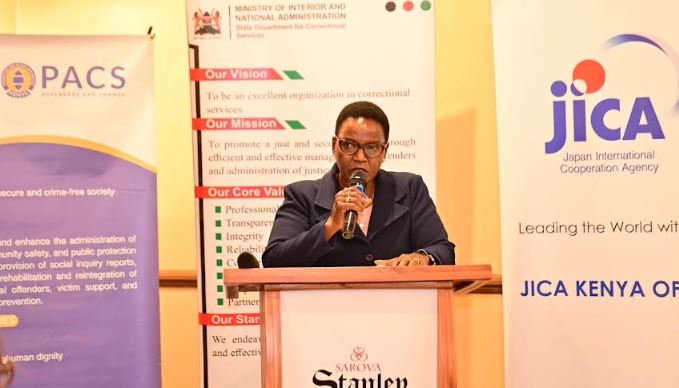
Correctional Services PS Dr Salome Beacco said community participation was critical in addressing the challenges facing children and young people in conflict with the law, noting that effective rehabilitation requires sustained support beyond formal correctional institutions.
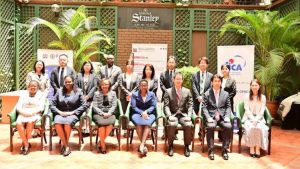
Speaking in Nairobi during the Third Community Probation Volunteers (CPV) Joint Coordinating Committee Meeting, Dr Beacco called for stronger mentorship, accountability, supervision and monitoring of volunteers to improve the effectiveness of community-based interventions.
The meeting was held under the Project on Community-Based Crime Prevention, Supervision, Rehabilitation and Reintegration of Children and Young Persons in Conflict with the Law, implemented with support from the Japan International Cooperation Agency (JICA).
Dr. Beacco emphasised the need to integrate the CPV initiative into institutional plans and budgets to ensure its sustainability beyond the project’s implementation period.
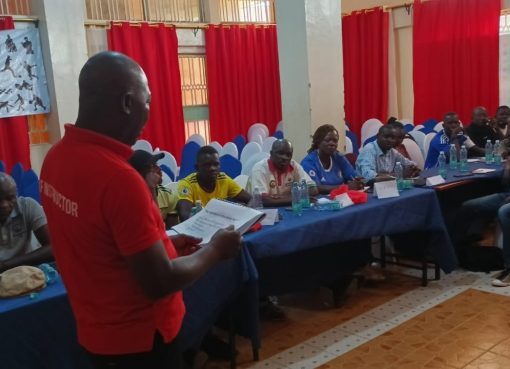
The PS said Community Probation Volunteers play a vital role in bridging the gap between the government and local communities, particularly in preventing crime and supporting the rehabilitation and reintegration of young offenders.
She urged stakeholders to strengthen collaboration and develop practical tools and training materials to equip volunteers with the skills needed to support children and young people returning to their communities.
Dr Beacco also called for the documentation of successful interventions to inform future programmes and help build safer and more resilient communities.
During discussions on project progress, sustainability measures and plans to expand the initiative to additional probation stations, JICA Kenya Senior Representative Fumihiko Suzuki said the programme had helped establish a sustainable community-level probation model in the country.
The initiative seeks to strengthen community involvement in the supervision and rehabilitation of children and young people in conflict with the law, while creating supportive environments that reduce the risk of reoffending.
The meeting brought together key government officials and development partners, including Yoko Kotoura, a director at JICA; Naoki Sugano, Deputy Director at the United Nations Asia and Far East Institute for the Prevention of Crime and the Treatment of Offenders (UNAFEI); and Rahab Kyengo, Director of Probation, representing the Secretary of Probation and Aftercare Services.
Senior probation officers and JICA representatives also attended the meeting to review progress and identify measures to strengthen the programme’s implementation and long-term impact.
The engagement reaffirmed the State Department for Correctional Services’ commitment, alongside its partners, to expanding community-based approaches that promote rehabilitation, reduce repeat offending and support the successful reintegration of children and young people into society.
By Joseph Ng’ang’a