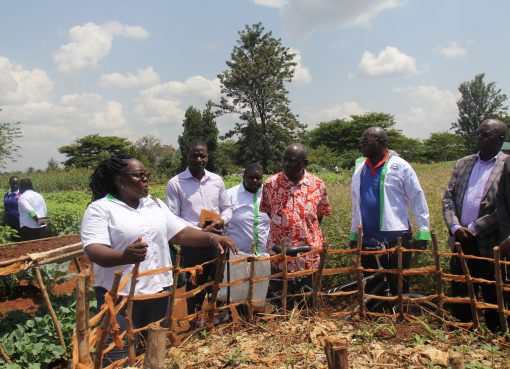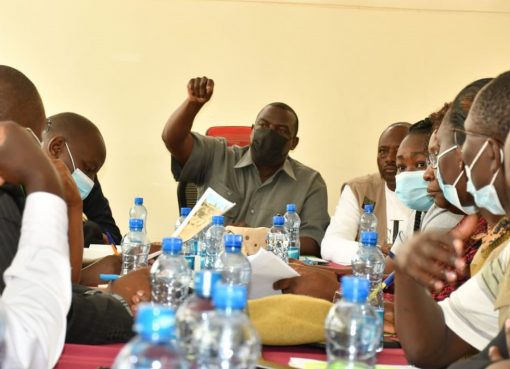
A cross-section of farmers in Nandi County is abandoning maize for avocado farming, betting on climate-resilient crops to cushion them from mounting losses linked to crop failures, high input costs and erratic weather.
Farmers drawn from Emgwen, Aldai, Nandi Hills and Tinderet sub-counties say avocado offers better returns, lower production costs and is less labour-intensive compared to maize, whose yields have become increasingly unpredictable.
The shift is being driven by a conservation campaign led by environmental activists Joel Malakwen and Allan Ondiek, who are mobilising farmers to plant 800,000 avocado trees, alongside indigenous species, to boost household incomes, improve nutrition and restore degraded landscapes.
The campaign targets two million trees across the four sub-counties, including 1.2 million indigenous trees and 800,000 avocado trees.
This season almost more than 175,000 avocado seedlings are lined up for transplanting.
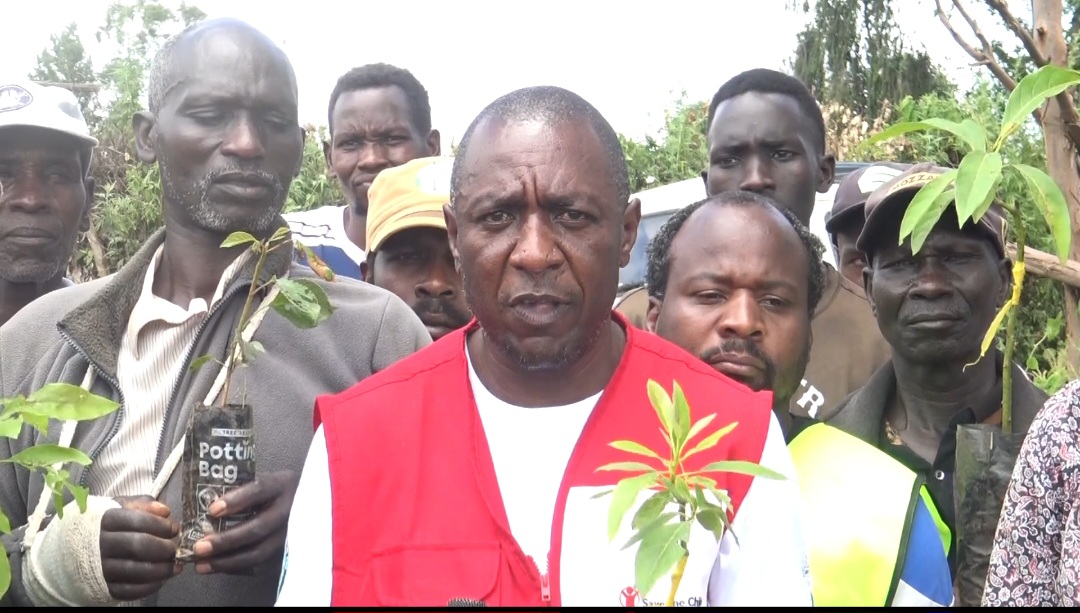
Speaking during a tree planting drive in Kapsabet to mark Mazingira Day celebrations, Malakwen said 61 nurseries have been established to support the drive — 40 for indigenous species and 21 for avocado seedlings.
He said the initiative is promoting Royal Hass and Fuerte varieties, which have shown promising yields in the area.
“Royal Hass is the most preferred because of its high yields and nutritional value. The project is not only about putting money in farmers’ pockets but also improving nutrition at the household level,” he said.
Ondiek said the initiative seeks to address two challenges facing rural households — environmental degradation and the need for sustainable food and income sources.
“We want farmers to diversify as they increase tree cover and access to fruits,” he said.
For many growers, the switch is informed by painful losses.
Hosea Koskey, a farmer who has taken up avocado farming, said the low establishment cost and promising yields offer hope after years of losses in maize.
Eliud Kiplagat said some farmers invested heavily in fertiliser but harvested little, leaving them financially strained.
“We planted maize and spent a lot on fertiliser but got no harvest. We believe in two years we will reap big from avocado,” he said.
Victor Yator blamed declining maize output on climate change and fake seeds circulating in the market, urging farmers to diversify to build resilience.
The transition, however, means farmers will have to navigate the two-to-three-year wait before avocado orchards mature into a steady income stream.
Nandi County Director of Environment Dr. James Melly lauded the initiative, saying it will support the county’s tree cover restoration while delivering economic and nutritional gains.
He noted it could also help reduce human-wildlife conflict by increasing the availability of fruits for monkeys and birds, which often raid farms in search of food.
“Our environment is degraded, with most fruit trees depleted. That is why we are witnessing human-wildlife conflict. Monkeys and birds will also benefit,” Melly said.
The initiative comes amid growing calls for smallholders to adopt diversified, climate-smart practices to cut vulnerability to crop failure.
By Kosuri Valarie