Bandari Maritime Academy (BMA) has reiterated its commitment to developing a technically skilled workforce capable of driving growth across maritime, oil and gas and the wider industrial sectors.
Strategically located on a scenic oceanfront, in the vibrant port city of Mombasa, the institution is Kenya’s premier centre for maritime education and training.

BMA was officially established in 2018 after transforming from Bandari College, which was originally founded and commissioned in 1980 by the Kenya Ports Authority.
The maritime centre has developed several training programmes and specialised fields to bridge the country’s maritime skills gap and empower the young generation.
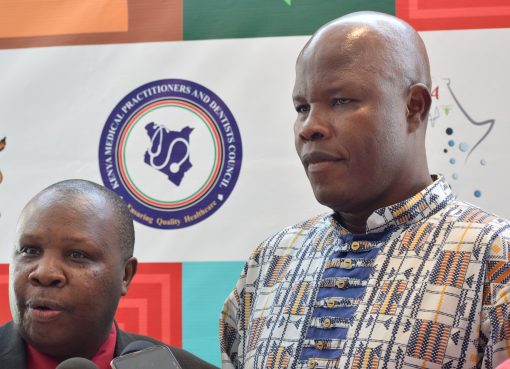
BMA Deputy Director, Maritime Transport and Operations Training, Enock Okwema, says the institution is scaling up practical and industry-relevant competencies that would enable its trainees to participate meaningfully in the country’s blue economy, industrial and energy sectors.
Okwema said the maritime centre is focused on bridging the gap between academia, research and industry by converting knowledge into practical and industry-ready competencies for the marine, offshore and energy sectors.
“We are committed to practical and industry-focused training to enable our trainees to acquire relevant skills and competencies,” he said, noting that the maritime sector is a vital pillar for job creation.
The senior BMA official says the centre has extended its maritime education and training awareness campaign to the counties, targeting young people pursuing technical and vocational skills and seeking to explore emerging opportunities in the maritime and blue economy sectors.
The campaign aims to equip trainees with information on maritime training programmes, career pathways and employment opportunities available in the growing maritime industry.
Okwema highlighted some of the career opportunities in the maritime sector spanning seafaring, port operations, maritime administration, ports infrastructure, marine engineering and shore-based logistics.
The maritime trainer urged the youth to acquire port operations and equipment skills to position themselves for employment opportunities arising from the Dangote oil refinery investment in Lamu County.
The Sh2.6 trillion project is a mega direct investment that will boost the economy by refining 700,000 barrels of oil a day and employ 60,000 people.
Industry stakeholders contend that developing maritime skills is essential for the country’s new oil refinery to manage increased crude imports, finished product exports and coastal logistics and safety and efficiency.
The oil production in Lockichar in Turkana County, which holds an estimated 326 million barrels of recoverable oil and the Dangote oil refinery are core anchors of the wider LAPSSET (Lamu Port-South Sudan-Ethiopia-Transport) corridor project.
The LAPSSET Corridor Program is a regional flagship project intended to provide transport and logistics infrastructure aimed at creating seamless connectivity between Kenya, Ethiopia and South Sudan.
The project connects a population of 160 million people in the three countries, and additionally, the LAPSSET Corridor is part of the larger land bridge that will connect the East African coast from Lamu Port to the West coast of Africa at Douala Port in Cameroon.
Okwema was speaking during the Innovation and Business Summit 2026 organised by Jumuiya Ya Kaunti Za Pwani (JKP) at Tana River Vocational Training Centre in Hola, Tana River County, running under the theme ‘Driving Economic Growth through Innovation and Entrepreneurship Commercialisation‘.
“The industry will need port equipment operators, and that BMA is well equipped to provide the necessary training,” Okwema said.
He went on, “The maritime sector can play a significant role in diversifying our national economy, as it is endowed with enormous natural resources, and it is where all attention is now focused on.”
He also called on county governments to establish sponsorship programmes to enable more youths, especially those from needy backgrounds, to access technical training and prepare for emerging employment opportunities.
“The maritime training centre is open to working with county governments to ensure that needy students are supported to access training,” he said.
He said BMA currently offers several port operations equipment courses, including forklift operations, gantry cargo crane simulator, and terminal tractor driving, which are essential in the Dangote Oil Refinery investment.
Okwema said the country’s ability to derive sustainable economic benefit from its maritime resources would largely depend on the quality and relevance of the human capital available to propel the sector forward.
“The blue economy is not just about the sea but about the myriads of opportunities that lie within it, and our youth must be equipped with the skills and knowledge to harness these opportunities and drive economic growth transformation,” he said.
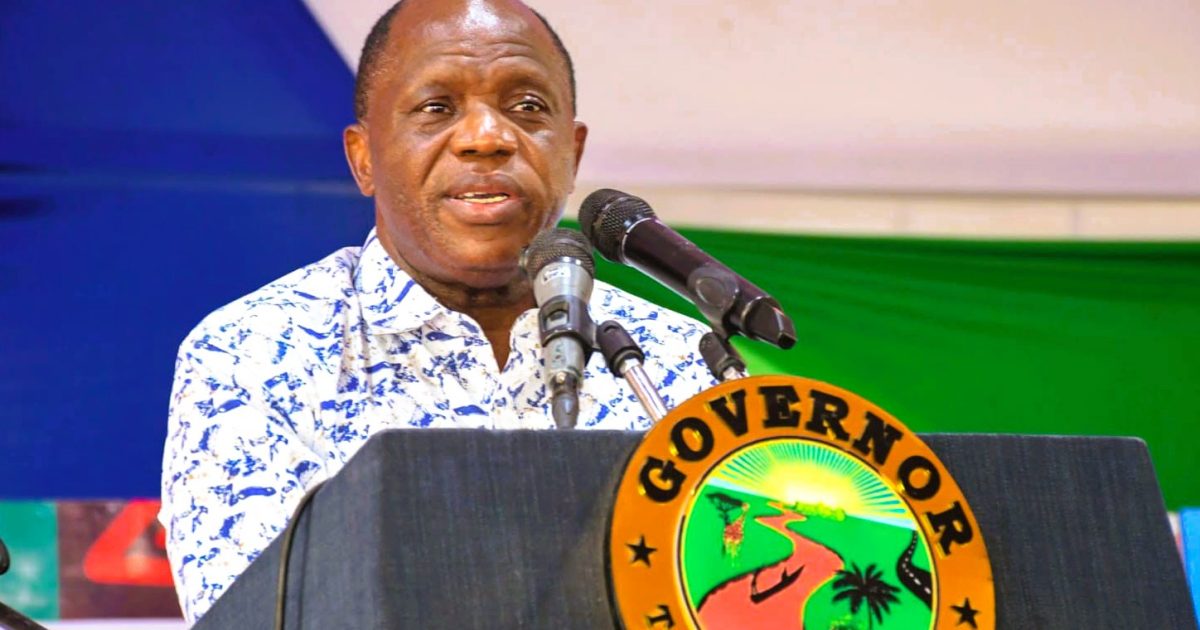
JKP Chairman and Tana River Governor Maj (Rtd) Dhadho Godhana says the coastal counties with abundant untapped marine and coastal resources are safe for investment and have a lot to offer.
“We are committed to providing the necessary institutional support and conducive business environment for investors to thrive in the blue economy sector,” he said.
The Tana River County boss says the country must leverage its large youth population to unlock the abundant potential of the maritime and blue economy sector.
“The vast opportunities in the maritime and blue economy sector remain largely untapped avenues for employment and enterprise development,” he said.
The blue economy sector, also known as the sustainable ocean-based economy, encompasses fisheries, maritime biotechnology, aquaculture, tourism and marine transport and logistics.
Stakeholders contend that Kenya’s maritime sector offers a wide range of career opportunities across regulatory bodies, port operations, shipping logistics, and sea-based roles, anchored heavily around the Port of Mombasa and agencies like the Kenya Maritime Authority.
By Hussein Abdullahi