The aquaculture consortium (TAC) in Kenya in collaboration with the Norwegian Agency for Cooperation has launched youth-led initiatives in the aquaculture sector aimed at bridging Kenya’s 450,000 metric tons fish annual deficit.
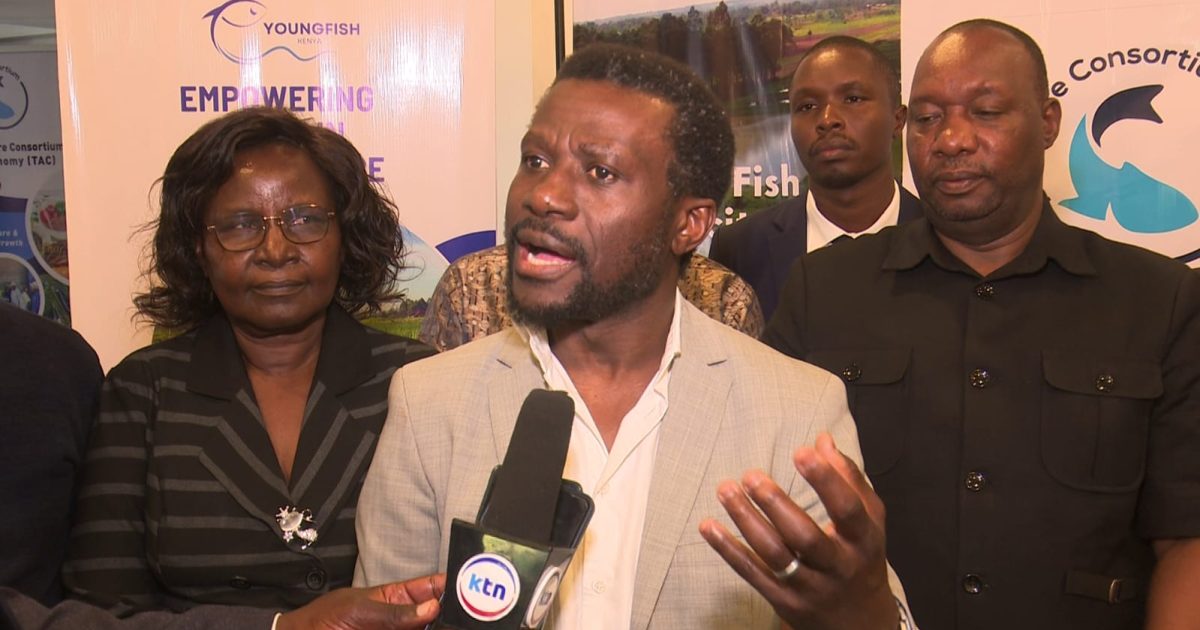
Speaking during the launch in Kisumu, TAC CEO, Felix Osok, said the Young-fish-and-the-Girls in aquculture initiatives will not only attract but also support the students and girls out of school to embrace and exploit opportunities in the sector which has an estimated potential of one billion USD.
Osok disclosed that the consortium has also launched additional initiatives of digitization and financing in the aquaculture sector that will see the use of artificial intelligence and improved access to financing in the sector to act as a catalyst in the Kenyan Blue economy and aquaculture ecosystem.
“Our focus is to move Kenya from a fish deficit to a fish powerhouse on the continent. We want to draw lessons and experience from Norway which has transformed their fishing sector to become the 2nd highest contributor to its GDP and is also a global leader in the aquaculture sector” said Osok.
He observed that Kenya fisheries sector is characterised by a fragmented ecosystem and structural challenges which can only be addressed through collaboration, adoption of technology and addressing the under investment of the small-scale fish farmers who contribute 80 percent of the food basket.
“We have a lot of players in the sector who each wants to do everything from fingerling and fish production to marketing and innovation of digital tools, resulting into a fragmented ecosystem. We need to talk to each other and share knowledge hence the digital platforms which will also bring our young ones on board and also focus on funding the small-scale farmers who contribute more to the food basket,” Osok added.
Blue Economy Pricinpal Secretary Ms Betsy Njagi, in a speech read by the blue economy and fisheries Nyanza and Western regional coordinator, Mr Samson Kidera, observed that the fisheries sector is a growing pillar in Kenya’s economy contributing to 0.7 percent of the GDP with the growth expected to rise to 1percent in 2027.
Njagi stated that despite producing 168MT of fish valued at Sh39.6 billion in 2024, the production remains relatively low compared to other countries on the continent which has neccesitated the review of fisheries policy to address structural and investment challenges that have hindered the growth of aquaculture in the country.
The PS expressed gratitude to the government of Norway for her collaboration towards supporting the growth of aquaculture sector in the country.
Through the Norwegian Agency for Exchange Cooperation, the government of Norway has sent girls form Norway aquaculture sector to Kenya who will mentor girls from Kenya to venture into aquaculture and also link them to institutions and the private sector in Norway for support.
Kidera said the government has adopted a collaborative approach to bridge the fish deficit gaps as envisioned in the Revised 2025 Fisheries Policy which will soon be rolled out.
Kidera revealed the government has encouraged insurance products to de-risk the aquaculture sector and approved the investment of over Sh30 billion to unlock the sector in the country.
Kisumu County Education Director, Rosemary Birenge, said the introduction of maritime technology in the competency-based curriculum starting at Grade 10 signals the Government’s commitment to expose the students to opportunities in the fisheries sector at a tender age.
Birenge, who was accompanied by students and teachers from Kisumu Girls, Maseno School, Kisumu Boys and Golden Elite, said they will undertake sensitisation in all schools in the county and work closely with partners and institutions in the fisheries sector to impart knowledge to the students.
Lake Victoria Aquaculture Association Secretary, Pete Ondeng, underscored the need for collaboration among players in the sector to share knowledge that will support the sector.
By Brian Ondeng