Stakeholders in occupational safety and health have called for greater emphasis on psychosocial well-being in workplaces, noting that mental and emotional health is becoming a critical component of overall safety as work environments evolve.
The call was made during a scientific conference on workplace safety and health held in Eldoret, Uasin Gishu County, ahead of the World Day for Safety and Health at Work 2026 celebrations.
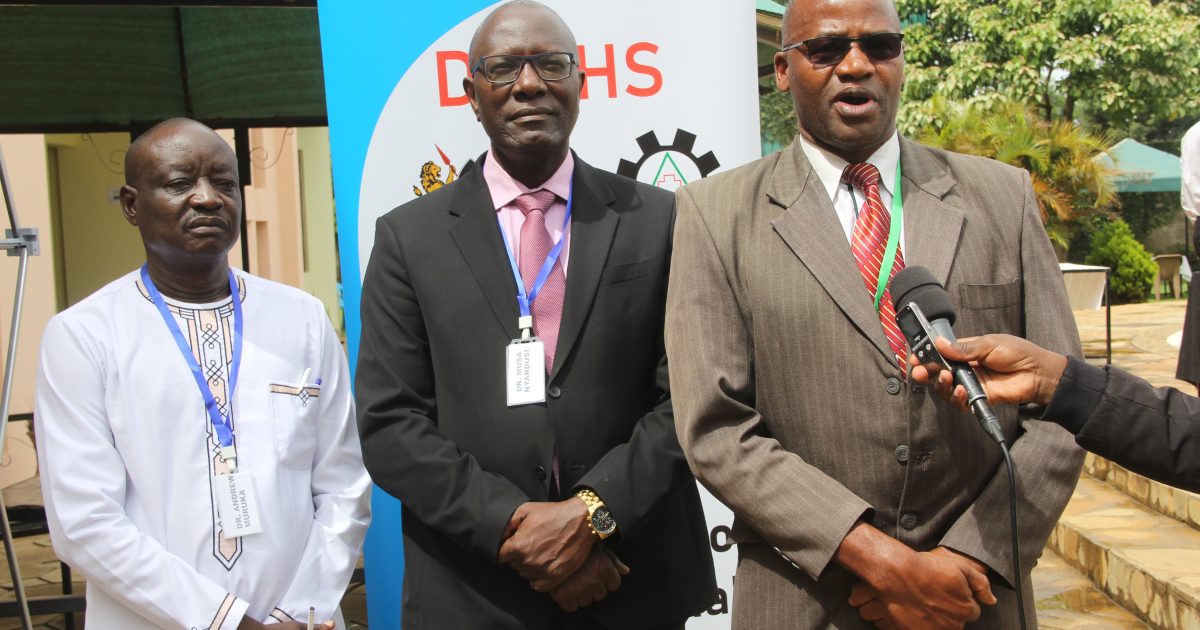
Speaking at the forum, the Secretary for Occupational Safety and Health at the Directorate of Occupational Safety and Health Services (DOSHS), Musa Nyandusi, said this year’s theme underscores the growing importance of addressing psychosocial risks in the workplace. He noted that while traditional hazards such as noise, machinery, and poor air quality remain significant, mental health challenges are increasingly influencing worker behavior and safety outcomes.
“Workers exposed to psychosocial risks are more likely to engage in unsafe work practices. It is therefore imperative that workplaces integrate psychosocial health into overall worker safety,” he said.
Nyandusi highlighted ongoing efforts by the directorate to improve occupational health standards across the country. These include workplace hygiene surveillance, occupational health camps, and targeted training programmes, particularly for workers in micro and small enterprises. He pointed out that although formal workplaces are relatively well regulated, the informal sector, which constitutes a large portion of Kenya’s workforce, continues to face significant safety and health challenges.
He also addressed the impact of rapid technological advancement on workplace safety, noting that Kenya’s growing adoption of digital innovations has positioned it as a regional technology hub.
However, he cautioned that these changes come with new risks, especially for workers operating on digital platforms who may lack adequate protections.
“As regulators, we must keep pace with technological advancements and ensure safety is built into design from the outset,” Nyandusi said, emphasizing that workplace safety is a shared responsibility among employers, employees, and policymakers.
Also speaking at the conference, DOSHS Director Andrew Muruka said emerging technologies are playing an increasingly important role in improving safety standards.
He cited the use of unmanned aerial devices in firefighting operations and the growing adoption of CCTV surveillance systems as examples of innovation enhancing workplace safety and response capabilities.
Muruka noted that modern approaches are gradually replacing traditional safety methods, resulting in improved efficiency and better protection for workers and the public. However, he acknowledged that gaps still exist, particularly in fire preparedness, where more training and equipment are needed.
“Every worker should know how to use a fire extinguisher. This is a continuous process of training and equipping both employees and employers,” he said.
Meanwhile, DOSHS Deputy Director Justus Nyakego outlined a series of activities held in the lead-up to the national World Safety Day celebrations. These include fire safety competitions, first aid challenges, and medical camps aimed at promoting workers’ health and preparedness.
Nyakego invited members of the public and stakeholders to attend the national World Day for Safety and Health at Work 2026 event, which will be held at Central Primary Grounds in Eldoret. He said the annual celebration brings together participants from government, industry, academia, and international organizations to reflect on progress and address emerging challenges in workplace safety.
The conference, which rotates across different regions in the country, continues to serve as an important platform for dialogue on occupational safety and health.
By Ekuwam Sylvester