Jaramogi Oginga Odinga Teaching and Referral Hospital (JOOTRH) has deployed five new dialysis machines to strengthen treatment for patients with kidney failure as cases of renal disease continue to rise in the region.
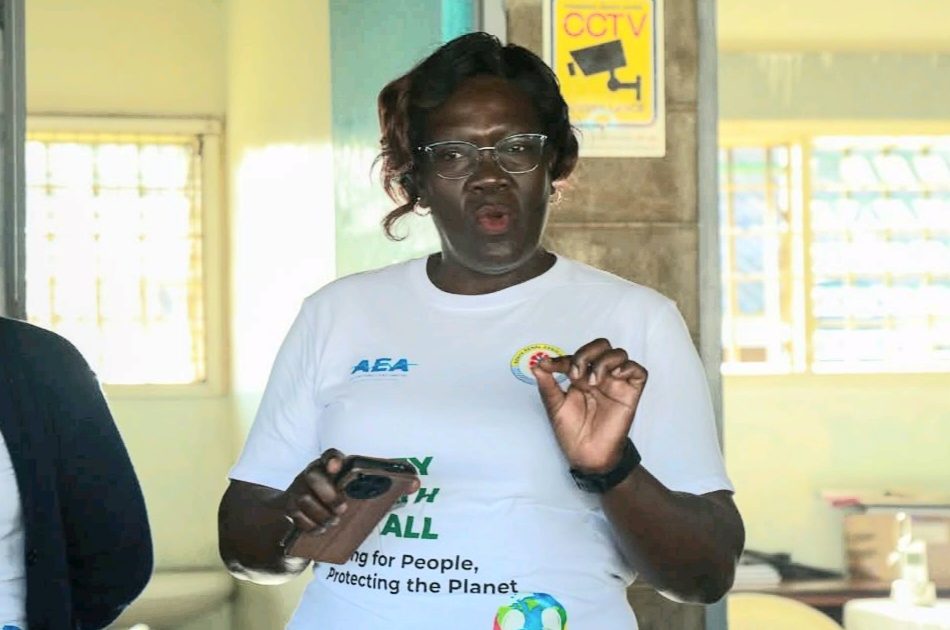
Renal Nurse Manager Grace Otom said the machines, which are capable of performing hemodiafiltration—an advanced form of dialysis that improves toxin removal and patient outcomes are part of the hospital’s efforts to expand access to specialised renal care.
She explained that the hospital currently operates 13 dialysis machines, but the number will rise to 18 by the end of March once the five additional machines are operationalised.
“Our long-term target is to have at least 20 dialysis machines, which is the minimum recommended capacity for a national referral hospital,” said Otom.
She noted that demand for dialysis services at the hospital remains high, with the renal unit currently managing about 75 patients undergoing dialysis treatment.
According to Otom, the unit performs approximately 500 dialysis sessions every month and continues to receive new cases regularly.
“On average, we receive between 20 and 25 new patients every month who require catheter insertion for dialysis. That translates to about two to five new patients every day,” she said.
To ensure specialised care, Otom said the hospital has dedicated one dialysis machine exclusively for patients who test positive for hepatitis B, while two machines have been reserved for children, including primary school-aged patients who require dialysis services.
Despite the growing patient load, she said the renal unit operates around the clock to ensure patients can access treatment at any time of the day or night.
In marking World Kidney Day, the hospital offered free kidney screening services to members of the public who walked into the facility, a move Otom said was aimed at promoting early detection of kidney disease.
During the exercise, dozens of people were screened, seen by clinicians and taken through health education sessions on lifestyle practices that can help prevent kidney disease.
Otom advised the public to undergo regular medical check-ups, monitor blood pressure and blood sugar levels, drink adequate water and avoid the misuse of over-the-counter medication that may damage the kidneys.
She warned that many kidney disease cases are linked to underlying conditions such as Hypertension and Diabetes, which remain the leading causes of kidney failure.
Kidney disease treatment, she said, remains expensive, explaining that one dialysis session costs approximately Sh10,600.
“This is why early screening and prevention are extremely important because treatment can be very costly once the disease progresses to advanced stages,” she said.
She added that patients undergoing dialysis at the facility are provided with nutritious meals, including high-protein diets, to help replace nutrients lost during kidney failure and support tissue repair.
Looking ahead, Otom said the hospital is working towards introducing kidney transplant services in the near future, a development expected to expand treatment options for patients with advanced kidney disease.
By Chris Mahandara