Human settlements, especially in urban centers and cities generate an estimated 2.3 billion tonnes of municipal solid waste every year, according to the United Nations Environmental Programme (UNEP) and it is projected to hit 3.8 billion tonnes by 2050.
This surge in waste is driving pollution, biodiversity loss, and fueling climate change on a planetary scale.
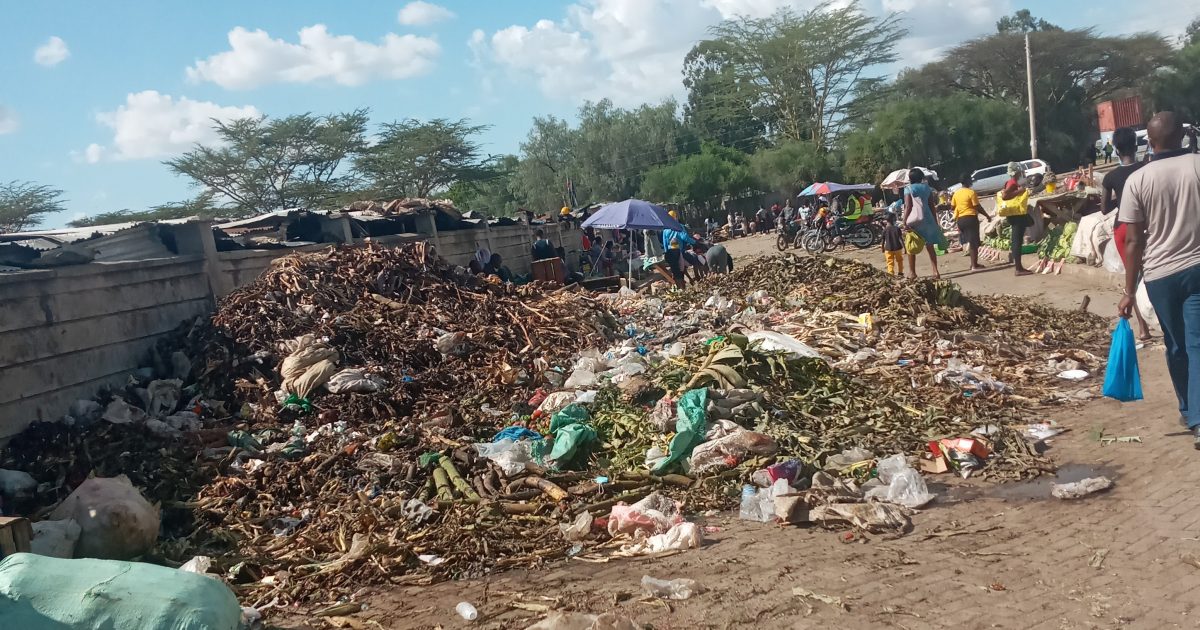
Despite Kenya’s ban on the use of plastic bags, like most other countries of the world it faces significant environmental pollution stemming from improper solid waste management. Urban areas like Kajiado, struggle with illegal dumping of waste and overflow of the designated dumpsites.
Over the past few years, Kajiado dumpsite has been a point of contention between the Kajiado Municipality and the residents, with complaints ranging from careless dumping of solid waste and the variety of health risks it poses to the surrounding community.
In a bid to improve solid waste management within its jurisdiction and curb environmental pollution, the Municipality of Kajiado organised a citizen forum with the neighbourhood Associations, landlords and the zonal representatives to sensitise them on the effective methods of solid waste management and their key roles in bringing the community on board.
Speaking at the forum, Municipality manager James Saruni ole Tono echoed the Municipality’s effort in solid waste management through laws established through the Kajiado Municipality Solid Waste Management Policy that enables them to improve waste collection, transportation, disposal and creation of awareness within the community.
“This policy aims to improve solid waste management in a holistic manner, conversing with every aspect of environmental conservation. We aim to begin at home where the waste generation starts right down to the material recovery facility in an intricate well-designed way that involves community engagement and participation,” says Saruni.
The Manager revealed that the Kajiado Dumpsite is currently undergoing rehabilitation to elevate it into a state-of-the-art material recovery facility through introduction of strategic waste placement in areas known as cells that are accessible through internal feeder roads to ease and manage incoming waste.
The placement of a razor wire fence around the facility to control and limit access to the secured area as well as capture windblown litter. A green buffer around the facility to absorb the fumes coming from the facility is a start to the proposed changes at the facility.
“This will be made possible through a 12 persons’ committee and subcommittee on solid waste management with representation from chiefs, zonal representatives and residents to ensure inclusivity,” says Saruni.
The Manager also revoked the use of the word dumpsite to refer to the material recovery facility.
“Terms build mentality and in this case the use of the word dumpsite refers to a final place for the solid waste we generate every day. Contrary, a material recovery facility allows for action towards environmental conservation measures such as recycling, reusing and decomposition of organic waste,” affirms Saruni.
The Director, National Environmental Management Authority (NEMA) Kajiado County, Mark Angwenyi advocated the use of colour coded waste bins as gazetted to ensure proper sorting of solid waste at the material recovery facility.
The green bins are for organic compostable waste, Blue bins are for recyclable waste and the black bins are for general waste. Angwenyi urged the landlords to provide for such solid waste sorting to encourage tenants to participate in appropriate disposal.
“Each of us present here today, is a representation of somebody out there. Therefore, it is our responsibility to inform them on these waste segregation methods. I urge each of us to be the eyes and ears on matters affecting our environment especially in our zonal placements,” emphasised Angwenyi.
Kajiado Central, Public Health Officer, Ruth Parsimei urged the zonal representatives, landlords and neighbourhood Associations to proactively encourage fencing of residential plots of land, citing unfenced plots as the major hot spots for careless disposal of solid waste.
“We need to fully activate zonal waste management leadership to ensure land plot owners fence their land through the cascading of sensitisation to the zones by the representations we have presented here today. That shows that only collaborative efforts within ourselves will guarantee us a win in this waste management struggle,” says Parsimei.
She echoed that material recovery facilities should only accommodate non-hazardous waste material to avoid leachate leaking to water sources and eventually foods, causing health complications. Parsimei urged the community to report any citing and evidence dumping of hazardous waste material at the facility.
Japheth Kiilu, a resident of Saina Estate, appealed to the Municipality to train and sensitise garbage collectors on proper waste disposal methods, adding that confusion and conflict often arise from inconsistent practices.
Kiilu also raised concern over the lack of clear guidelines for disposing of used diapers and sanitary towels, attributing the problem to the absence of licensed and accessible incinerators.
He called for community engagement and awareness campaigns, cautioning against the use of punitive fines without public education.
By Lauryn Nailantei