Residents within Kendu Bay town Ward in Karachuonyo Constituency are set to benefit from a newly completed Sh10 million water project, ending years of persistent water shortages in the area.
The national government implemented the new initiative through the Lake Basin Development Authority (LBDA) and the office of Homa Bay County Woman Representative Dr. Joyce Osogo.
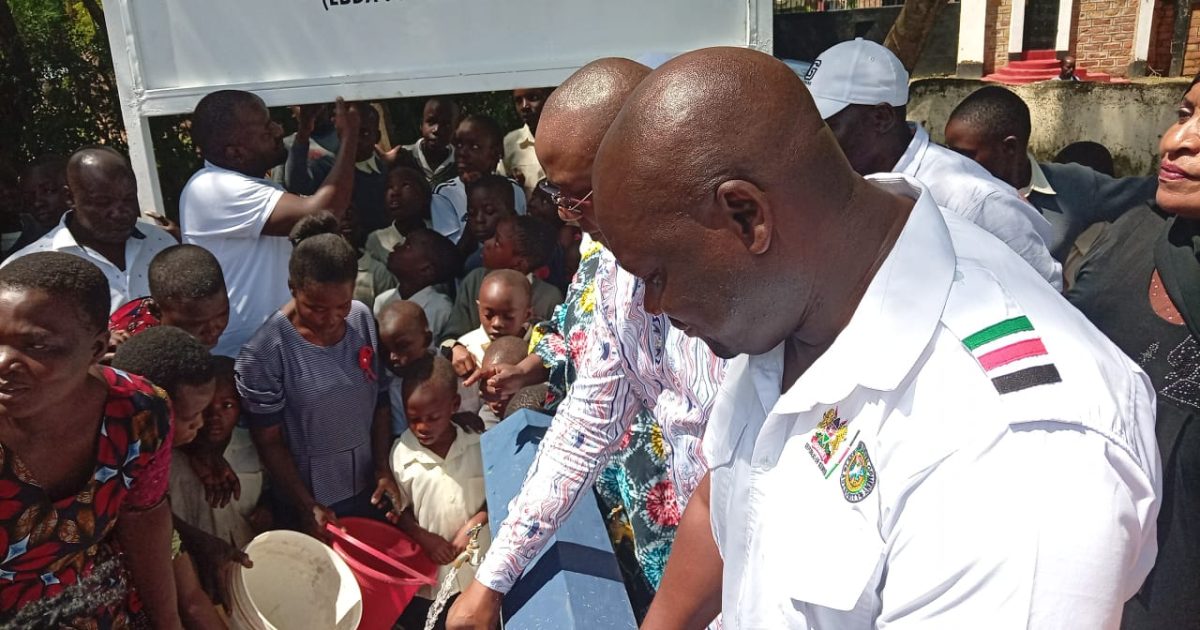
Dubbed Kanyadhiang Community Water Project, the solar-powered project is located at Kanyadhiang Comprehensive School in Kendu Bay town. It is expected to serve more than 4000 households and over 1000 learners, delivering more than 5000 litres per hour of water.
For a long time, locals have been forced to travel considerable distances in search of clean water, a situation that worsens during dry seasons.
The struggle consumed significant time, limiting residents’ ability to engage in income-generating activities.
The shortage also disrupted learning in nearby institutions, including George Agola Owuor Senior School and Kanyadhiang Comprehensive School, where access to water has been a longstanding challenge.
The facility was officially commissioned by Osogo, LBDA Director of Engineering Services Jacob Akuno, and Homa Bay County Executive Committee Member for Finance Solomon Obiero, before being handed over to the community.
According to Akuno, the system uses solar-powered pumps to ensure a steady and sustainable water supply.
He added that plans are underway to introduce reverse osmosis technology, which will purify the water and allow residents to bottle and sell it commercially.
“This project will serve many, and the use of solar energy guarantees consistent water supply,” he said.
Osogo however, noted that the project is part of broader efforts to address water scarcity and improve living standards in the region.
“The water project will serve over 1000 learners and more than 4000 households,” said the woman rep.
She expressed optimism that the initiative would not only meet domestic needs but also create economic opportunities through water-related enterprises.
Water access remains a key pillar in her development agenda, she added, pledging continued support for similar initiatives.
Obiero highlighted the project’s potential health benefits, stating that improved access to clean water would help reduce cases of waterborne diseases.
He also emphasized that the time previously spent searching for water could now be redirected toward productive activities.
By Sitna Omar