Kenyans have strongly been encouraged to adopt regular screening practices to combat the increasing prevalence of breast cancer, which is a leading cause of death in Kenya.
According to Dr Caroline Ngugi, Director of Training, Research and Innovation at Kenyatta University Teaching Referral & Research Hospital (KUTRRH), early diagnosis and screening are vital to cutting down on breast cancer deaths.
She noted that many patients are presenting with advanced-stage disease, which makes treatment significantly more complex.
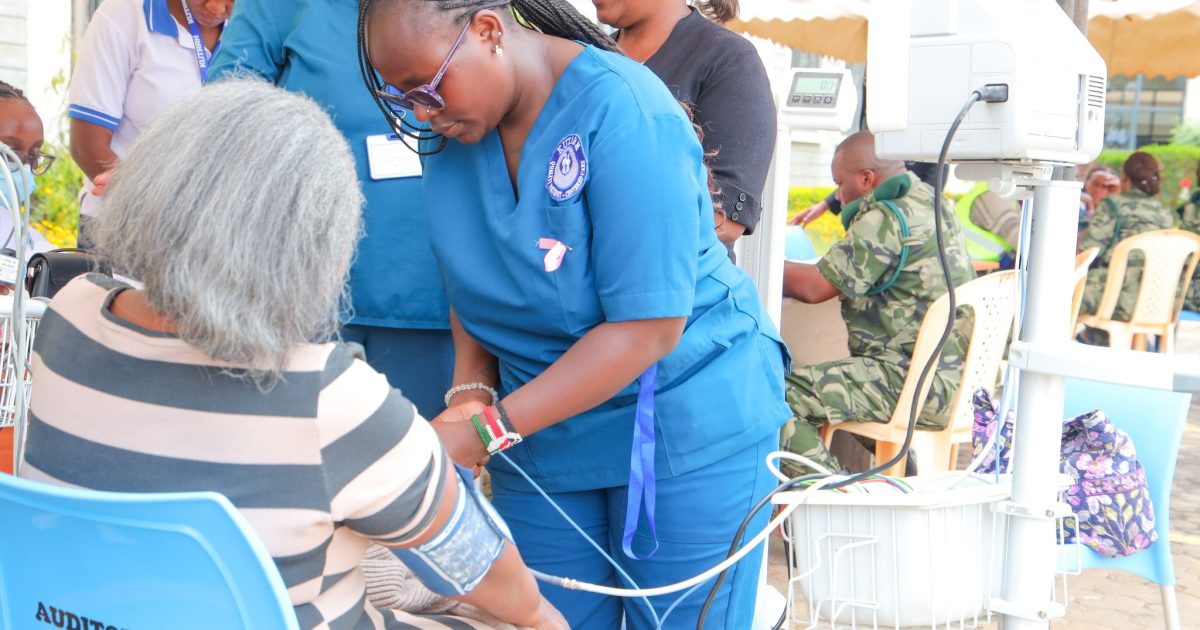
Dr. Ngugi made the remarks while flagging off a colorful breast cancer awareness walk on Friday which started at the hospital grounds where a free medical camp is underway.
She called on Kenyans to turn out in large numbers to utilize the free screening services that could potentially save many lives.
“Breast cancer is the most prevalent cancer in the country and early screening is a key cornerstone in the fight against it. Kenya experiences about 7,000 new cases yearly and unfortunately almost 50 percent of patients succumb due to diagnosis occurring too late. These are very worrying statistics.”
“As part of the ongoing efforts to combat the disease, our facility is offering free breast and cervical cancer screening services throughout the entire duration of the awareness period,” she explained.
Creating a visible presence, the awareness walk proceeded from the hospital to the Kahawa West Roundabout, and back, specifically championing the critical need for timely screening and early detection of breast cancer.
The key steps, according to Dr. Ngugi, are: self-breast exams at home with prompt follow-up for any lumps detected.
Although mammography is the most effective early detection tool and widely available, it’s generally not recommended for women under 40 because dense breast tissue can yield false results. For this younger demographic, other clinical and imaging examinations are available.
While acknowledging uncontrollable risk factors like age, gender, and family history, she stressed the importance of lifestyle adjustments to reduce cancer risk, pointing out that habits like excessive alcohol intake and smoking are major contributors to the disease.
She urged people to watch their eating habits, stay physically active, and maintain healthy lifestyles.
In addition, Dr. Ngugi also highlighted Kenya’s significant strides in cancer care, noting that major facilities now provide a full spectrum of treatments: chemotherapy, surgery, hormonal therapy, targeted therapy, and radiotherapy.
She emphasized that while Breast cancer is curable when detected early, the main obstacle remains late presentation, which complicates treatment and escalates costs.
To combat this, she confirmed that KUTRRH will continue conducting mobile screening clinics and community outreach programs across the county to enhance both early detection and prevention efforts.
By Hellen Lunalo