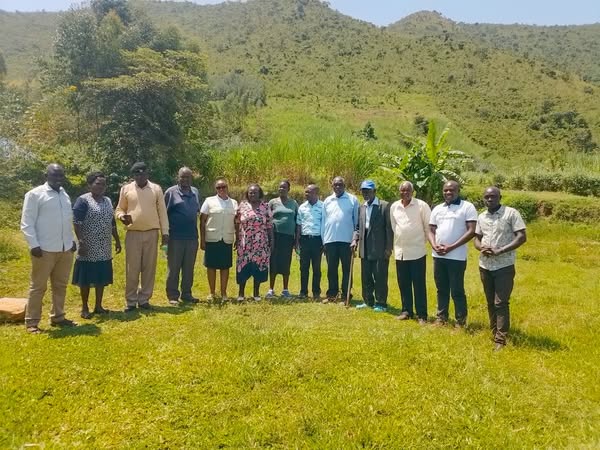
Elders from Kisumu and Nandi counties have initiated renewed efforts to ensure peace prevails as well as strengthen solidarity along the historically volatile Muhoroni–Tinderet border.
The area, which has long been marked by cattle rustling and frequent clashes between the Luo and Kalenjin communities, has enjoyed relative calm in recent years, thanks to peace-building initiatives led by the National Cohesion and Integration Commission (NCIC), the police, and faith-based organisations.
In a major milestone for peace efforts, the Free Pentecostal Fellowship in Kenya (FPFK), in collaboration with Anglican Development Services (ADS), North Rift, hosted an inter-community dialogue that brought together elders from both communities.
The meeting, held under the FPFK Muhoroni Peace Resilience Project, focused on promoting co-existence, conflict resolution, and lasting reconciliation among communities living along the borderline.
Elders at the forum resolved to break cycles of conflict and cattle rustling, committing instead to nurturing harmony across the border.
According to ADS North Rift official Edna Maritim, involving elders in peace-building is crucial, as they remain custodians of community traditions and trusted mediators in times of tension.
“They now have the capacity to intervene quickly at the grassroots level. If they detect young people preparing for cattle theft or brewing conflict, they can summon them, caution them, and escalate to relevant authorities if necessary,” Maritim told the Kenya News Agency.
The FPFK Field Officer, Malachi Okumu, emphasised that the project goes beyond conflict management to include economic empowerment for affected communities.
“We have successfully engaged and reformed former cattle rustlers, guiding them toward income-generating activities to build sustainable livelihoods,” he said.
As part of their resolutions, the elders pledged to establish joint ventures across the border, such as growing sugarcane, dairy, and poultry farming, which will be co-owned by both communities.
The initiative is expected to discourage property destruction, strengthen social ties, and create employment for youth.
They also agreed to promote open trade in local border markets, including Kopere, Chemase, Kibigori, and Koru, viewing commerce as a tool for trust-building.
“When people can trade across the border and trust each other with goods and money, mistrust fades. No one will want to destroy something that puts bread on the table,” Okumu noted.
By Robert Ojwang’