Kwale has escalated drought response measures after the county was classified in the alarm phase, with at least 190,000 residents placed under the food insecurity bracket.
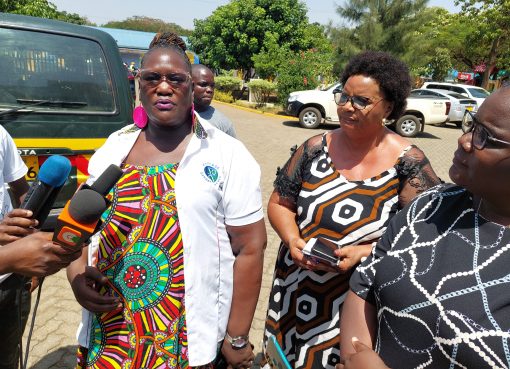
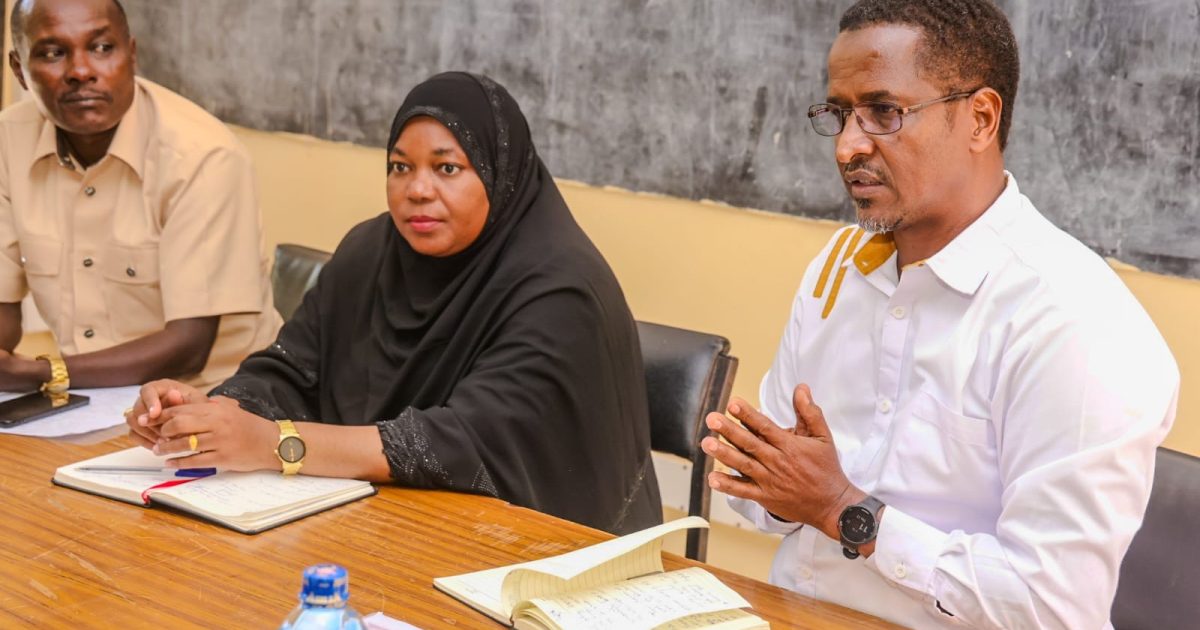
Speaking at the offices of the National Drought Management Authority (NDMA) in Kwale, Governor Fatuma Achani, County Commissioner David Rotich, NDMA CEO Aden Hared, and partners including Plan International, Kenya Red Cross Society and World Vision addressed the worsening drought situation following a comprehensive meeting on mitigation measures.
Governor Achani said the national government has allocated Sh4.1 billion towards drought response, with a significant portion earmarked for food assistance to vulnerable communities in arid and semi-arid areas, including Kwale County.
Currently, about 179,000 people in Kwale require food assistance, mainly in Kinango, Lunga Lunga, Samburu, Matuga and Msambweni sub-counties.
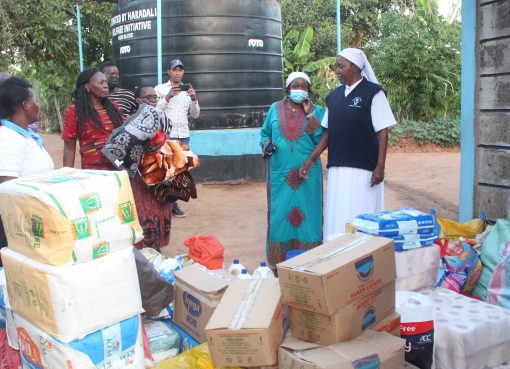
Food assistance is already underway, with the national government having delivered over 2,600 bags of maize, 3,600 bags of rice and more than 4,000 bags of beans. Distribution is coordinated through sub-county relief committees and location and sub-location committees and implemented by chiefs under the supervision of deputy county commissioners. Administrative officers are conducting field monitoring to ensure the most vulnerable households benefit and to prevent favoritism.
Partner support includes the Kenya Red Cross Society providing food assistance, Plan International supporting about 400 households with Sh10,000 each, while World Vision is assisting 318 learners with school fees alongside food support. The national government is also providing livestock feed to cushion pastoral communities.
To address water shortages, funds have been allocated for repair and maintenance of strategic boreholes and provision of fuel to operate them. Water bowsers have been mobilised by the county government, with additional support from Coast Water Services Board, to supply water to water-scarce areas and key institutions such as schools and health facilities. NDMA has activated fast-tracked processes to ensure rapid delivery of interventions.
According to the latest food security and nutrition assessment, over 20 percent of the county’s population is in the crisis phase following poor rainfall seasons that have worsened water scarcity and livelihoods.
“We are scaling up food assistance, water interventions and support to schools and health facilities to ensure no family is left behind. Our priority is to reach the most vulnerable quickly and transparently,” said Governor Achani.
County Commissioner (CC) David Rotich said national and county governments were strengthening last-mile delivery and accountability.
“We have agreed to harmonise all partner interventions to avoid duplication and improve targeting so that assistance reaches those who need it most. Our officers will be on the ground to monitor distribution and ensure fairness and accountability,” he said.
NDMA CEO Hared said the national government had fast-tracked drought response support for Kwale, alongside long-term resilience investments.
“Kwale is among the counties under the drought alarm phase, and we have activated rapid response measures, including food assistance, water trucking and rehabilitation of strategic boreholes,” he said. “At the same time, we are investing in water infrastructure to reduce reliance on emergency responses and build community resilience.”
County Executive Committee Member (CECM) for Agriculture, Livestock and Fisheries Roman Sherah said the county was aligning sectoral interventions to protect livelihoods and food production through livestock support and improved water access.
NDMA CEO Hared said rapid response measures, including food assistance, water trucking and borehole rehabilitation, had been activated alongside long-term resilience investments.
The leaders also flagged heightened wildfire risks and human–wildlife conflict due to dry conditions. Communities were urged to exercise caution when using fire for land preparation and to report wildlife incidents promptly.
County Steering Groups were directed to cascade agreed actions to sub-county and ward levels to accelerate implementation and monitoring.
As part of long-term resilience building, the county plans to promote camel rearing in Kinango and Samburu to strengthen livelihoods. Kwale will also benefit from the Hunger Safety Net Programme in the coming months as part of an expanded rollout to additional counties, including Kilifi County, beginning with a pilot phase involving community engagement and beneficiary targeting.
Leaders reaffirmed that no citizen will be allowed to die of hunger and that education will be protected in line with the government policy of 100 percent transition and 100 percent attendance.
Overall, Kwale County is considered well-prepared to respond to drought impacts, with strong coordination between national and county governments and partners to manage food insecurity, water shortages, wildfire risks and human–wildlife conflict while investing in long-term resilience.
By Chari Suche