A land dispute in Homa Bay County has escalated into a security concern after a local leader alleged an unlawful takeover of his ancestral property by close relatives in Gem East location, Rangwe sub-county.
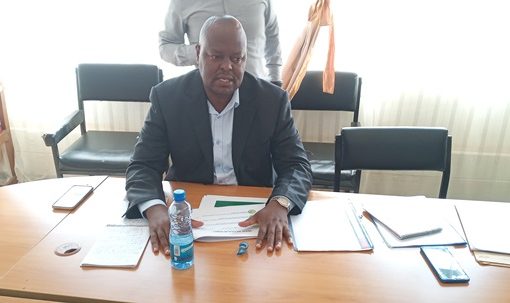
Speaker of Bunge la Wenyenchi, Homa bay County, Walter Opiyo claimed that his cousins, whom he described as non-beneficiaries, interfered with a legally concluded succession process and proceeded to subdivide the land irregularly.
According to Opiyo, the subdivision was conducted without adherence to legal requirements, including the absence of a government surveyor and lack of official authorization.
“They did the subdivision unlawfully. This has brought a lot of confusion because due process was not followed,” he said.
The dispute is said to have taken a controversial turn early February when Opiyo was summoned before an informal clan tribunal, commonly known as Kangaroo court.
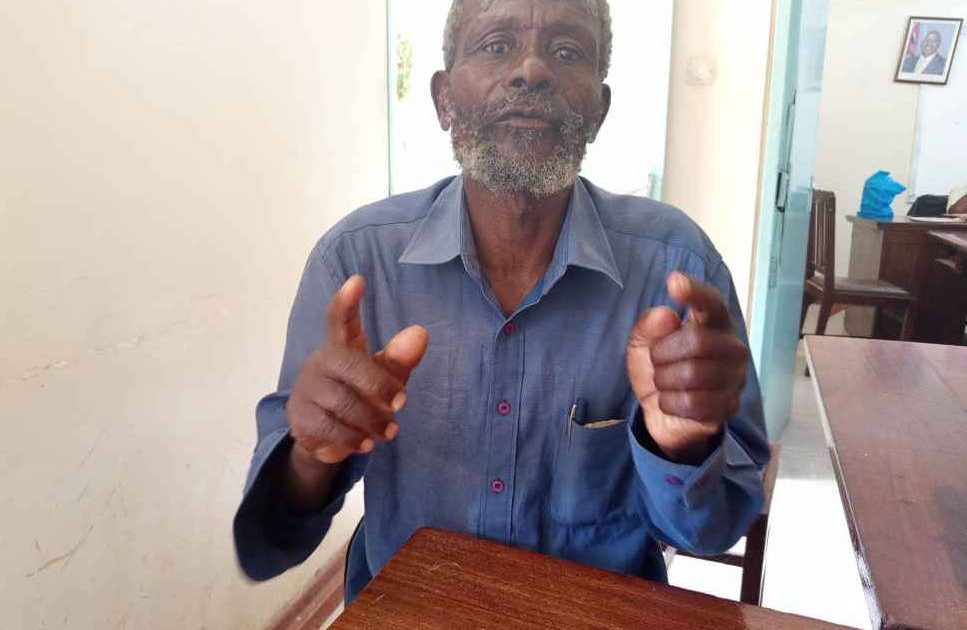
The meeting, presided over by Kiruo village clan elder Philip Ajuoga, who ruled in favor of the cousins and directed Opiyo to stop cultivating a portion of the said land.
Despite disagreeing with the decision, Opiyo said he complied.
Opiyo further claimed that in the same month, his cousins forcefully entered his land at night and ploughed it without his consent.
He however alleged that Ajuoga supervised the whole tilling of the land, raising questions about the legitimacy of the process.
However, tensions escalated later when he allegedly received a couple of threats of physical harm if he failed to relinquish the land.
“I met with the clan elder at the Rangwe market where he greeted me, but I did not reply. Then he told me that even if I do not respond, they have already achieved their goal and if I utter a single word then I shall not live anymore,” Opiyo recounted.
The incident has heightened fears over his safety and brought the dispute into the realm of public concern.
He reported the matter at Rangwe Police Station, where an official record was filed and he was issued with an OB number.
Opiyo also wrote to the County Land Registrar seeking intervention, describing the subdivision of his ancestral land as an “unprocedural land transaction.”
He noted that disputes over ancestral land remains common in the region, often fueled by failure to follow legal procedures.
“Many people fail to adhere to the law when dealing with land matters, and this creates unnecessary conflict,” he said.
He has called on residents to follow established legal frameworks governing land ownership and succession, while urging local leaders and administrators to uphold the rule of law in resolving such disputes.
By Sitna Omar