Tea Directors from Embu County have expressed opposition to the government directive on scientific tea analysis instead of the traditional mouth-tasting.
The Ministry of Agriculture in October directed Kenya Tea Development Agency (KTDA) to replace mouth-tasting with scientific lab analysis in a bid to alleviate complaints from farmers over what they termed as biased and inconsistent manual testing.
The move was sparked by complaints from farmers especially in Rift Valley Region who argued that their tea has been earning lower bonuses as a result of unfair grading of sensory analysis.
The move has however sparked conflict as some factories especially in Mt Kenya Region has opposed the new directive of, arguing that biological testing was itself scientific.
Rukuriri Tea Factory Chair Joseph Rwanjau said no method can replace the biological mouth-tasting as those who do it are well trained and spot on in terms of grading.
He said the argument that some farmers were getting reduced bonuses over unfair grading was unconvincing since those who do the tasting are mainly the buyers themselves or their representatives.
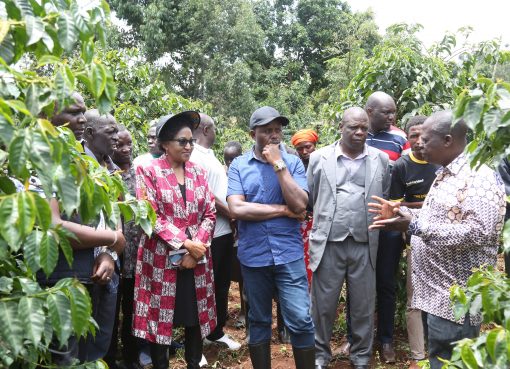
Speaking during a farmers meeting at the factory on Friday, Rwanjau said there was no way buyers could discriminate against some farmers whereas their interest was to get the best grades of tea.
“This is the method that has been used since time immemorial and we see no problem with it since the main focus of a buyer is to get the best quality of tea he/she can get,” he said.
Additionally, the Chairman said it is the same method that is widely used not only in tea but other products such as coffee and wine and there has been no outcry.
He claimed the push by some farmers opposed to the traditional method was politically motivated to destabilise the industry by creating a dispute over a globally accepted standard of grading products, especially food and beverages.
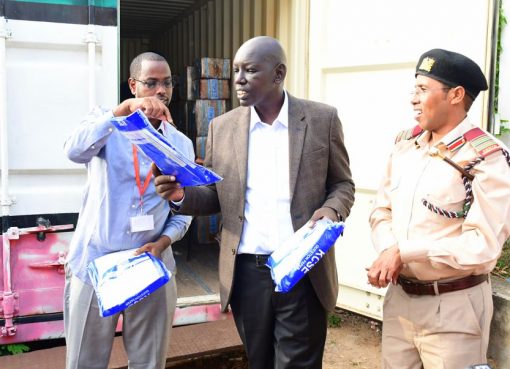
At the same time, Rwanjau said they have procured a tea bag packaging machine at a cost of Sh10 million which will be arriving in a months’ time.
He said with the new machine, they expect to secure more markets for their products by capturing the segment of consumers who prefer tea bags over loose leaf.
“We project to increase our factories incomes and farmers’ earnings through value addition of our teas,” he said.
By Samuel Waititu