Turkana County Executive for Trade, Gender, Youth Affairs, and Tourism, Roseline Aite, has stated that the blue economy sector has yet to be fully harnessed and that training would accelerate the entry of youth and women into the industry.
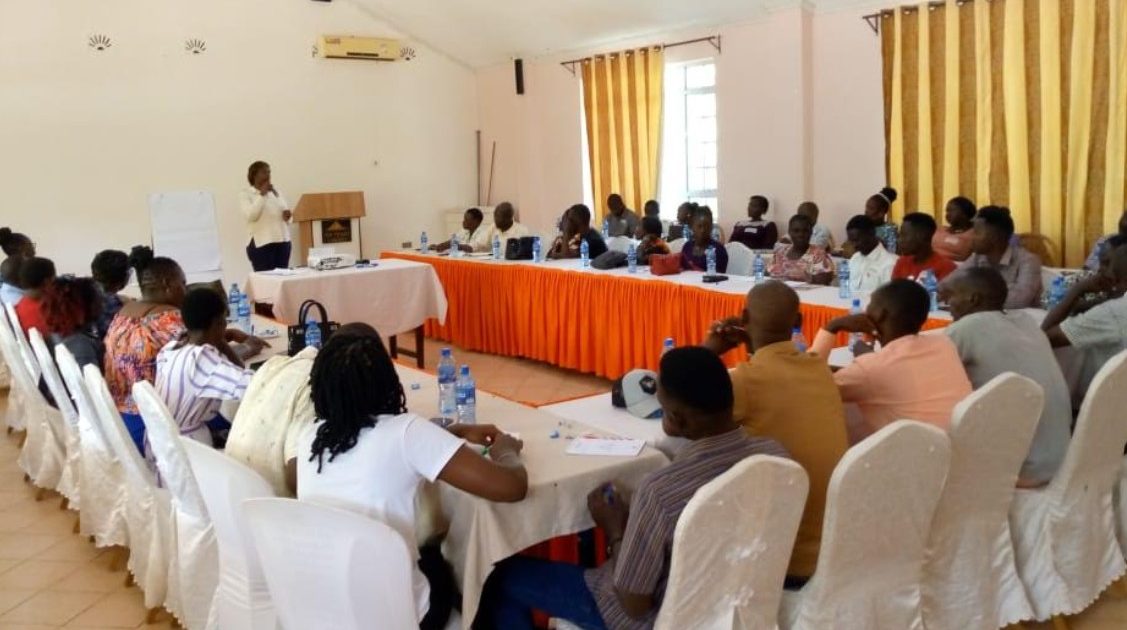
She was speaking during a three-day training on business growth and market access opportunities for fish products from Lake Turkana.
Coming at a time when the county is planning to put up a fish processing industry in Kalokol, the training is expected to create a critical mass of qualified persons to utilise the upcoming industrial infrastructure.
The training, led by TradeMark Africa and other partners through the support of the Mastercard Foundation, focused on fish trade policies, export standards requirements, market access and diversification, value addition and financial solutions, targeting individuals and groups in the blue economy sector.
She added that the County was committed to encouraging uptake of opportunities in the blue economy sector and urged the trainees to diversify and venture into aquaculture.
“This programme is equally being implemented in five other countries, thus opening up market opportunities for fish products from Turkana to Zambia, Uganda, Tanzania, DRC and Nigeria. As a county, we highly encourage youth and women-led groups to take up fishing as a means of livelihood,” said CECM Aite.
The team lead of the trainers, Maureen Wanyonyi of TradeMark Africa, emphasised the uptake of digital solutions such as virtual markets as a means of growing the sector in Turkana.
Wanyonyi called for the embrace of fishing as a platform for wealth creation and enterprise development capable of benefiting up to 242,000 youth and women.
Traditionally, trade in the fish sector has locked out women and youth-led groups, denying them job opportunities.
Other implementing partners included Lattice Aquaculture Limited, the Association of Women in Fisheries Blue Economy Kenya (AWFBEK), Economy Microsave Global Consulting Limited, Kilimotrust, and the African Women Fish Processors and Traders Network (AWFishNet).
Suzzane Njeri of AFWBEK said that the trainees had learnt mapping of fish value chain locations, understanding and overcoming barriers to uptake of the blue economy, and working within the approved policy and regulatory frameworks.
Turkana Chapter Kenya National Chambers of Commerce and Industry (KNCCI) representative Mike Nakuwa described the training as timely, as it provided skills to grow a fisheries industry.
By Peter Gitonga