Youth in Busia County have been urged to exercise ethical and responsible use of artificial intelligence (AI), as the country approaches the next General Election.
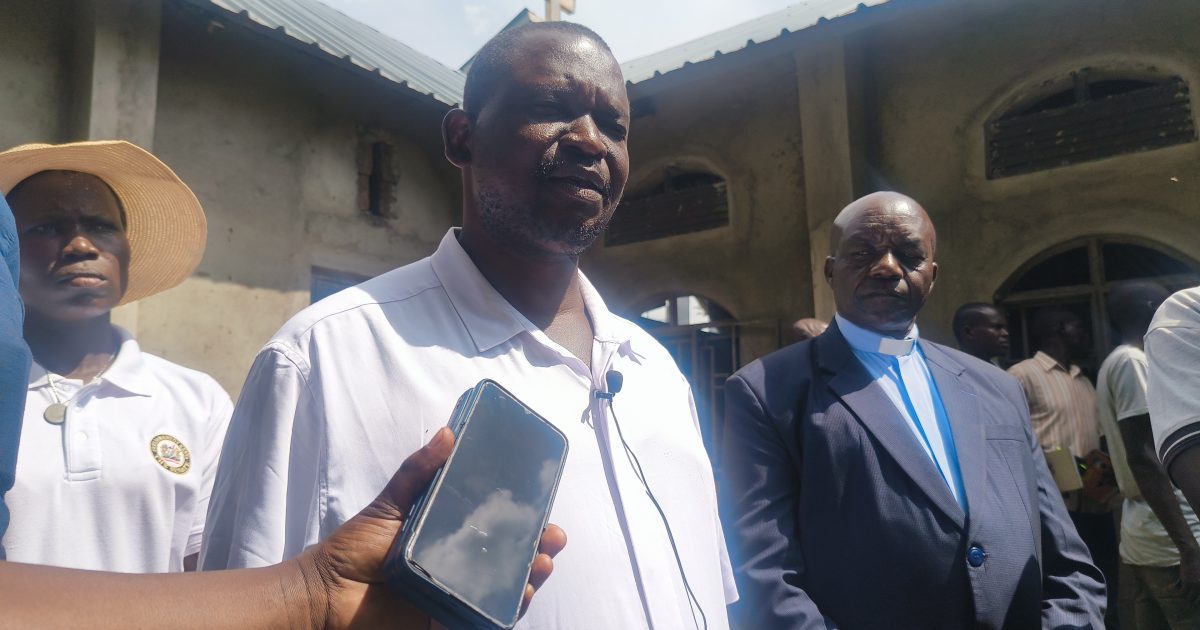
Speaking during a Youth Leadership Summit at Kamuriai ACK church Teso North, the Digital Access Programme Lead at the British High Commission Charles Juma cautioned young people against misuse of AI tools to spread misinformation, disinformation and malformation.
“Some individuals may attempt to use AI to mislead or manipulate the public. Young people must choose to use technology responsibly,” he said.
He challenged them to instead take advantage of opportunities presented by AI to improve their lives.
He also emphasized the importance of cyber hygiene, urging youth to safeguard their digital platforms from hackers and online fraud.
Juma was speaking as the British High Commission in partnership with Busia county continues to drive digital Access programme to vulnerable groups expanding digital opportunities.
The initiative targets vulnerable women, youth and persons with Disabilities helping them transition from basic digital literacy to advanced, market-ready skills.
The skills will enable them to build digital businesses, create online content, offer technical services like repair of phones, laptops, and apply digital tools in modern and precision agriculture.
The British High Commission is implementing the program in collaboration with Kilimo Hakika and the UK-based Otermans Institute (OI).
The programme uses a blended learning approach, with 70 per cent of content delivered through AI-powered platforms and 30 per cent through human trainers.
According to Juma, the flexible model allows learners to access content at their convenience, without need of internet and are able to repeat lessons as many times as possible to understand better.
He noted that the approach has significantly improved completion rates, increasing from below 30 per cent under traditional learning models in previous training to over 90 per cent among the currently enrolled trainees.
“In phase one of the program, we had less than 30 per cent students completing the training but currently with the blended model we are already seeing that over 90 per cent of students who start classes are actually completing,” he explained.
By Moses Wekesa