Youths in West Pokot County have identified limited access to Sexual and Reproductive Health (SRH) information and inadequate funding for youth-focused programmes as critical obstacles in the war against teenage pregnancies, early and forced marriages, as well as female Genital Mutilation (FGM).
According to the 2022 Kenya Demographic and Health Survey, West Pokot ranks second nationally with the highest rate of teenage pregnancies at 36% and an FGM prevalence of 44%.
According to the youth, lack of SRH education has contributed to school dropouts, unsafe abortions, and poor health outcomes among adolescents.
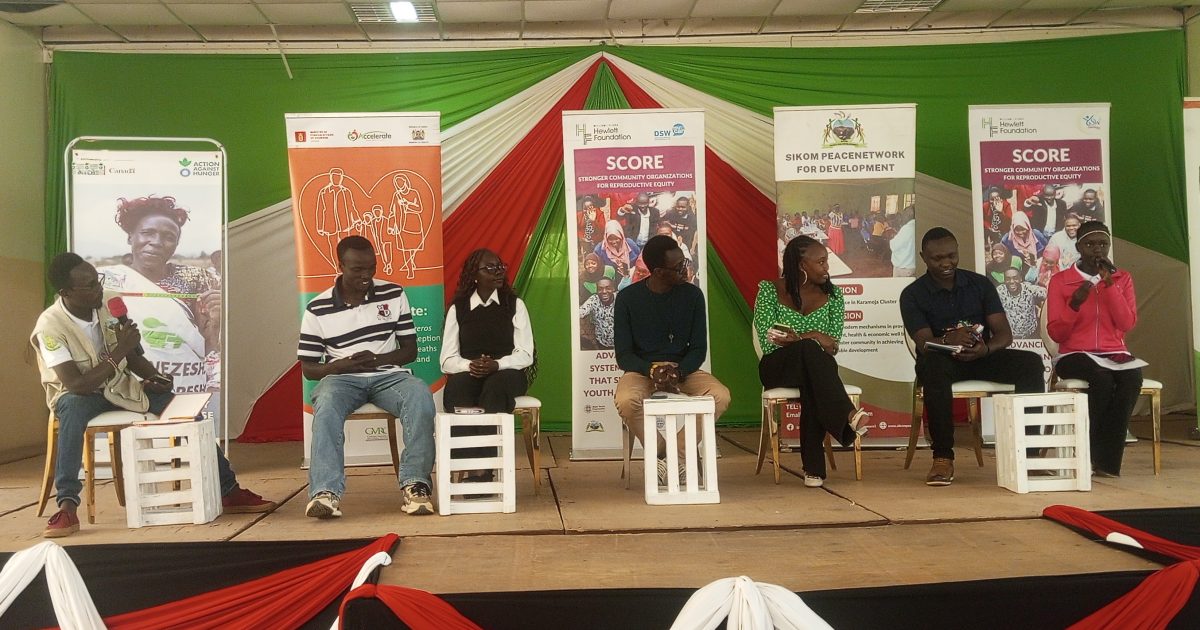
The youths who spoke during the Annual adolescent and youth sexual reproductive health symposium in Kapenguria town called for increased investment in youth-friendly health services, training healthcare workers in adolescent care, and a dedicated budget for Adolescent Sexual and Reproductive Health and Rights (ASRHP).
Youth advocates emphasised the importance of empowering youth through empowerment centers, grassroots sensitisation, and including youth voices in decision-making processes.
County officials acknowledged the issues, noting that FGM is linked to early marriages and that teenage pregnancy rates have risen from 26% in 2014 to 36% in 2022, despite reductions in FGM cases.
Marcelina Cherubia, a youth advocate and founder of VYBE (Voices of Youth for Better Engagement) Africa, emphasised the importance of inclusion and engagement of youth in leadership and decision-making processes.
“The County and national governments need to bring adults into youth spaces,” She stated.
She went on: “There is a need to equip youths and interact with them.”
Another Youth Advocate, Farex Nandwa from VYBE Africa, emphasised the importance of establishing empowerment centers to keep youth engaged and steer them away from harmful practices.
He also noted that youths are actively involved in sensitising their peers against vices and encouraging participation in decision-making and public affairs.
Nadwa added they normally go to the grassroots to talk to youths in remote areas because not every youth can access social media.
Winnie Cheptoo from the Sikom Peace Network for Development emphasised that the programme aims to improve youths’ lives and reproductive health, highlighting that many youths lack information and sometimes make uninformed decisions.
She shared that while sensitisation was previously conducted virtually, they are now engaging directly in communities, including through radio talk shows.
Cheptoo called for increased funding for youth health programmes, noting that “adolescents don’t make their own informed choices as leaders and elders decide for them.”
She explained their organisation’s efforts include advocating for reproductive health, providing sexuality and family planning education, and involving adolescents via radio talk shows and online platforms for dialogue and advocacy.
She also pointed out that past approaches to combat harmful practices in areas like West Pokot have been weak, leading to an increase in vices.
She attributed the economic hardships, which cause pregnant adolescents to face social stigma, drop out of school, and face reduced employment opportunities, to long-term economic impacts.
Focusing on adolescent well-being, she stressed the need to boost investment in family planning services to improve access and utilisation, especially among marginalized groups like adolescents and women of reproductive age.
Joseph Tonyirwo, County Director of sports, youth’s affairs and social services in West Pokot, stated that the County Government is engaging closely with youths by supporting sports initiatives and establishing empowerment centers in Chepareria and Makutano towns.
He emphasised, “We have been giving priority to youth issues,” highlighting the government’s focus on youth development and involvement.
Consolata Siree, the reproductive health officer in West Pokot County, called on stakeholders and media to work together in raising awareness about the impact of early pregnancies, especially in rural areas.
She noted that premature pregnancies among students often result in severe psychological effects, leading many girls to drop out of school.
“Early pregnancies have nothing to do with education. Many young girls suffer emotionally and end up abandoning their studies,” Siree said.
She emphasised the need for youth to be educated on reproductive health and rights, urging communities to support youth access to health services as a collective responsibility.
Emmanuel Oigo, the County Gender Officer, linked Female Genital Mutilation (FGM) to early marriage and noted that teenage pregnancy rates increased from 26% in 2014 to 36% in 2022 despite a reduction in FGM cases.
He also said many girls are still getting pregnant and dropping out of school despite FGM cases dropping from 72% to 44%.
Michael Odunga, from the State Department of Youth, highlighted ongoing efforts such as devolved youth funds, sports programmes, and the Nyota Programme, which offers grants and training for youth aged 18-29.
By Anthony Melly