Lewa Wildlife Conservancy has launched a week-long management training programme for Board of Management (BOM) members from 28 partner schools in Buuri, Isiolo and Laikipia counties to improve education standards and academic performance in the institutions.
The training, which has brought together about 300 education stakeholders, focuses on strengthening school leadership, governance, accountability and effective resource management to enhance learning outcomes in the schools.
Among the key areas being covered are effective and result-oriented leadership, roles and responsibilities of school boards, financial oversight, conflict management, improvement of teaching standards, student discipline, infrastructure development and promotion of positive school culture.
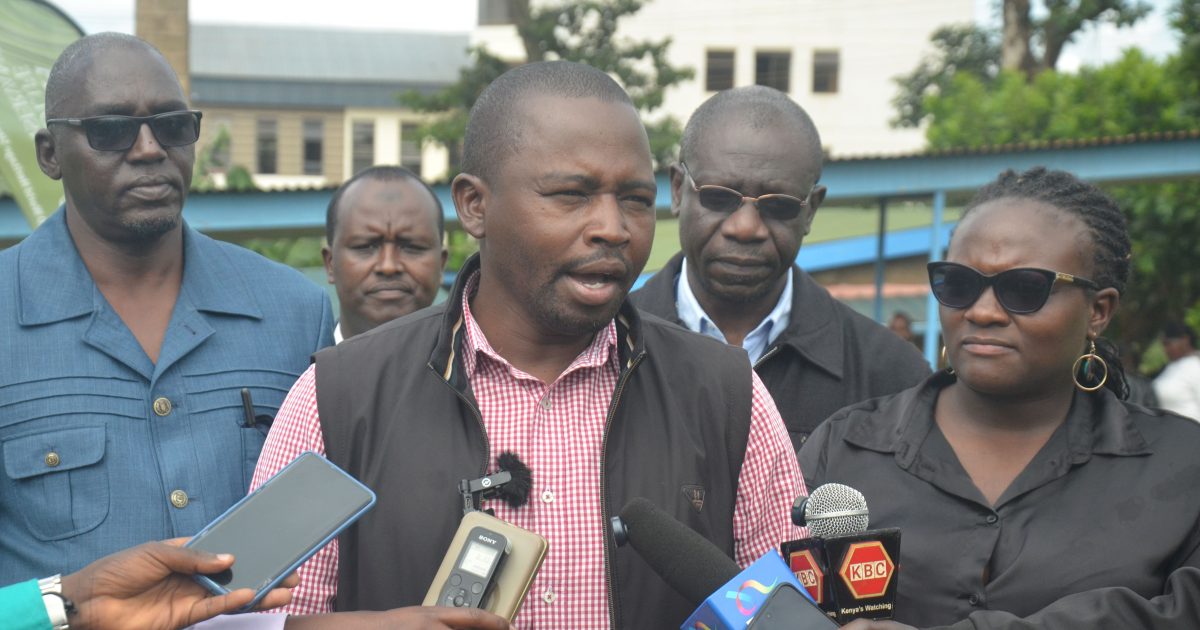
Speaking on the sidelines of the workshop, the conservancy’s Chief Programmes and Partnerships Officer John Kinoti said the organisation views education as a critical pillar in community development and conservation efforts.
“Conservation goes hand in hand with education and this is the reason we want to have an educated community around us. We have gathered about 300 stakeholders here with our main focus being management of our education sector,” said Mr Kinoti.
He said the training targets schools within the conservancy’s operational areas and aims at equipping school leaders and BOM members with practical skills to improve governance, accountability and school performance.
According to the conservancy’s Head of Education Department Purity Kinoti, principals and deputy principals from the 28 schools had also undergone separate leadership training to help them develop strategies for improving academic results.
Ms Kinoti said the initiative was informed by poor performance in many day secondary schools despite support through infrastructure and other educational resources.
“We came together to find ways of managing the resources we have, motivating teachers and ensuring parents play their roles effectively in improving education standards,” said Ms Kinoti.
She added that research conducted by the conservancy two years ago showed that 44 per cent of the neighbouring population was below 18 years, underscoring the need to prioritise education to prevent future social challenges.
“As a conservancy we have put education on the frontline to ensure the 44 per cent grow into people who can contribute to national development and uphold conservation. If we don’t take care of them, they may turn to poaching, a vice that we are fighting against,” said Ms Kinoti.
Buuri Sub county Director of Education Jackson Nguyo lauded the conservancy for supporting capacity building among school leaders, saying the education department would continue working closely with the organisation to improve learning outcomes.
Teachers Service Commission representative Julius Kangwana urged stakeholders to reflect on their roles and apply the skills gained from the training to transform school performance.
School heads and board members who attended the workshop said they were ready to implement the lessons learnt to improve academic standards and effective utilisation of resources in their institutions.
Mohammed Adan from Munanda School said schools would work towards translating the support received from the conservancy into better academic performance, while BOM members Morris Mutwiri and Lydiah Wanja said the training had strengthened their understanding of governance, strategic planning and resource management.
by Dickson Mwiti