Efforts to unlock the potential of Kenya’s creative economy gained momentum as artists, publishers, and corporate stakeholders convened for a dialogue aimed at addressing systemic challenges in the sector.
The forum, held at Mlango Farm in Kiambu County, brought together writers, visual artists, and musicians in a collaborative initiative supported by Kenya Pipeline Company (KPC) and its foundation.
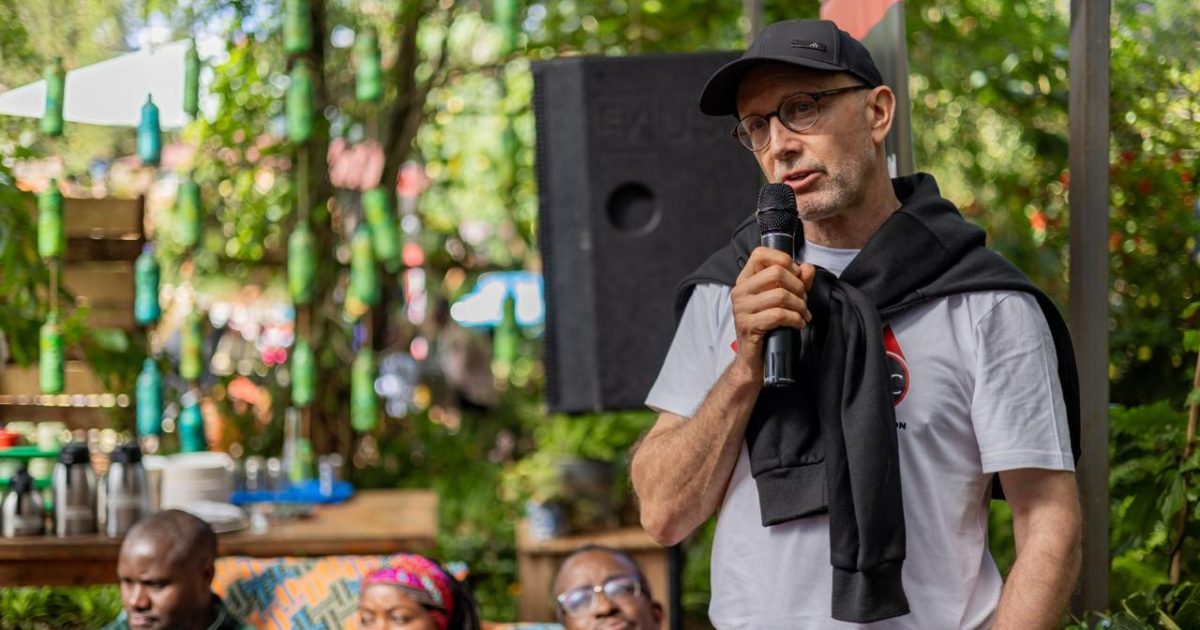
Speaking during the session, eKitabu Chief Executive Officer (CEO) and co-founder Will Clurman underscored the importance of understanding artists lived experiences in shaping sustainable solutions.
“We’re here with artists, young and old, listening to the problems they face in their creative and commercial journeys. If we understand these challenges deeply, we can develop strategies that open opportunities for both artistic and cultural growth in Kenya,” he established.
Clurman noted that eKitabu, through its Mvua Press imprint, has spent the last two years publishing Kenyan literature and working closely with local authors.
Further, he emphasized that the creative journey often remains isolating, hence the need to build stronger communities within the sector.
“The artist’s journey can be lonely. That’s why building community and shared purpose is essential in helping creatives grow and succeed,” emphasized the CEO.
Clurman outlined three core goals guiding their publishing work, ensuring author success, delivering quality books to the market, and increasing sales through affordability and accessibility.
“We want more readers and more affordable books. If we get quality books into people’s hands at the right price, the rest becomes about connecting with readers,” he assured.
Clurman also highlighted the importance of balancing digital and print publishing.
While eKitabu began as a digital first platform, he noted that physical books remain critical in reaching wider audiences.
“Print books are still one of the most accessible and affordable ways to reach readers. If we focus only on digital, we risk excluding a large portion of the population,” the CEO cautioned.
Concurrently, KPC Foundation Manager Rachel Gathoni highlighted that the initiative is part of a broader effort to design a structured program that supports creatives through market access, visibility, and strategic investment.
“We brought together stakeholders to hear directly from them so that any intervention we develop addresses real challenges in the sector,” she affirmed.
Importantly, among the key issues identified were fragmentation within the creative industry, limited access to markets and platforms, and inadequate financing.
“The creative space is highly fragmented. Many artists operate in isolation and struggle to access markets or platforms to showcase their work,” Gathoni observed.
She also raised concerns about low local consumption of Kenyan creative products, observing that many consumers prefer imported or digitally generated alternatives.
“We need to encourage Kenyans to consume local content. Supporting our artists is essential for sustaining livelihoods and growing the sector,” she urged.
The Manager added that KPC plans to leverage its corporate platforms to support creatives, including integrating artists into corporate events and sponsorships.
“As a first step, we will provide space for artists and writers in our events so they can showcase and sell their work. We will also open up our workspaces for engagement with creatives,” Gathoni disclosed.
Similarly, she stressed that the long-term goal is to develop a comprehensive strategy that can be adopted across the country with support from multiple partners.
“The objective is to create a unified approach that benefits all creatives, whether in urban or rural areas,” she explained.
Further, the Manager also highlighted the need for stronger collaboration among creatives to amplify their voices and influence policy.
“The coming together of artists is critical. A unified voice will help push for better policies, investments, and recognition,” Gathoni stated.
According to the Manager, the discussions further explored the impact of emerging technologies, particularly artificial intelligence, on the creative industry.
“AI presents both opportunities and risks. There is concern that original work may be copied or replaced, which calls for stronger awareness of copyright and protections for artists,” she advised.
On her part, Mlango Farm founder Els Wakamada, who has hosted artists at the venue for years, emphasized the role of community in nurturing creativity.
“This is an artist community, but many of them work in isolation. When they come together, they find inspiration and support,” she reported.
Additionally, Wakamada pointed out that the farm, which began 18 years ago as a small project, has grown into a hub for sustainable agriculture and creative exchange, employing about 80 people and hosting educational programs.
“We’ve built a space where artists can connect, learn from each other, and grow together,” she charged, insisting that connection is what helps people move forward.
Equally, Wakamada expressed hope that partnerships with institutions such as KPC would help sustain such initiatives, particularly through financial support and expanded programming.
“I cannot fund everything alone, but with support, we can create more opportunities for artists to thrive,” she pleaded.
Notably, stakeholders agreed that while the dialogue marks an important first step, sustained collaboration will be key to transforming the sector.
Meanwhile, the forum is expected to inform the development of a national strategy aimed at strengthening Kenya’s creative ecosystem, enhancing market access, and promoting the consumption of locally produced art.
by Celestine Lomolijah