The Affordable Housing Board has announced that their service desks will be established across all Huduma Centre outlets nationwide, offering a one-stop solution for prospective homeowners.
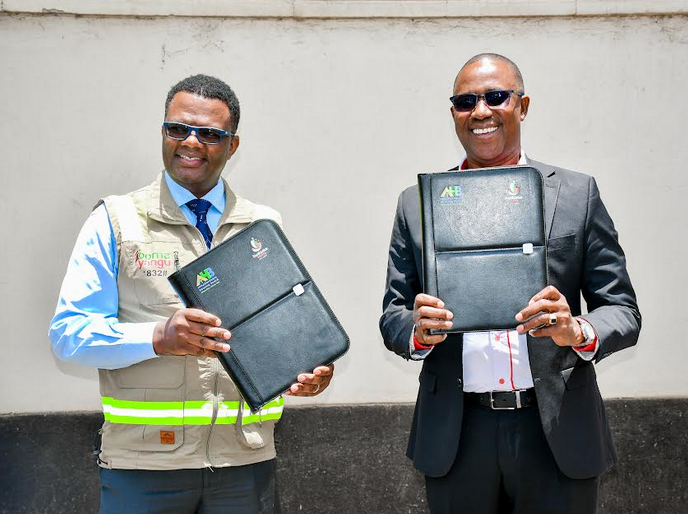
This is after the Affordable Housing Board (AHB) and Huduma Kenya entered into a Memorandum of Understanding (MoU) aimed at providing more strategic access points for Kenyans seeking to own a home under the Affordable Housing Programme.
The service desk will facilitate the homeownership process, from application and registration on the Boma Yangu platform to payment and eventual allocation of housing units upon settlement of the requisite five per cent deposit and subsequent instalments.
Speaking during the signing ceremony at Huduma Centre City Square, Nairobi, AHB Acting Chief Executive Officer Joseph Kagicha, said the collaboration is designed to simplify and demystify the home acquisition process.
He noted that the presence of AHB personnel at Huduma Centres will enable Kenyans to access accurate information on available units, receive guidance on their selections, and be supported through registration and payment procedures.
“We will establish dedicated information desks in every Huduma Centre, clearly branded with the official AHB identity. Our staff will be in official attire and equipped with computers to ensure that every Kenyan can access the information they need to make informed decisions about home ownership,” he said.
Huduma Kenya Chief Executive Officer Ben Kai welcomed the partnership, describing it as a significant step toward deepening access to government services.
He emphasized that Huduma Centres, already synonymous with the delivery of over 5,000 public services, are well-positioned to bridge the information and accessibility gap in the housing sector.
“Kenyans trust Huduma Centres as accessible service points across the country. The introduction of AHB desks responds directly to the growing demand for clear, reliable information on affordable housing opportunities,” he said.
The government’s Affordable Housing Programme continues to gather momentum, with projects structured to deliver a mix of social housing, affordable units, and market-rate developments. More than one million Kenyans have already registered interest through the Boma Yangu platform.
Currently, AHB is overseeing the construction of 273,067 housing units across 111 constituencies, with over 8,800 units completed since 2022, signaling steady progress in addressing the country’s housing deficit and expanding pathways to home ownership
By Joseph Ng’ang’a