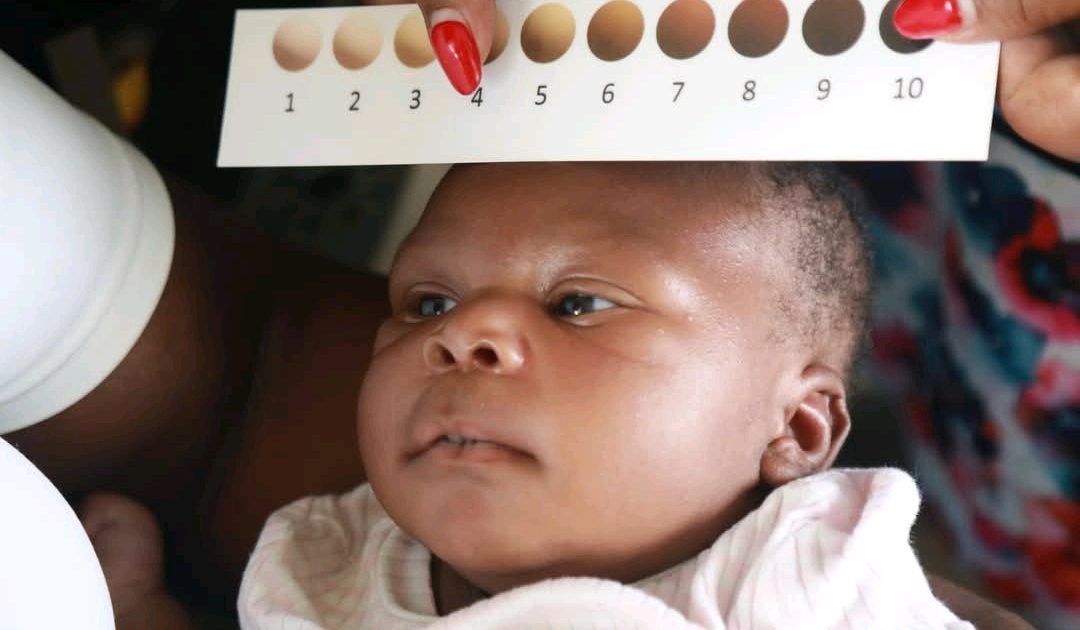
A simple, low-cost diagnostic tool is transforming the detection and management of neonatal jaundice in western Kenya, offering new hope in the fight against infant deaths linked to the condition.
At Jaramogi Oginga Odinga Teaching and Referral Hospital (JOOTRH), clinicians are deploying the Bili Ruler-a handheld, non-invasive device to screen newborns for jaundice, a condition that remains among the leading causes of neonatal mortality globally.
The innovation is being implemented under the Pregnancy Risk, Infant Surveillance and Measurement Alliance (PRISMA) Study, a multi-site research initiative assessing maternal and infant health outcomes.
Early results from the JOOTRH site and surrounding facilities suggest the device could significantly reduce preventable deaths through timely diagnosis and referral.
Neonatal jaundice, marked by yellowing of the skin and eyes, can lead to severe complications including brain damage or death if not detected early.
In resource-limited settings, diagnosis has traditionally relied on Total Serum Bilirubin (TSB) testing, which requires blood samples and laboratory infrastructure often unavailable in lower-level health facilities.
The Bili Ruler, also known as an icterometer, offers a practical alternative.
Health workers apply gentle pressure on a newborn’s nose and compare the skin colour against calibrated indicators on the device to estimate bilirubin levels.
“Our goal is to reduce jaundice-related deaths through early screening and prompt referral,” said Kevin Kasadhe, a clinical research nurse and trainer affiliated with the Kenya Medical Research Institute (KEMRI) and the Cambridge Centre for Global Health Research.
According to Kasadhe, jaundice ranks among the top ten causes of neonatal mortality, yet remains highly treatable when detected early.
“This tool allows us to intervene before complications set in,” he added.
Since its rollout in January 2025, he said, the PRISMA platform has enrolled over 2,700 participants, with 930 infants included in the Bili Ruler sub-study.
Researchers involved in the study, he said, report zero deaths linked to jaundice among identified cases, a milestone they attribute to early detection and timely clinical intervention.
The programme spans six health facilities across Kisumu and Siaya counties, including Kisumu County Referral Hospital, Lumumba Sub-County Hospital, Koyo Health Center, Siaya County Referral Hospital and Tingwangi Health Facility.
Kasadhe noted that at a cost of about Sh1,200 per unit, the Bili Ruler presents a sustainable option for wider adoption, particularly in under-resourced settings.
He added that the device could also be deployed at community level, enabling frontline health workers to screen infants born outside hospital settings.
Infants in the study, he said, are monitored at critical intervals within 24 hours of birth, on day three, and at one week.
Cases with elevated bilirubin levels are referred for specialised care, including phototherapy.
“This is a game-changer,” Kasadhe said. “If scaled nationally, it could ensure no newborn is left behind simply because of where they are born.”
By Chris Mahandara