Along the shores of Lake Victoria, a quieter crisis is unfolding, one that rarely makes headlines but is steadily shaping the future of an entire generation.
For many adolescents in Homa Bay, the struggle is not just about school fees or opportunities; it is internal and deeply personal.
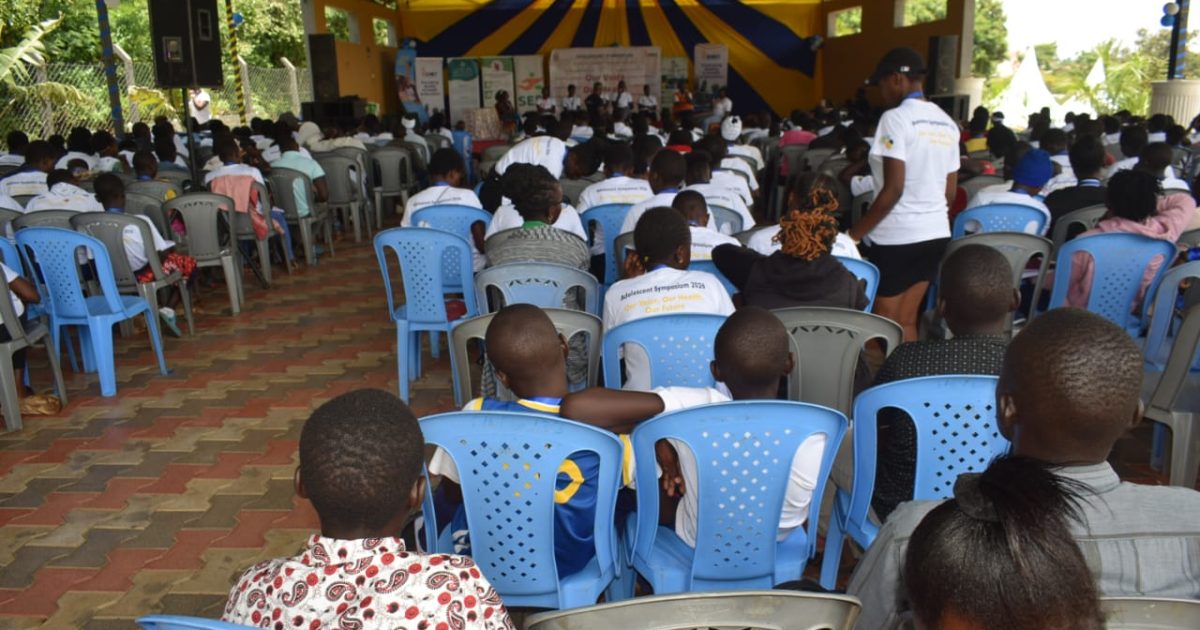
At a recent two-day symposium in Homa Bay town, young people, health workers, and policymakers gathered to confront what experts described as a growing mental health emergency among adolescents.
What emerged from the discussions was a sobering reality. Behind the resilience often associated with youth lies a population silently grappling with depression, anxiety, and overwhelming emotional strain.
At the centre of this crisis are teenage mothers. For girls who enter parenthood too early, the burden can be crushing.
The transition into motherhood comes not with support but often with stigma, at home, in school, and within their communities.
Many are forced to abandon their education, while others face rejection and isolation.
“Teenage mothers, particularly, face overwhelming pressure, physically, emotionally, and financially. This places them at high risk of depression and mental breakdown, says Immaculate Otieno, a nurse and project officer at Kisumu Medical and Education Trust (KMET).
According to data, Homa Bay County reported 10,235 cases of teenage pregnancy in June 2025, with Ndhiwa Constituency taking the lead. Most of the young mothers were aged between 11 and 17 years.
Globally, nearly half of all health conditions affecting adolescents are linked to mental health.
In Homa Bay, teen girls are battling despair while trying to raise children, often without support systems or safe spaces to speak out.
What makes the crisis more difficult to address is how it hides in plain sight, says Otieno.
She notes that many adolescents do not openly express psychological distress; instead, they present with physical symptoms such as persistent headaches, fatigue, or unexplained body pains masking deeper emotional struggles.
In more severe cases, these unresolved pressures manifest as substance abuse or even suicidal thoughts.
Economic hardship further complicates the picture. Poverty continues to push many girls into risky situations, increasing their vulnerability to early pregnancy, exploitation, and gender-based violence, says the expert.
Yet, even as these challenges intensify, awareness of rights and protections remains alarmingly low.
Sharon Amendi, an advocate and policy lead at KMET, highlights a critical gap between Kenya’s progressive policies and the lived realities of adolescents.
While frameworks exist to protect young people, including school re-entry policies for teenage mothers and mental health strategies, implementation remains weak.
“There is a gap between policy and reality. Adolescents do not know where to seek help, and in many cases, the systems meant to protect them are not accessible. Policies such as the school re-entry policy exist, but implementation remains a challenge due to stigma, lack of resources, and inadequate awareness,” Amendi says.
She further points out gaps in access to information, particularly in rural areas, where adolescents are less likely to receive clear, age-appropriate guidance on issues such as reproductive health, HIV prevention, and mental health services.
Cases of abuse, including defilement and exploitation, frequently go unreported not only due to fear but also because victims simply do not know the right channels to seek support from.
For organisations like KMET, which is a non-governmental entity that champions reproductive, maternal, neonatal, and adolescent health, the response must be holistic.
Abella Owuor, a technical lead at KMET, says their initiative focuses on nurturing care for early childhood development while also targeting adolescents and young mothers across the Lake Region.
She highlights the urgency of intervention in Homa Bay, where teenage pregnancy rates stand at 23 percent.
“We are not only focusing on adolescent girls and young mothers but also engaging boys to ensure a holistic approach. Many of these young people face complex challenges, and it is critical to bring them together to express themselves and access support services,” Owuor says.
She emphasises that addressing adolescent challenges requires more than isolated interventions, pointing out several pressing issues, including stigma in accessing healthcare, lack of school fees, and limited opportunities for adolescent mothers to return to school.
Owuor calls for childcare support systems and economic empowerment programs to help young mothers to return to school and rebuild their lives.
“Parenthood at a young age places a heavy burden on adolescents. Many are overwhelmed, and without someone to talk to, they are at high risk of mental breakdowns,” she says.
Owuor further urges parents and communities to move away from judgment and toward understanding to create safe environments where young people feel seen, heard, and supported.
These solutions, she argues, must go beyond conversation.
A teen mother, Anne (not her real name), narrates the frustrations she has had to endure, especially as a young mother.
She says she has faced stigmatisation from all around her, including relatives, school, and the community at large.
“From this forum we now know that our voices really matter, and we need to protect ourselves,” she states.
By Sitna Omar