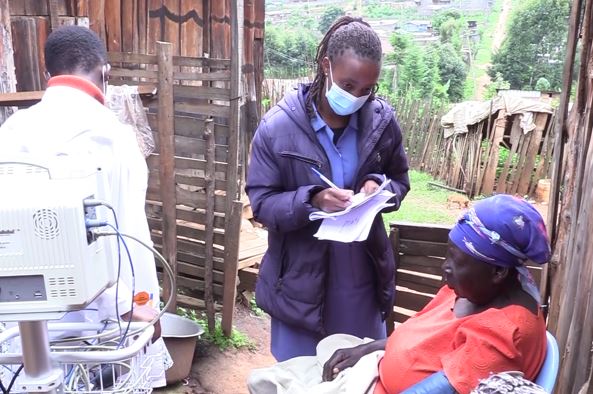
As a measure to mitigate rising cases of non-communicable diseases among the elderly in the slums of Elburgon, a local health facility, St. Joseph’s Hospital, in partnership with medics from Nakuru, organized a free medical camp where over 500 patients benefited from the outreach.
The camp, which was led by Dr. Florence Wairimu, focused on non-communicable diseases, majorly hypertension, diabetes, arthritis, and respiratory diseases, which contribute to 85 percent of deaths among the elderly population.
Dr. Wairimu highlighted that lack of access to health facilities and late diagnosis are some of the key reasons for complications among many elderly patients arising from self-medication by buying drugs over the counter in local chemists without a doctor’s prescription, which exposes them to severe problems and pain in the future.
“What communicated to us as a facility to come up with this medical camp is the alarming number of elderly persons within Molo Constituency who attend clinics for communicable diseases. Already over 500 residents have received free health services, among them heart screenings, ECG and ECHO tests, non-communicable disease screenings, blood sugar tests, blood pressure tests, breast examinations, and urinalysis tests,” said Dr. Wairimu.
“Regular check-ups help in identifying possible health conditions at an early stage, in line with the adage. We must educate our people to embrace prevention measures, which are far better than a cure,” she added.
Wairimu noted that the lifestyle of most people in Molo sub-county and poor diet are the major contributors to the rising numbers of patients suffering from non-communicable diseases.
She urged residents not to consume too much cabbage and Irish potatoes, which are the common foodstuffs available, but rather to ensure they have a complete diet and do lighter exercises to manage their body weight and regulate body fat.
“A poor diet contributes to hypertension (high blood pressure) primarily through high sodium intake, low potassium, excessive calories causing obesity, and high intake of trans fats or added sugars. Sodium causes fluid retention, increasing blood volume and pressure, while insufficient potassium prevents the body from balancing this sodium,” she noted.
Residents who benefited, led by Samuel Githae and Joyce Nyambura, urged the community in Elburgon to embrace the screening and regular clinic to manage their health crisis.
Githae noted that regular clinics offer personalized, convenient, and cost-effective care close to communities, reducing hospital burdens, encouraging early diagnosis, and supporting overall community health through vaccinations, education, and screenings.
The sentiments were echoed by Catherine Wanjiru, a medic at St. Joseph Hospital, noting that medical clinics are vital, accessible pillars of the healthcare system, providing essential outpatient services, including preventative care, chronic disease management, and prompt treatment for acute illnesses.
“We can manage most of these diseases if we embrace regular checkups and shun the culture of buying drugs without doctor examinations and prescriptions. This is a common habit that is silently killing the majority in the society,” said Wanjiru.
According to the WHO, an unhealthy diet and physical inactivity contribute to around 30% of preventable morbidity and mortality from non-communicable diseases, including morbidity and mortality due to hypertension. Hypertension is a condition associated with increased risk for stroke, cardiac failure, renal failure, and peripheral vascular disease.
Excessive intake of saturated fatty acids and trans fatty acids, along with higher consumption of salt and sugar, are risk factors for cardiovascular diseases, including hypertension.
By Absalom Namwalo