The Micro and Small Enterprises Authority (MSEA) is intensifying efforts to integrate Jua Kali artisans into the Affordable Housing Programme and ESP Markets in Uasin Gishu County, a move aimed at boosting inclusivity and creating sustainable livelihoods.
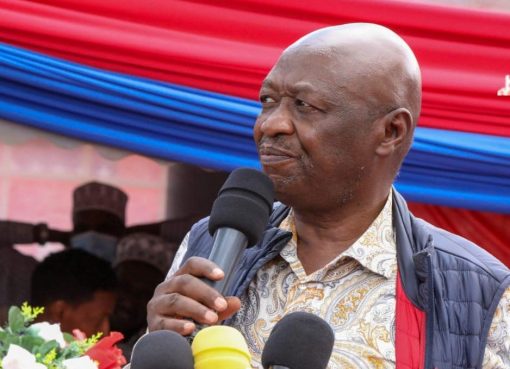
Speaking in an interview with KNA during site visits for Jua Kali artisans working for AHP projects, MSEA Northrift Regional Coordinator CPA Alton Kogo, emphasized that the initiative seeks to position informal sector players at the heart of construction value chains by linking them directly to contractors and developers undertaking housing projects in the region.
He affirmed the central role played by the authority in formalising and linking Jua kali MSEs to available jobs at affordable housing projects in Railway City, Kidiwa I, Moiben AMS, Pioneer and Matharu, Ainabkoi and Kapseret ESP markets.
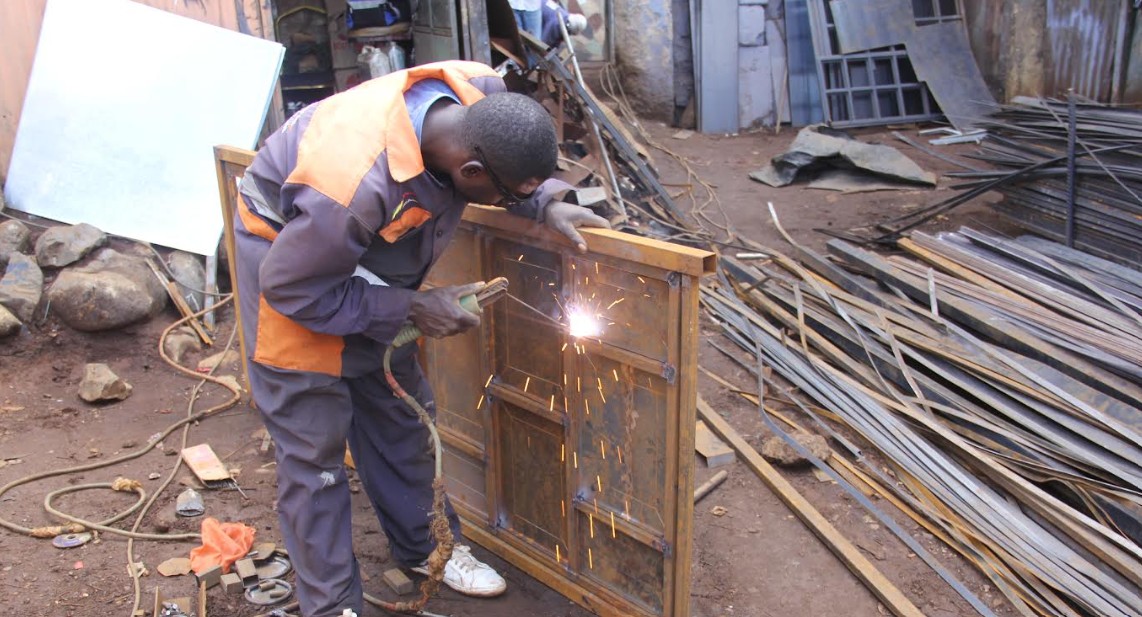
The MSEA Northrift Regional Coordinator indicated that the initiative has created significant local impact, noting that over 150 Jua Kali artisans have been formalised, issued with certificates, and given opportunities to fabricate steel doors, windows, wooden frames, and doors for affordable housing units being developed across the county. The involvement of Persons with Disabilities (PWDs) groups has been even more transformative.
He underscored that the move is not only providing employment opportunities but also opening up new markets for locally produced materials. He specified that the MSEs across the county have benefited from the supply of materials with a business value of approximately Sh400 million.
“I have personally witnessed youth in Uasin Gishu who had no jobs and were just idling on the streets. Through business development services and support for group formalisation, we helped them organise.
Today, those same youth have successfully completed over 6 Local Purchase Orders (LPOs) worth more than Sh8 million within Uasin Gishu,” observed CPA Kogo.
Kogo commended the government for the transformative initiative which has immensely supported the Jua kali sector, saying, “MSMEs have accessed tenders which were very impossible for small enterprises to access. The subcontracting aspect is critical in devolving funds to the local MSMEs; through this, the Tax base has also been expanded to a great extent because all of them are required to register for VAT.”
MSEA has also intensified capacity-building efforts to ensure artisans meet industry standards. Through targeted training and skills development whereby Jua Kali workers are being equipped with technical expertise, quality assurance knowledge, and business management skills to enhance their competitiveness.
He further encouraged artisans to formalize their enterprises and join organised associations. This step is expected to improve their eligibility for government tenders and subcontracting opportunities, while also enhancing access to financing and regulatory support.
Elijah Kiambati, one of the leaders of the Affordable Jua Kali Association, Uasin Gishu, narrated that the Jua Kali work for them now is like a permanent job since they are working continuously because there is high demand for their products like windows, doors, wooden frames and doors and furniture from the AHP.
This, he said, is unlike before when they had to wait for clients for long hours under their shades, with some artisans sometimes closing their day without earning a shilling due to lack of clients.
“First, I thank the President because he gave us fishing lines to fish rather than giving us fish by ensuring Jua Kali artisans are included in the affordable housing programme. This truly aligns with his Bottom-Up Economic Transformation Agenda (BETA) to help us in improving our livelihoods through income from the supply of fabricated windows and doors to the affordable housing sites,” he said.
“We were forced to go days, weeks to even a month without a job, but now I am happy I have a job every day, which is like office work to me,” added Kiambati.
He revealed that the affordable housing job has helped to transform his life remarkably, in terms of earning enough money to pay for his son’s university education, opening a business for his wife and operating a matatu business.
The senior artisan commended the government through MSEA by integrating the Jua Kali sector into the Affordable Housing Programmes in Uasin Gishu County as part of the Bottom-Up Economic Transformation Agenda.
He noted that the move has helped strengthen the Jua Kali sector to work directly with government agencies, getting rid of the previous bottlenecks brought about by middlemen and brokers who benefitted a lot from government projects at the expense of Jua kali labour.
He mentioned that through the AHP contract, his workshop has provided employment to over 20 youth artisans, helping boost their livelihoods from weekly earnings, highlighting the ripple benefits of the housing project.
Kiambati also hinted that they have contributed to the economy through purchasing steel materials for fabrication from the local hardware stores.
“The other day our association purchased materials worth a half a million from the local hardware here; this means we are supporting the manufacturing sector, transport and many more which are associated with our work,” he noted.
He implored other Jua kali artisans to join associations and register through MSEA so that they are recognised and linked to work in various AHP projects since they are formalised.
Fanuel Anyanga Temba, an Instructor for artisans doing fabrication for steel windows and doors at the Affordable Housing Jua Kali Association, revealed that they have done significant work with several Local Purchase Orders (LPOs) amounting to over Sh10 million since August last year to supply doors and windows across various AHP projects in Uasin Gishu, including Kidiwa I, Pioneer housing, Moiben AMS AHP site and others.
The recently awarded best welder during the World Day for Safety and Health at Workplace 2026 in Eldoret identified increasing prices of steel metal materials as a challenge, calling on the government to intervene in order to cushion them from incurring high operation costs.
“I do samples and quotations for tenders offered to us; the price of these materials for example, steel metal, has gone up by Sh200 above the Sh1000 we quoted initially when we applied for the tender. This needs to be addressed to salvage our income,” suggested Temba.
Fredrick Mbede, one of the Jua Kali artisans, said working in affordable housing has really helped him to earn enough money to open a business and cater to domestic needs.
“We as subcontractors, we have been successful because we can now work with the government directly without any intervention within. You get your LPO, do the work and get paid well and on time. It has improved my financial status; I can pay school fees for my children in secondary and primary schools. I have a hardware business which I started with income from affordable housing,” noted Mbede.
Mbede praised working with AHP noting it has helped in enhancing their line of credit due to a well-established relationship with financial institutions like banks where their payments are made through and they can easily access funds to procure materials they may need to make windows and doors.
On his part, Kelly Kibet from Ustawi Shelter Jua Kali Association commended the incorporation of Jua kali sector in the housing and Economic Stimulus Programme (ESP) markets projects, noting it lifts youth living standards through access to jobs.
“Working with AHP has earned us experience and exposure through working directly in flagship government projects. I have supplied doors twice and windows once at the Pioneer and Railway City affordable housing projects. This has helped to boost my economic status,” mentioned Kibet.
By Ekuwam Sylvester