Muslim clerics from North Eastern and Tana River Counties have been urged to take a leading role in raising awareness and combating new HIV infections, teenage pregnancies, and Sexual and Gender-Based Violence (SGBV), collectively referred to as the “triple threat” in the region.
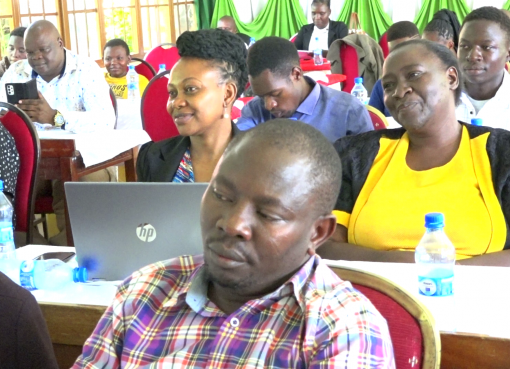
The call was made during a one-day workshop that brought together officials from the National Syndemic Diseases Control Council (NSDCC) and the Supreme Council of Kenya Muslims (SUPKEM), aimed at strengthening community-based interventions to address the challenges.
According to NSDCC data, Garissa, Wajir, Mandera, and Tana River Counties recorded an estimated 5,593 people living with HIV in 2024, including 720 children aged between 0 and 14 years.
The Council noted that SUPKEM remains a strategic partner due to its trusted access to Muslim communities through Imams, madrasa systems, mosque forums, and youth networks, making it well-placed to deliver culturally sensitive messaging on HIV prevention and SGBV.
Officials said engaging religious leaders would help reduce stigma, encourage testing, and promote early access to treatment services among communities that are often hard to reach through conventional health programmes.
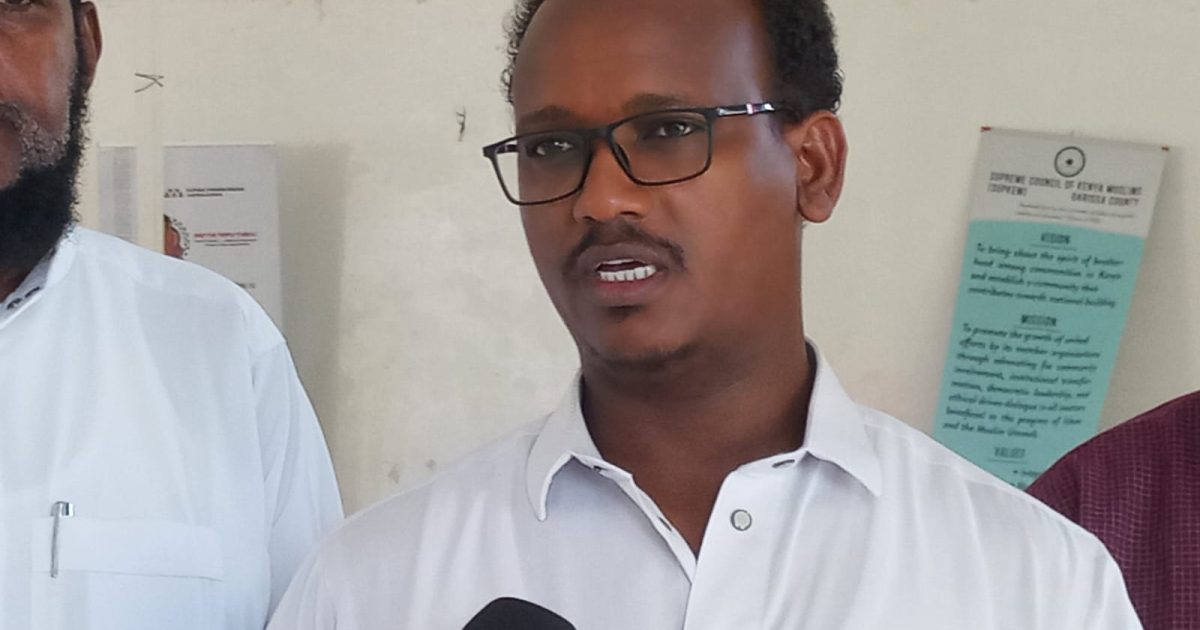
Speaking on the sidelines of the workshop, SUPKEM Director for Health and Sanitation Dr. Hussein Iman urged stakeholders not to overly depend on donor funding for awareness campaigns but instead to leverage existing local networks, particularly religious institutions.
“We have discussed how to demystify the issues of HIV and the triple threat, and we have resolved that these are matters within our reach and we can help with the network we have,” said Dr. Iman.
He attributed the rising HIV cases in the region to low health-seeking behaviour, moral decay, and reluctance to undergo regular testing. He also raised concern that reduced stigma has led to complacency in HIV testing, particularly during cultural events such as weddings.
“We have seen people relaxing on testing, and in some cases, HIV testing is being ignored during weddings, which contributes to increased prevalence in the region,” he added.
Dr. Iman further noted that social media, urbanization, and increased population mobility have contributed to changing social behaviours, some of which negatively impact community health outcomes.
A Programme Officer at NSDCC, Halima Dahir, called on Clerics to help dismantle harmful cultural practices that increase vulnerability to HIV infections. She urged them to reframe discussions around health issues within both cultural and Islamic teachings to improve acceptance and understanding.
Ms. Dahir also highlighted the need for stronger collaboration among stakeholders following the reduction of donor funding from international partners.
“So many donors have pulled out. This means we have to work with county governments and other stakeholders to mobilize resources so that we can reach all communities against HIV infections,” she said.
By Erick Kyalo