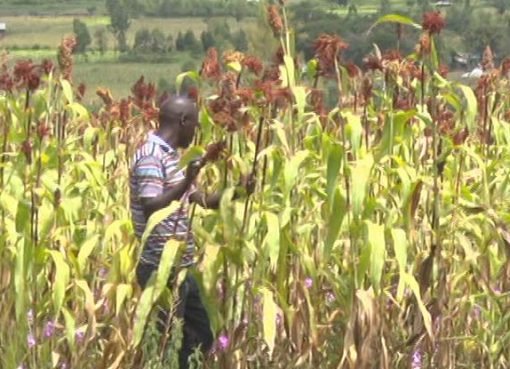
Government is intensifying efforts to empower young people in agriculture through a mentorship exchange programme that brings together youth innovators and practitioners from China and across Africa.
The initiative, implemented under the Forum on China-Africa Cooperation (FOCAC) and the Global Development Initiative (GDI), seeks to modernize agriculture, enhance food security, and improve rural livelihoods through technology transfer, vocational training, and green development approaches.
The Programme focuses on equipping youth with practical skills in agro-processing, value chain enhancement, and innovation-driven farming practices.
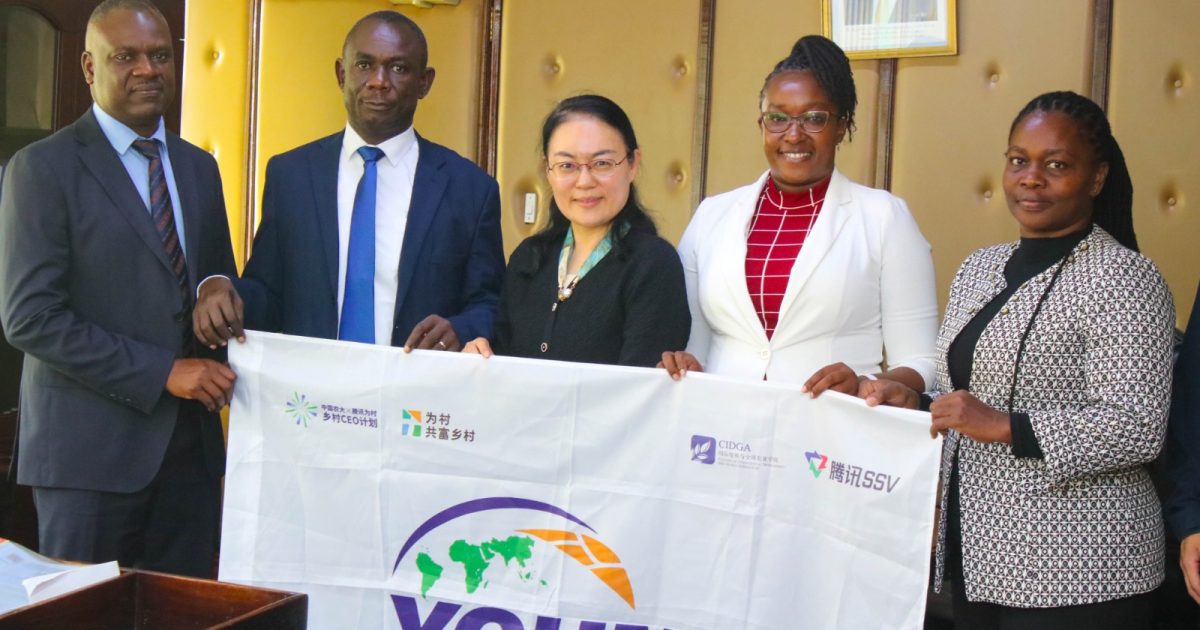
Speaking during a meeting with representatives of the Young Global South Rural Enterprises Initiative in Nairobi, Agriculture Secretary, Ministry of Agriculture and Livestock, Peter Owoko, reaffirmed the government’s commitment to supporting youth participation in the agricultural sector.
The delegation included Prof. Li Li from China Agricultural University (CAU), Yanchen Qi, a PhD student at CAU currently based in Tanzania under the mentorship exchange programme, as well as Kenyan beneficiaries Irene Kagera and Julius Waweru.
Owoko emphasized the importance of sustained follow-up to ensure beneficiaries continue creating impact within their communities.
He called for the scaling-up and commercialization of innovations developed under the programme, noting that young people remain central to transforming the agricultural sector and driving economic growth.
The Agriculture Secretary also proposed the integration of urban agriculture into the initiative to expand opportunities for urban youth and improve livelihoods.
“Empowering young people with practical agricultural skills and innovation is key to achieving food security and sustainable development,” said Owoko.
Li Li commended Kenyan participants for their exemplary performance, highlighting the importance of public-private partnerships in strengthening mentorship and capacity building.
She noted that the programme supports youth and students in learning, research, and innovation development, while promoting affordable and appropriate technologies for agricultural transformation.
According to Li, the initiative also enhances global collaboration by linking students and researchers from different countries, to share experiences and best practices.
Participants are expected to transfer acquired knowledge and skills to fellow farmers, thereby, contributing to wider capacity building within the agricultural sector.
The Programme is expected to be coordinated through the Kantaria Agricultural Technology and Innovation Centre (KATIC), which serves as a hub connecting academia, research, and innovation to support sustainable agricultural transformation in Kenya and the region.
By Anita Omwenga