Homa Bay County has recorded an upsurge in suicide cases associated with deteriorating mental health amongst the local residents.
The latest is the tragic death of Peris Nyabonyi, a 21-year-old student at Tom Mboya University, who was pursuing a Bachelor of Arts in Tourism and Hotel Management degree course.
According to police reports, the student allegedly committed suicide by hanging herself using a belt inside her house in Sofia Estate, Homa Bay town.
The incident has sparked public concern over the growing mental health crisis affecting young people in the region and the country in general.
Preliminary investigations revealed that before taking her life, Peris wrote two letters. One letter was addressed to her parents, where she reportedly asked for forgiveness. The second letter was addressed to her boyfriend over relationship issues, which is believed to have pushed her into emotional distress.
The death of Peris has not only left her family and friends in pain but has also raised serious questions about the emotional well-being of students and youths across the county.
Residents of Sofia Estate described Peris as a quiet and hardworking student who rarely caused trouble.
The incident highlights the reality that mental health challenges are not always visible, and many young people may be battling depression, anxiety, and stress without anyone noticing.
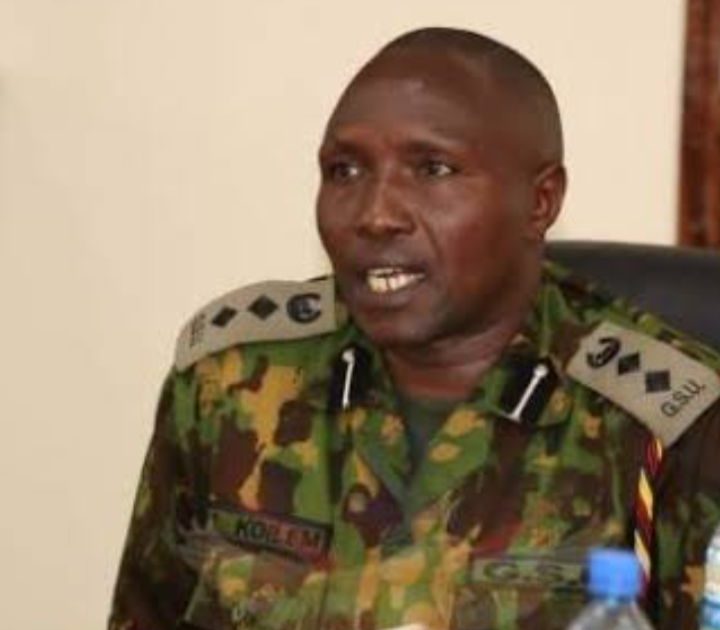
Homa Bay County Police Commander, Lawrence Koilem, confirmed the incident and expressed concern about the increasing suicide cases in the county.
“We are recording many suicide cases among youths aged 28 years and below. This month alone, we have recorded five suicide cases and six unexplained deaths. Even more alarming is that some of the cases are school-going children, particularly those in grades 5 and 7, highlighting the urgency of addressing mental health issues early,” he noted.
Koilem also called on families to remain close to their children and pay attention to any changes in behaviour.
He noted that some warning signs, such as withdrawal, sudden silence, anger, mood swings, and loss of interest in normal activities, should never be ignored. He urged parents and guardians to create a friendly environment where youths can openly express their feelings without fear of being judged or punished.
“The youth should learn to share their problems so that they can find solutions. They should seek advice from spiritual leaders, parents, friends, and people they trust,” he advises.
Mental health experts have also warned that suicide among youths is often linked to social and psychological pressures.
According to Georgina Otieno, a Psychiatrist Nurse at the Hope Centre in Homa Bay Referral Hospital, suicide and aggressive behaviour among young people are commonly fueled by factors like peer pressure.
“Peer pressure, strong material desires, needs, and lack of the sense of belonging are some of the major causes that push youths into suicidal thoughts and aggressive behaviour,” she explains.
Otieno emphasizes the importance of creating open environments where young people can freely express their struggles without fear of judgment.
“Young people should share their mental challenges so that they can get support. Secondly, we need to create awareness to avoid stigma. They should express themselves, and there should be advocacy so that people can talk about mental health openly. Talking about it helps prevent it,” she added.
Otieno also urges local leaders to work with county government to improve mental health services by increasing the number of trained counselors, establishing mental health clinics, and supporting outreach programs in schools and communities. She also calls for the strengthening of guidance and counseling departments in learning institutions, especially universities and colleges where students face academic stress and personal challenges.
The death of Peris Nyabonyi has raised fresh calls for mental health awareness campaigns in schools, universities, and communities across the region. And as the county continues to record rising cases of suicide, leaders and mental health professionals are urging society to treat mental health challenges as serious issues that require support, counseling, and understanding rather than silence and stigma.
Stakeholders are also calling for collective responsibility in addressing the crisis. Families, schools, healthcare providers, and the government must work together to provide support systems and create awareness.
The message from authorities and mental health professionals remains clear: Mental health matters, and no one should suffer in silence.
By Shanel Kwamboka and Irene Barasa