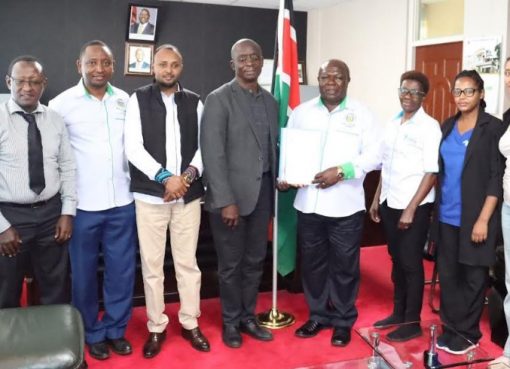
The Anti-FGM board is actively seeking the support of religious leaders and their institutions in the fight to eliminate Female Genital Mutilation in society.
Female genital mutilation, sometimes called female circumcision, involves the procedure of partial or total removal of the female genitalia and any intrusive procedure to the female genitalia for non-medical reasons.
The Board is, therefore, urging religious leaders to use their spiritual platforms to create understanding on the effects of FGM as well as condemn and help eradicate the harmful traditional practice.
As a semi-autonomous government agency, the Board views faith leaders as ‘trusted moral authorities’ in society who can effectively dismantle the cultural myths perpetuating the social vice rooted in local traditions and cultures.
The anti-FGM board organized a sensitization forum on ending FGM for 150 imams and pastors drawn from Tana River County in Hola town, who said the practice has no place in faith.
The forum provided a meaningful dialogue on the collective role of faith leaders in ending FGM and protecting the rights and dignity of girls.
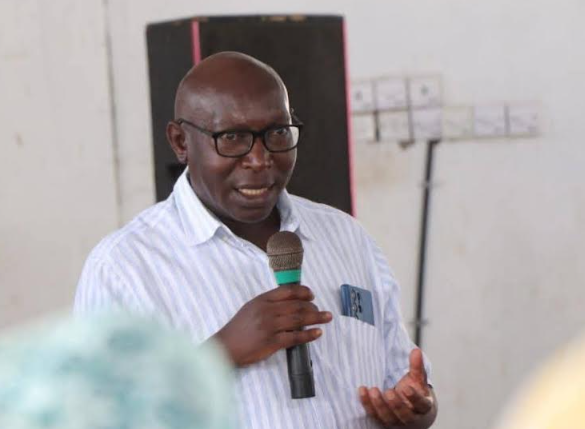
The event was led by Hashim Musa, Director of Policy and Research, who stated that religious leaders are critical in mobilizing communities to educate the people on the dangers of FGM.
Musa says Christian and Muslim religious leaders have the moral duty to speak out against the primitive act of FGM in churches and mosques.
He noted that FGM is a harmful practice with no medical or health benefits that results in severe physical and psychological consequences for women and girls.
Musa said they are happy that the Hola forum ended with a united call for communities to protect the girl child and work towards ending FGM.
He said it violates the rights of women and girls and causes severe physical, psychological, and emotional damage.
The Kenya Demographic and Health Survey (KDHS) of 2022 indicated a Tana River FGM prevalence rate of 60.1 percent among women between the reproductive ages of 15 and 49.
Musa said the health complications as a result of undergoing FGM include loss of sex drive, infertility, stillbirth, an increased rate of maternal and infant mortality, and complications during delivery.
He said religious leaders remain powerful voices of influence, guidance, and hope and can bring about positive social change.
“Faith leaders have the responsibility to educate their congregation on the effects of FGM,” he said.
Musa said getting the voices of religious leaders calling for an end to FGM is an important step to end the practice.
Tana River County Commissioner (CC), Joseph Mwangi, says girls should be celebrated, educated, and empowered but not mutilated.
CC Mwangi regretted that the practice deeply rooted in socio-cultural and misguided religious beliefs has for decades robbed girls and women of their dignity, health, and future.
He directed chiefs and their assistants to ensure that the long-lasting tradition of FGM was eradicated in their areas of jurisdiction.
“We will take stern action against chiefs in areas where girls are being circumcised,” he said.
He noted that the grassroots administrators should publicly advocate for the abandonment of FGM during public barazas.
Mwangi also said action would be taken against unscrupulous medics who subject women and girls to the harmful practice of FGM.
Agrey Nyangweso, County Director of Gender, said faith leaders play a pivotal role in dispelling myths that link the practice to religious beliefs.
He said religious leaders should educate their congregations on the lifelong severe physical and psychological harms of FGM.
Nyangweso says FGM has no health benefits and violates women’s reproductive rights and constitutes violence against women and girls.
He called for stronger collaboration between government, civil society, and religious institutions in safeguarding vulnerable girls.
“In high prevalence areas the fight against FGM, gender-based violence, and child marriages requires faith-based partnerships to reshape community narratives,” he said.
The county gender director said they have trained 250 anti-FGM champions who are actively sensitizing communities on the dangers of the practice and on the available alternative rites of passage.
Sheikh Abdullahi Gudo, chairman of the Council of Imams and Preachers of Kenya (CIPK) Tana River branch, said there were no religious justifications for the harmful practice.
Sheikh Gudo said clerics should leverage their significant community influence to eradicate the practice that leads to complications during childbirth.
“Ending FGM requires whole-of-community action and faith leaders are critical partners in that journey,” he said.
“We will be using our theocratic authority to declare that FGM violates Islamic principles in many respects,” he said.
The cleric said it is now easier to turn the tide against FGM because of higher education levels and greater health awareness among the younger generations.
“FGM has been a pervasive reality for women and girls in Tana River and is carried out without medical reasons and is haram (forbidden) in Islam,” he said.
Sheikh Gudo said religious leaders will continue spreading anti-FGM messages during sermons, community gatherings, and counseling sessions.
He went on, ‘In Islam, no part of our bodies should be removed and it’s only boys that are supposed to be circumcised.’
Maka Abdalla, a human rights activist, said civil society and community-based organizations need to be supported in their work because they are involved in saving many girls from the practice.
She said the harmful cultural practice affects the health and psyche of women and urged the people to report cases where girls may be at risk.
By Hussein Abdullahi