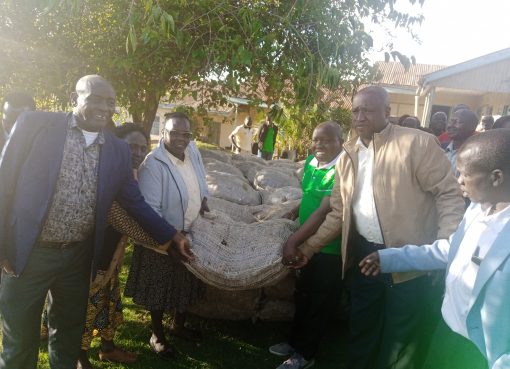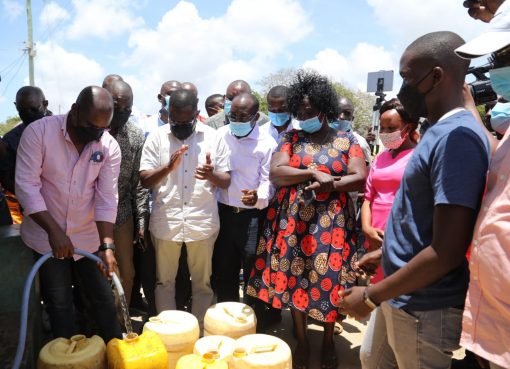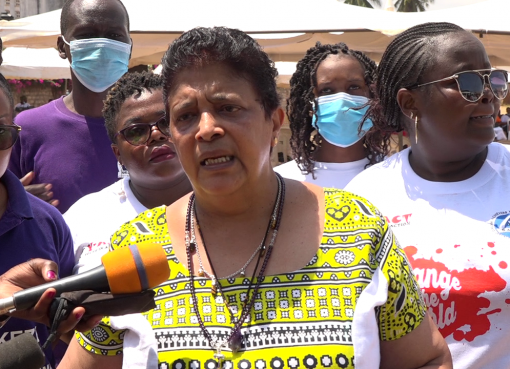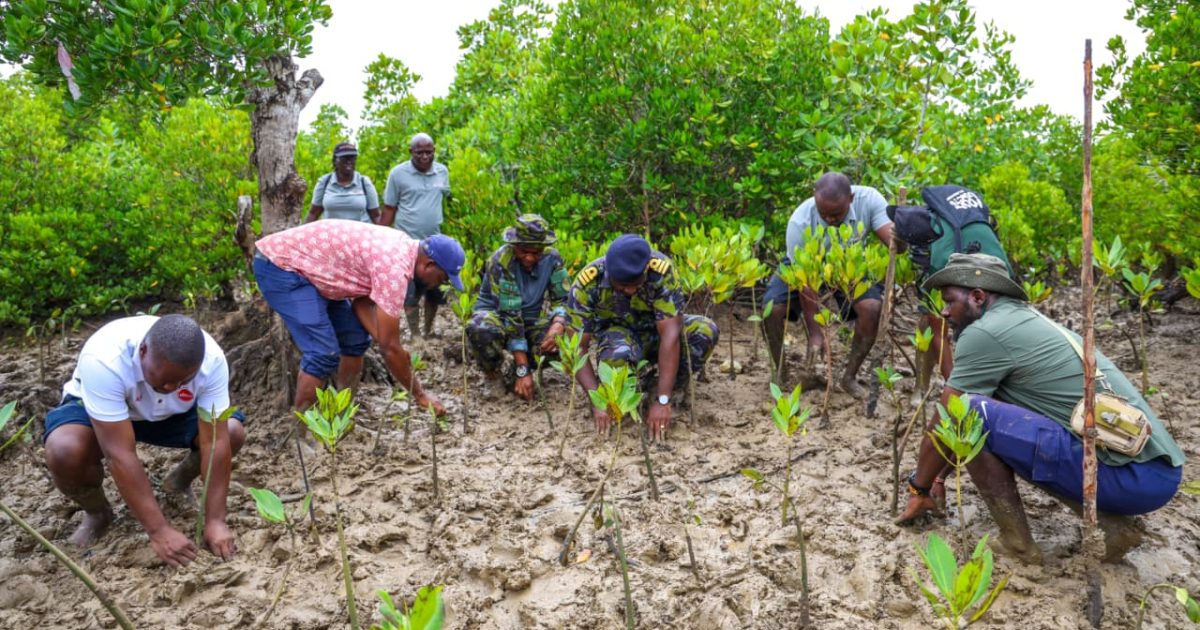
The Kenya Navy, in partnership with private companies and local communities, braced the early morning showers and planted 10,000 mangrove seedlings at Tsunza in Kwale County on Friday, advancing the country’s national target of establishing 15 billion trees by 2032.
The joint initiative brought together members of the Kenya Defence Forces (KDF), conservation organisations, insurance firms and residents from surrounding villages to restore fragile coastal wetlands that serve as critical buffers against erosion, flooding, and the decline of marine life.
Lieutenant Colonel Boniface Amimo of the Kenya Navy said the exercise reflected the military’s expanding role in environmental restoration following President William Ruto’s directive for the KDF to spearhead the national tree-planting programme.
“We are here today to plant mangroves together with our key partners and the community at Tsunza,” Lieutenant Colonel Amimo said.
He said the Kenya Navy was targeting eight million seedlings during the 2025/2026 financial year, with approximately 3.2 million already planted across the Coast region, comprising mangroves, fruit trees and indigenous species.
Mangroves are widely regarded as among the world’s most effective natural carbon sinks, capable of absorbing and storing large quantities of atmospheric carbon dioxide. They also shield coastlines from erosion and provide critical breeding grounds for fish and other marine life.
Environmental groups warn that logging and unregulated coastal development have destroyed vast tracts of mangrove cover, leaving shoreline communities increasingly exposed to flooding and declining fish catches.
Sakwa James of Furaha Baraka Farms, a conservation organisation participating in the drive, said mangroves were indispensable to both ecological protection and community wellbeing.
“For us, mangroves are not just trees,” he said. “They protect the environment, absorb huge amounts of carbon and also help communities survive.”
His organisation has planted nearly three million mangroves in the area over the past two years, with plans to expand the scope of restoration efforts.
Samuel Muthomi of First Assurance, one of the private sector participants, said businesses could no longer afford to ignore the consequences of climate change.
“We need to do this as frequently as possible because we are one with nature,” he said, adding that his company was committed to sustaining the surrounding ecosystem and was targeting two million mangrove seedlings.
Brian Hamadi of Absa Life Assurance Kenya said tree-planting represented both an environmental and an economic investment for the corporate sector.
“Trees are money,” he said. “
By planting mangroves, we are trying to capture as much carbon as possible while also helping communities create livelihoods.”
He said Absa had planted 10,000 mangroves during the previous year and 40,000 at the start of the current year, with Friday’s drive adding another 10,000 in collaboration with First Assurance and the Kenya Navy.
The company is also partnering with the Kenya Wildlife Service on broader afforestation efforts.
For communities living along the coastline, the project carries direct economic benefits beyond environmental protection. Khadija Ali Kodi, a local resident, said mangrove conservation had become a source of income for many families.
“When we plant mangroves, later we sell the seedlings and help our children go to school,” she said.
She urged fellow residents to abandon illegal tree cutting, warning that environmental destruction affected everyone regardless of personal choices.
“When floods come, they do not choose who cut trees and who did not,” she said.
By Sadik Hassan