Ten Kenyan green growth-stage enterprises are set to benefit from a new six-month business accelerator programme designed to prepare them for trade and investment cooperation with Germany, as organisers move to dismantle compliance barriers that have long locked local businesses out of European markets.
The Kijani Enterprise Collaboration programme, launched in Mombasa through a partnership between Friedrich Naumann Foundation and Vestibule Foundation Kenya, targets small and medium enterprises operating in the green economy, including those in circular economy, waste management, carbon, and blue economy sectors.
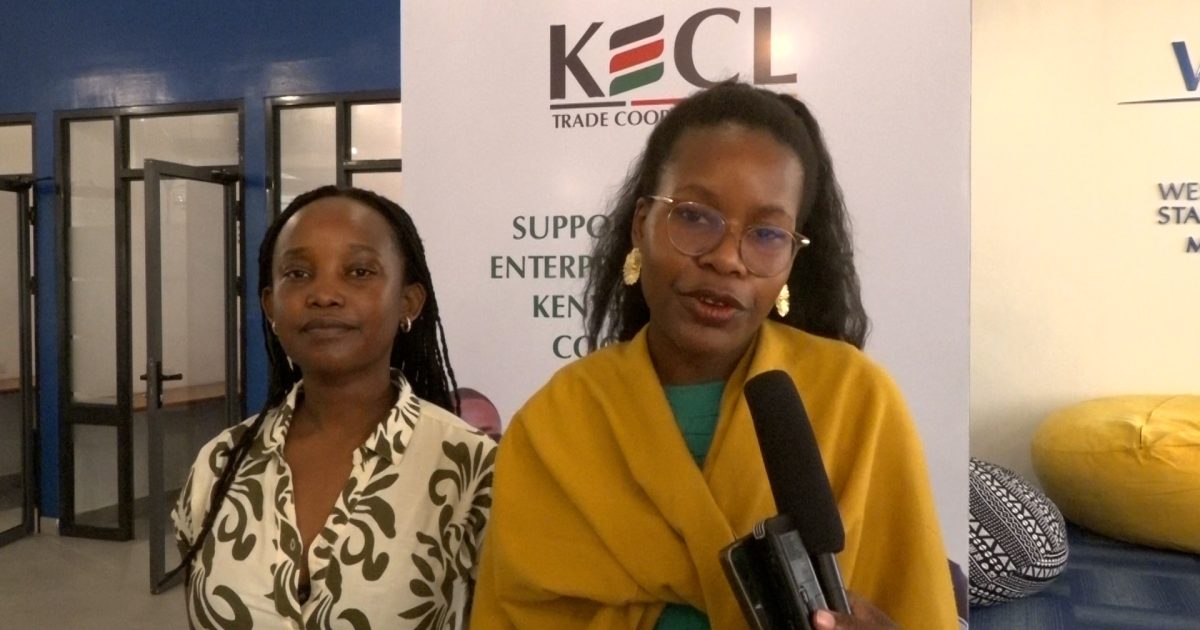
Frida Okello, Programme Manager at Friedrich Naumann Foundation, said the initiative responds to a growing recognition that development cooperation can no longer rely on traditional aid-based models and must instead leverage trade as an engine for sustainable economic partnerships.
“We are looking at development cooperation as evolving. We can no longer work as we used to, so we are looking into innovative ways of being able to collaborate through market access, whether international or regional,” Okello said.
She identified information asymmetry and compliance gaps as the two most significant obstacles facing Kenyan green enterprises seeking to enter the German and broader European Union markets.
“Germany is a bit less informed about what startups on this side of the continent have to offer. And even with that, there is also the compliance wall; you find that a business here cannot grow into the EU or Germany because they still do not have their documentation in place,” she said.
The programme will focus on equipping participating businesses with the technical knowledge and documentation needed to meet European regulatory standards, including the German Supply Chain Due Diligence Act, eco-certifications, fair trade labelling, and environmental, social and governance requirements increasingly demanded by German buyers.
Okello noted that several macro-level policy frameworks are already in place to support Kenya-Germany economic cooperation, among them the Economic Partnership Agreement between the EU and East African states, the green hydrogen cooperation framework, cimate and trade development accords.
She noted that the programme, aims to bridge the gap between political goodwill at the top and practical readiness at the enterprise level.
Mercy Mukulu, Country Director of Vestibule Foundation Kenya, described the Kijani Enterprise Collaboration Lab as a co-creation initiative that places entrepreneurs at the centre of the process alongside investors, buyers, and ecosystem partners.
“Trade is the tool. Traditionally the relationship has been ’we just receive aid.’ But this time, trade is a tool, and we are co-creating with the entrepreneurs, investors and the buyers,” Mukulu said.
She added that German-linked institutions are already embedded in the programme’s structure as a demonstration of the bilateral relationship it seeks to advance.
While the current cohort covers only 10 enterprises, Okello said the impact is expected to multiply. Growth-stage enterprises constitute approximately 7 percent of Kenya’s business landscape, with the remainder being micro-enterprises.
She outlined that those equipped for continental and international trade, she was likely to reinvest resources back into local supply chains, generating a wider economic ripple effect.
The programme is expected to conclude with participants positioned for active market linkages with German buyers and partners.
By Ramadhan Nassib