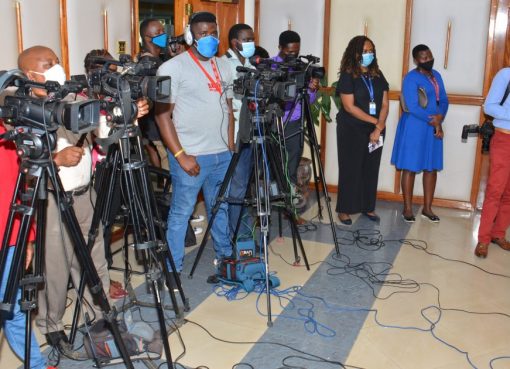
The Kenya Institute of Supplies Chain Management (KISM) has partnered with the Ministry of Health to strengthen procurement and supply chain systems supporting the country’s Universal Health Coverage agenda.
Speaking during the Third Edition of the Health Supply Chains Conference in Naivasha, KISM Chief Executive Officer Kenneth Matiba said professionalizing the sector would build trust, efficiency, and accountability and improve health outcomes.
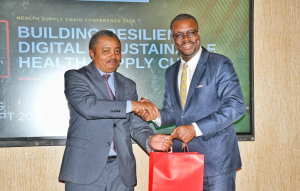
He said the initiative targeted procurement processes, inventory management, cold-chain operations, and last-mile distribution networks critical to accelerating the country’s health agenda.
The CEO called for health-sector supply chain functions to be entrusted only to qualified, registered, and licensed professionals, adding that supply chain decisions impacted public resource use and patient safety.
He said KISM was continuously registering and accrediting procurement professionals, with a target of 40,000 by 2029 to address bottlenecks in the sector.
“KISM reaffirms its commitment to strengthening the profession through registration and licensing, continuous professional development, standards, ethics, compliance, and enforcement,” he said.
He said the capacity-building training aimed to eliminate drug stock-outs, advance digitisation of medical services, and address counterfeit and substandard medical products.
The CEO added that KISM was pushing for the adoption of e-procurement, real-time visibility, data analytics, and the responsible application of Artificial Intelligence to strengthen transparency and accountability.
“This conference addresses the elimination of stock-outs of essential medicines, last-mile distribution and cold-chain excellence, digital transformation of health supply chains, and the fight against counterfeit and substandard medical products,” he said.
The Director for Curative Care and Nursing Services, Dr. Andrew Toro, said the government was on high alert to handle emergencies, including disease outbreaks and trauma cases, ahead of the anticipated El Niño rains.
Dr. Toro said the ministry had begun issuing public warnings ahead of the rains, which the Meteorological Department expected to intensify starting next month.
He said the government was working with partners to ensure an adequate and timely supply of medical products and to guard against substandard goods entering the market.
Dr. Toro said the ministry held sufficient reserves of drugs and medical supplies and had stepped up compliance and surveillance to curb counterfeit products.
He added that it was partnering with KISM to adopt and accelerate the supply of medical products and ensure that no public lacks quality medical supplies upon visiting health facilities.
“We have upped our ante on rolling out compliance and surveillance checks to address any counterfeit drugs and medical products, and we will ensure no substandard products are distributed for public use,” he said.
According to a presser by the Interior Ministry, the anticipated impacts of the rains would include intense flooding, drowning, displacement of communities, and disease outbreaks, among others.
A coordinated approach between the national and county governments had earmarked several mitigation measures to reduce the impacts, including mapping of hotspot areas, unclogging of drainage systems, and awareness creation for vulnerable populations.
By Erastus Gichohi