Kenya is set to construct an Sh. 80 billion nuclear research reactor at Konza Technopolis to locally produce drugs for cancer treatment and cut over-reliance on imports from South Africa and expensive medical trips to India.
The project, to be implemented through a Public-Private Partnership (PPP), is expected to address the country’s huge cancer burden and position Kenya as a regional medical hub.
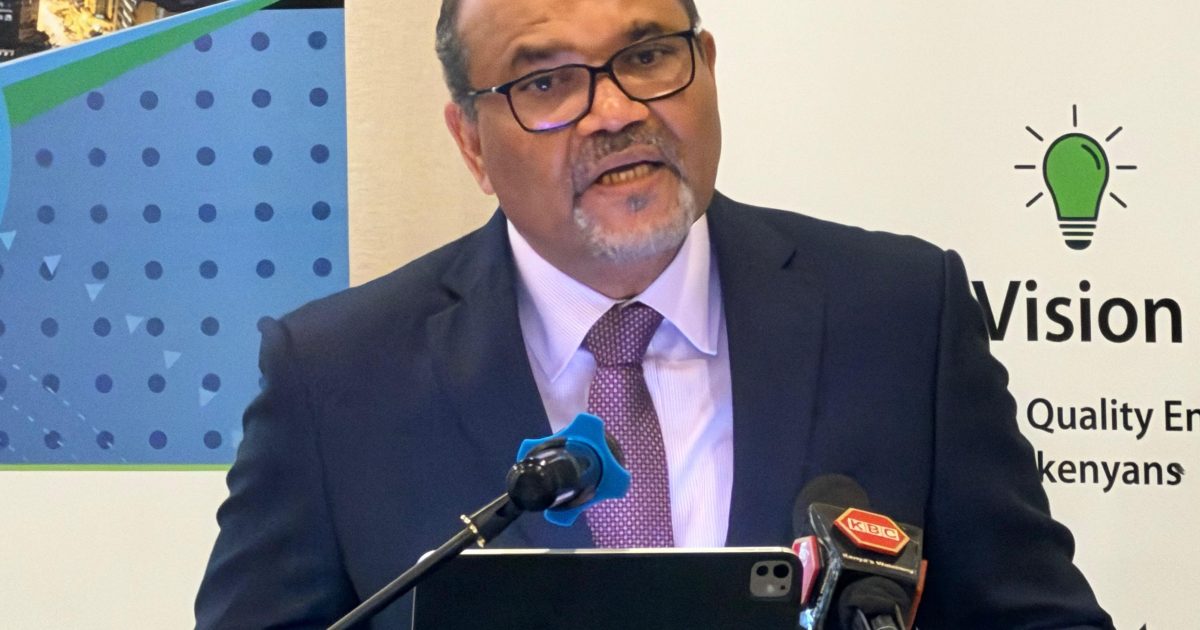
Principal Secretary for Science, Research and Innovation Prof Abdulrazak Shaukat said the facility will be a game changer for Kenya’s healthcare and industrialisation agenda despite its high cost.
“This is a mega project and you know very well that we already have a framework in Treasury for public-private partnerships. This is one of the projects that we are going to undertake through this arrangement,” Prof Shaukat said.
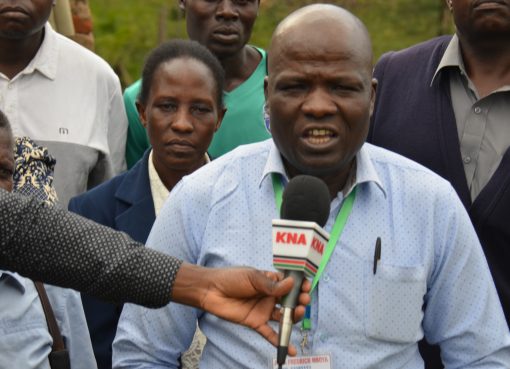
In an interview with KNA after the IAEA Integrated Nuclear Infrastructure Review Mission for a New Research Reactor Phase 2 hosted by the Nuclear Power and Energy Agency (NuPEA) in Nairobi, the PS defended the Sh. 80 billion price tag, saying the returns will be massive.
“When you look at this investment it is a huge amount of money. But you can see the dividends that we are going to get out of this. Can you imagine if we have our own centres of producing medical isotopes, and we don’t need to import anymore?” he posed.
Prof. Shaukat said Kenya records 43,000 cases of cancer annually across its 47 counties, with 20,000 deaths adding that having the reactor in place will be a game changer.
The project, he said was critical adding that nuclear science and technology will be central to Kenya’s industrialisation dream.
“We are on the trajectory of industrialising this country so that we can be able to move to the first world status. And if you have to do that science, technology and innovation must be at the centre of all this. Nuclear science technology is one of them,” he said.
The PS said Kenya is ready for the programme, noting the country has been a member of the International Atomic Energy Agency (IAEA) since 1965 and has trained personnel.
“It’s not something new that we are doing. Kenya has been a member of the IAEA since 1965. We have the capacity. We have people who have been trained to be able to run this but above all we have the International Atomic Energy Agency that continues to provide that support in terms of technical and of course building capacity and capability,” he said.
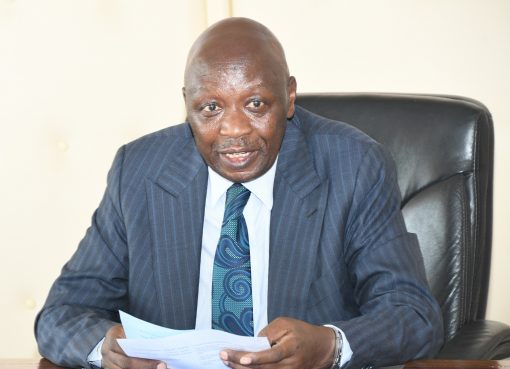
NuPEA Chief Executive Officer Justus Wabuyabo said the facility will boost medical tourism, with patients from Uganda, Tanzania, Ethiopia and other neighbouring countries seeking treatment in Kenya instead of India.
Wabuyabo said the research reactor will also serve as a training ground for the country’s first nuclear power plant.
“Kenya is going to ground-break for the first nuclear power plant of 2000 megawatts in Siaya next year, with the power going to the grid in 2034. The research reactor will be a very useful tool for training purposes. Instead of taking all our engineers and scientists to study abroad we can utilize this research reactor as a training ground for the workers in the nuclear power plant,” he said.
He allayed safety and environmental fears, saying the IAEA is guiding Kenya to ensure all safeguards are met before implementation.
“IAEA is the global nuclear organization that guides all nations in utilization of nuclear technology and they are here to help us work through the issues of safety and security. They and will ensure that before Kenya implements this project all safety and security features have been addressed,” he said.
The Konza City reactor, he said, will produce radioisotopes such as molybdenum-99 used in cancer diagnosis and treatment and support scientific research and industrial development.
Once developed, Kenya will join 55 countries that operate research reactors globally, eight of them in Africa.
By Chris Mahandara