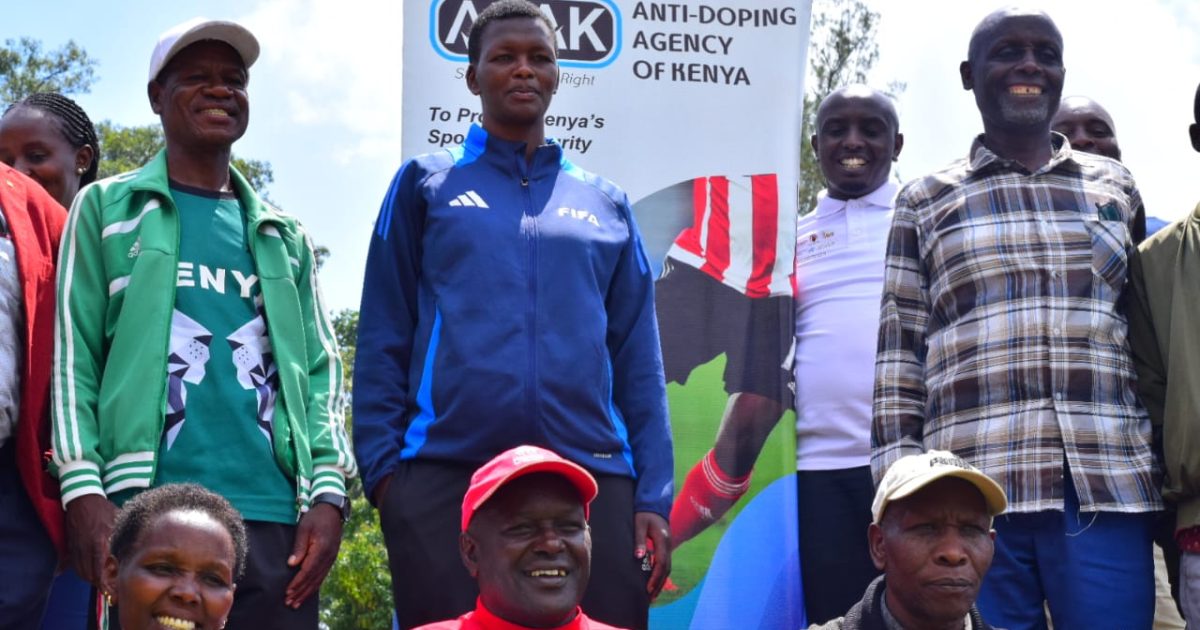
Athletes and coaches in Kericho want stiffer penalties imposed for doping offenses, arguing that the current sanctions were short of expectations to deter offenders.
The proposals were made during a public participation forum organized by the Anti-Doping Agency of Kenya (ADAK) to collect views on the proposed review of the Anti-Doping Act of 2016.
The participants aired several concerns that they proposed to be factored in the amendment of the Anti-Doping Act of 2016.
Speaking during a public participation forum held at the Kericho Teachers Training College, World Athletics U20 Championships gold medalist Vincent Keter urged Parliament to strengthen the Anti-Doping Act by imposing stiffer penalties on athletes and athlete support personnel found guilty by doping, saying tougher sanctions would help deter repeat offenders.
The middle distance runner who specializes in the 1500m and 800m track disciplines said some athletes are willing to take the risk of doping because they can win prize money pay the prescribed fines if caught and later return to competition, undermining efforts to protect the integrity of the sport.
“The penalties should be tougher. Some athletes take shortcuts by doping, win prize money and if they are caught, they simply pay the fine and continue with their careers. That is not enough to deter offenders or protect the integrity of athletics.” Keter said.
Athletics Kenya (AK) Kericho County branch Vice Chairman Gabriel Kiptanui who doubles up as an athletics Coach called for mandatory anti-doping sensitization programs in schools and athletics training camps, saying early education would instill ethical and moral values among athletes and their coaches.
He said the initiative would help create a culture of honesty and integrity in the sport while ensuring young athletes understand the consequences of doping early in their careers and carry the message of clean sport as they progress through the ranks.
“We should make anti-doping sensitization programs mandatory in schools and athletics training camps. This will instill ethical and moral values among athletes and their coaches, create a culture of honesty and integrity in the sport, and ensure young athletes understand the consequences of doping early in their careers so they can champion clean sport as they rise through the ranks.” said Kiptanui.
They recommended greater awareness of Therapeutic Use Exemptions (TUEs), saying many athletes still lack adequate knowledge about the process for using prohibited medications legitimately when medically necessary.
In an interview with ADAK Principal Education Officer Kennedy Mwai said the public participation forum was intended to gather views from athletes, coaches and other stakeholders on the proposed amendments to the Anti-Doping Act 2016.
He said several provisions of the Act require review to align them with the 2027 World Anti-Doping Code, adding that the views collected during the forum will inform the law-making process.
Mwai said the World Anti-Doping Code is the global framework that harmonizes the fight against doping in sport and it is reviewed every four years to address emerging challenges and strengthen anti-doping measures.
He said the latest edition of the Code has already been adopted by the World Anti-Doping Agency (WADA), requiring all signatories including national anti-doping organizations, to review and amend their domestic laws to align with its provisions.
The ADAK officer noted that the proposed amendments to Kenya Anti-Doping Act 2016 are intended to ensure the country’s legal framework remains compliant with the revised World Anti-Doping Code.
“Doping is a matter of national concern because of the number of athletes testing positive for prohibited substances. Kenya is a reputable sporting nation and that is why the government is taking the fight against doping very seriously.” Mwai said.
Among the areas proposed for amendment are provisions relating to sanctions and penalties for doping offences, anti-doping education and awareness, Therapeutic Use Exemptions (TUEs), investigations and results management and other sections aimed at aligning the Anti-Doping Act 2016 with the revised World Anti-Doping Code.
The views collected from Kericho athletes, coaches and other relevant stakeholders during the public participation is a constitutional requirement aimed at ensuring citizens contribute to the development of legislation.
Currently Kenya is in the category A of the World Anti-Doping Agency (WADA) compliance watch list since 2016 and so far neatly 130 Kenyan athletes mainly long distance runners have been sanctioned for drugs offences since 2017.
In June 2024, Kenya handed a life-time ban to marathon runner Beatrice Toroitich and a six year ban to 10km record holder Rhonex Kipruto.
By Sarah Njagi