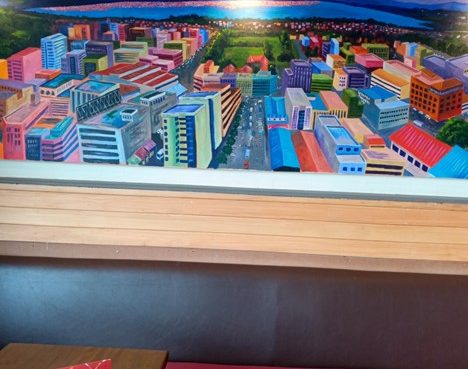
Kenya’s rapidly expanding urban centres are increasingly being challenged to integrate nature into buildings and neighborhoods as stakeholders seek solutions to rising temperatures, flooding, air pollution and the continued loss of natural spaces.
The United States National Institute of Building Sciences describes biophilic design as an approach that connects people with nature through the design of buildings and other spaces.
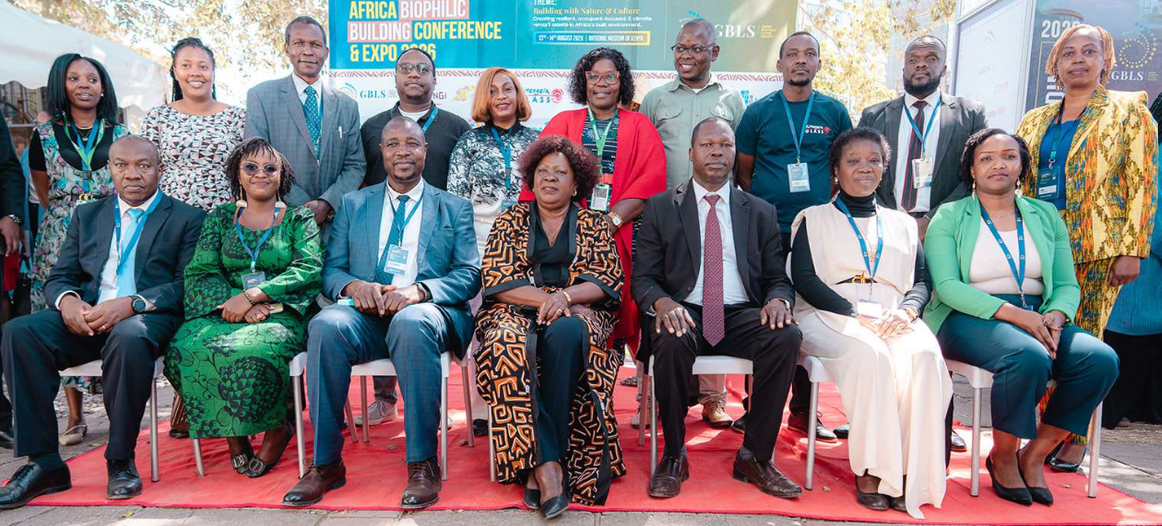
This conversation took centre stage during the Africa Biophilic Building Conference and Expo 2026 between August 13-14, convened in Nairobi by the Green Biophilic Living Society (GBLS).
It brought together professionals from the real estate, architecture, construction, urban planning, environmental sustainability and policy sectors to explore how nature and culture can shape the future of Africa’s built environment.
The two-day conference, held under the theme “Building with Nature and Culture,” focused on nature-centered and regenerative design, health and wellbeing, climate-smart developments, nature-positive construction materials and sustainable urban planning.
The expo was officially opened by Cabinet Secretary for Lands, Public Works, Housing and Urban Development Alice Wahome.
“We affirm the Government of Kenya’s commitment to supporting GBLS and anchoring biophilia and biophilic design as a way of life in Kenya,” CS Wahome said.
The Green Biophilic Living Society, a non-profit organization, was founded in Nairobi in 2025. Its founding Chair and Conference Convener Wangui Mwangi described the movement as an effort to mainstream biophilia within Africa’s built environment, bringing together architects, designers, policymakers and other practitioners to rethink how buildings and communities are developed.
Stella Kamau, a real estate professional who attended the expo, noted that biophilic design goes beyond landscaping or simply placing plants around a building.
“My biggest takeaway was that biophilic design is not simply about landscaping or adding plants to a development. It is about intentionally designing spaces that reconnect people with nature and enhance their everyday lives,” Kamau elaborated.
Some of these principles are already being incorporated into emerging urban developments in Kenya, including Tatu City, where Kamau works. She noted that biophilic living was integrated into the wider master plan rather than being treated as an afterthought.
“20 percent of the land has been set aside for green spaces. We integrate nature through green spaces, tree-lined roads, landscaped surroundings, pedestrian-friendly areas and the preservation of the indigenous trees,” she explained.
According to Kamau, incorporating natural light, ventilation, trees, walkways and green spaces has provided both lifestyle and economic benefits to residents and people working in Tatu City.
“Natural light and ventilation create healthier and more comfortable homes while reducing dependence on artificial lighting and air conditioning. Trees and green spaces can improve air quality, provide shade and help regulate temperatures.
“Walkways encourage residents to exercise, interact and build a stronger sense of community. Collectively, these features improve mental and physical well-being, make developments more attractive and can support higher occupancy, stronger rental demand and long-term property appreciation,” she added.
However, Kamau acknowledged that the wider adoption of nature-based approaches across Kenya’s real estate sector still faces significant challenges.
“One major barrier is the perception that biophilic design increases development costs or reduces the amount of land available for sale. Some developers may prioritize short-term returns and maximum construction density without considering the long-term value of green spaces,” she expressed.
Kamau believes that although biophilic design was previously marketed mainly as a luxury feature, changing environmental conditions are making it increasingly necessary.
“Kenyan cities are experiencing rapid urbanization, rising temperatures, air pollution, flooding and the gradual loss of natural spaces. Developments must therefore be designed to respond to these challenges while protecting residents’ health and quality of life,” she said.
The growing interest in nature-integrated development also comes as Kenya continues to push for climate action to be embedded in Africa’s wider development agenda.
Speaking during the Committee of African Heads of State and Government on Climate Change (CAHOSCC) in February this year, President William Ruto said Africa must take advantage of the opportunities presented by climate action while addressing the continent’s development needs.
“Our climate agenda is inseparable from development, energy access, and industrialization,” he added.
The President stressed the need for African countries to take on an approach which aligns with the sustainable infrastructure and urban development, as African cities continue to expand and face growing pressure from rising temperatures, flooding and environmental degradation.
By Rose Muthoni and Grace Naishoo