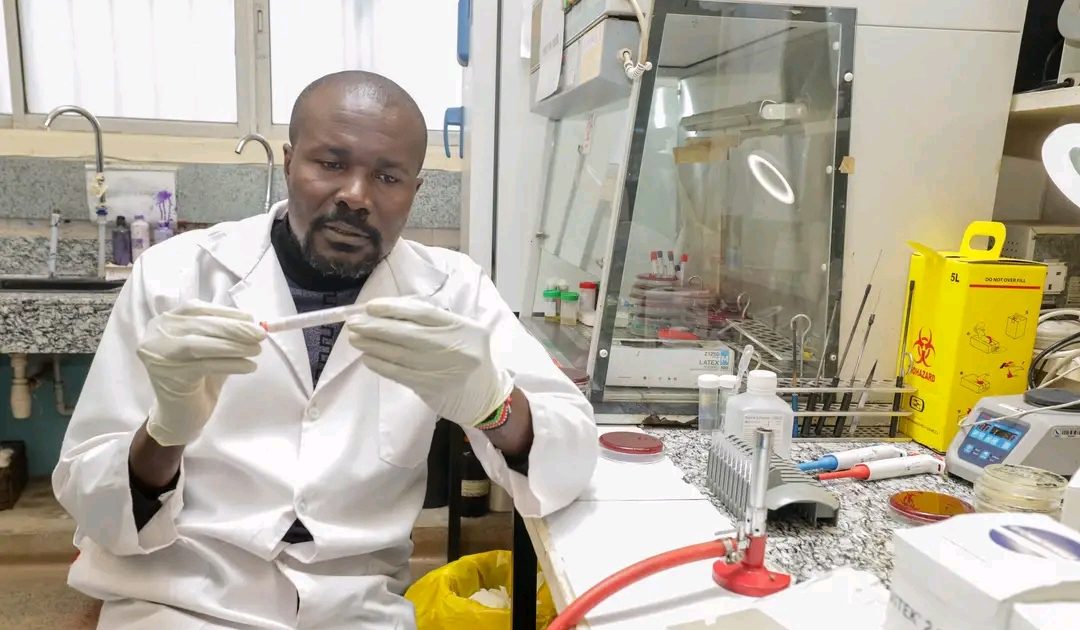
A new study conducted at Jaramogi Oginga Odinga Teaching and Referral Hospital has raised fresh concerns over the growing threat of antimicrobial resistance (AMR), warning that widespread use of non-laboratory-guided treatment in wound care is accelerating drug resistance in Kenya.
The research, led by Dr. Silas Awuor, reveals that many clinicians continue to rely on empirical antibiotic therapy, prescribing drugs without laboratory confirmation of the causative bacteria despite mounting evidence that the approach is becoming increasingly ineffective.
“Wound management continues to rely heavily on empirical antibiotic therapy, often without microbiological confirmation,” Dr. Awuor states in the study, cautioning that the practice is driving the emergence of resistant pathogens.
According to the findings, resistance to commonly used antibiotics such as ampicillin and cotrimoxazole has exceeded 90 percent in some wound infections.
The study also documents a rise in hard-to-treat organisms, signalling a shrinking arsenal of effective treatment options.
The research further highlights a growing mismatch between laboratory diagnostics and clinical decision-making, with many infections failing to respond to standard therapies.
This is particularly evident in chronic wounds such as diabetic ulcers and post-surgical infections, which are increasingly found to harbor multiple bacteria, many of them drug-resistant.
A major complicating factor identified in the study is the presence of biofilms, protective bacterial layers that shield pathogens from both antibiotics and the body’s immune system.
These biofilms, common in chronic wounds, significantly reduce the effectiveness of conventional treatment, often requiring physical removal through procedures such as debridement.
“Biofilms are a major reason why wounds fail to heal despite ongoing treatment,” the report notes, adding that their presence allows bacteria to persist and evolve resistance even under sustained antibiotic exposure.
While Kenyan healthcare providers have adopted innovative, low-cost interventions—including honey-based dressings and acetic acid applications—the study cautions that such measures, though beneficial, are insufficient to counter the underlying microbiological threat.
Central to the problem, researchers say, is the limited use of diagnostic tools such as culture and sensitivity testing, which are critical in identifying the specific bacteria involved and determining the most effective drugs to administer.
The study is now calling for a systemic shift toward microbiological stewardship—an approach that prioritizes laboratory-guided treatment, early diagnostic testing, and closer collaboration between clinicians and microbiologists.
Without such reforms, the research warns, antimicrobial resistance could lead to prolonged hospital stays, rising healthcare costs, and increased mortality.
With AMR already recognised as a global health crisis, the findings underscore the urgency of addressing the issue in resource-limited settings, where diagnostic gaps and treatment constraints are most pronounced.
“The future of wound care depends on moving from guesswork to evidence-based healing,” Dr. Awuor concludes, urging health systems to place microbiological stewardship at the centre of modern wound management.
By Chris Mahandara