The Church has been urged to play a central role in creating safe spaces where young people can openly discuss challenges affecting their health, well-being, and future.
Faith leaders under the Faith to Action Network, a global interfaith network committed to improving family health and well-being, said religious institutions have a wide community reach and trusted leadership structures that can influence social norms and promote positive behaviour among young people.
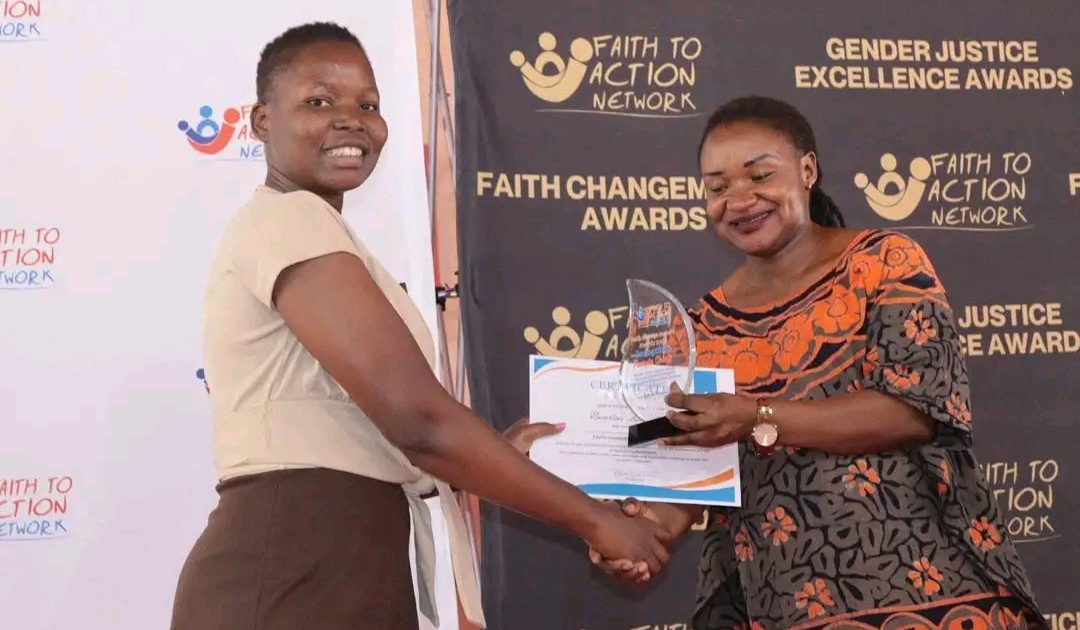
Speaking during a ceremony honouring church leaders for their contribution towards ending the triple threat of teenage pregnancies, HIV infections, and Sexual and Gender-Based Violence (SGBV) in Migori County, Faith to Action Network Coordinator Elphas Abayo said the Church should strengthen its engagement with adolescents through education and spiritual guidance.
Abayo said greater involvement of faith institutions in addressing challenges affecting the youth would help prepare them for responsible adulthood and ensure continuity of society.
He encouraged church leaders to guide young people towards responsible lifestyles and create platforms where adolescents could seek information and advice without fear of judgment.
Abayo also called on faith leaders to speak more openly about Sexual and Reproductive Health and Rights (SRHR), saying inadequate information on sexuality continued to expose young people to harmful practices.
“Parents should break the social norms and discuss openly about sexuality with their children rather than leaving the matter to the church and the school. As the church continues to create safe spaces for youth to express freely, society should help to bridge the gap and supplement what the church does,” he said.
He said parents, schools, churches, and communities needed to work together to ensure young people received accurate information and appropriate guidance on reproductive health, relationships, and personal safety.
Migori County Chief Officer for Special Programmes and External Partnerships Starlet Oduory commended faith leaders who have been involved in community outreach programmes, particularly efforts to combat Female Genital Mutilation (FGM), teenage pregnancies, and early marriages.
Oduory urged faith-based organisations to continue focusing on community development, youth education, strengthening family ties, and promoting responsible marriages.
She said the county government would continue advocating against harmful practices through programmes targeting vulnerable groups and addressing emerging challenges affecting young people.
Oduory said the county’s Kambi ya Vijana initiative had been addressing the triple threat of menstrual hygiene, mental health, and FGM among young people.
She noted that the Faith to Action Network had played an important role in promoting family health and child protection while helping address challenges that undermine education, health, dignity, and long-term socio-economic outcomes for young people.
“Faith institutions possess significant community reach, have trusted leadership structures, and influence social norms in changing behaviour in society,” she said.
Oduory said the county government would continue working with partners, including gender actors, to ensure young people were adequately educated on issues affecting their health, rights, and well-being.
Faith to Action Network official Sheenah Wangari urged county governments to strengthen partnerships with faith-based networks to bridge gaps affecting young people, particularly in reproductive health and Gender-Based Violence (GBV).
Wangari said faith institutions could provide safe spaces where cases of GBV could be reported and referred to relevant agencies for appropriate action.
She added that such spaces enabled young people to express themselves freely and seek assistance without fear of being judged.
Wangari said the network would continue training and equipping church leaders with skills to engage young people and provide accurate information to prevent them from relying on social media for answers to sensitive questions.
She said the Faith to Action Network would continue strengthening and empowering faith actors and partners across counties to establish effective youth outreach systems capable of addressing emerging challenges.
“Churches have a voice, and if that voice can be utilised well, a lot of issues in society can be addressed with the support of both the county and the national government,” Wangari said.
Her sentiments were echoed by Juma Musa, a Muslim cleric from Kuria, who said recognising faith leaders making a positive impact in society would motivate them to strengthen their efforts in nurturing, training and guiding young people.
By Makokha Khaoya