The Ministry of Labour and Social Protection is reviewing the National Policy on the Elimination of Child Labour (Sessional Paper No. 1 of 2015) to strengthen measures for protecting children from emerging forms of exploitation and child labour.
The review seeks to establish a comprehensive multi-stakeholder framework that brings together government agencies, employers, communities, families, faith-based organisations and civil society groups in preventing and eliminating child labour.
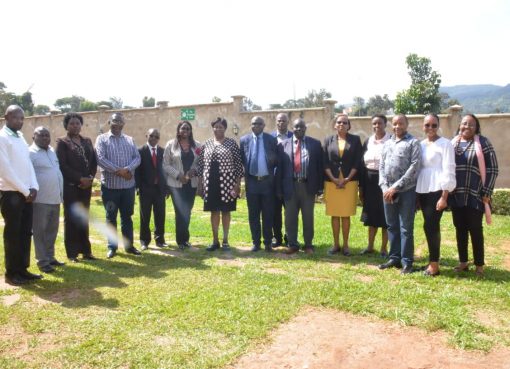
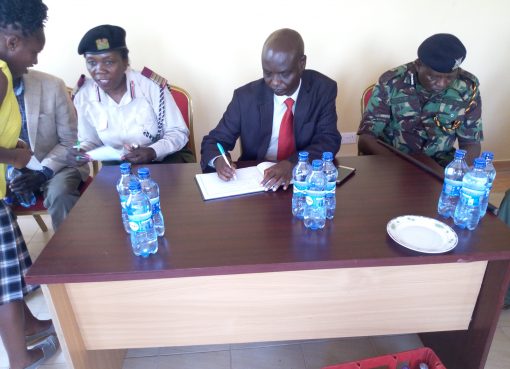
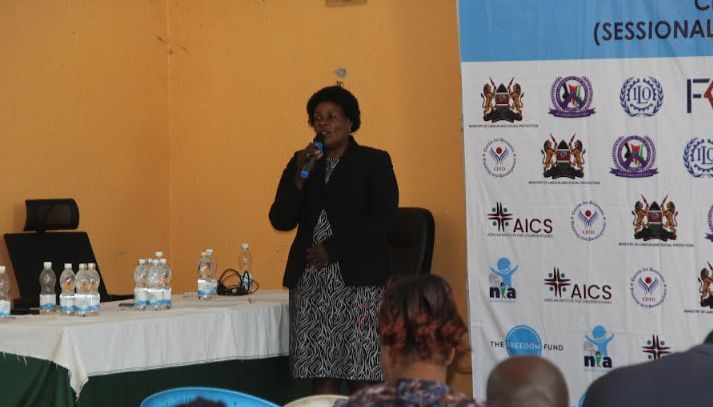
Speaking during a public participation forum on the review of the policy in Eldoret, Uasin Gishu County, Deputy Labour Commissioner Grace Mweresa said changing economic and social realities had created new vulnerabilities requiring regular review of government policies.
She said views gathered from stakeholders would inform the development of a stronger, responsive and evidence-based policy framework capable of addressing emerging forms of child labour.
“We are here to listen. Please share your experiences and recommendations on the emerging forms and sectors affecting children,” Mweresa said.
She noted that children continued to face risks in sectors such as fishing, transport, mining and other informal activities, where cases of child labour could remain hidden and difficult to detect.
Mweresa said authorities needed to establish where children were working, why they were engaged in such activities, who was employing them and the factors making them vulnerable.
“This will help us understand the situation and develop measures to prevent and eliminate child labour,” she said.
She said the public participation exercise was not intended to provide a platform for government officials to dictate solutions but to allow communities and other stakeholders to share their experiences and propose practical interventions.
Mweresa called for stronger coordination among institutions responsible for child protection, saying a multi-sectoral approach was necessary to identify and address hidden forms of child labour.
She urged stakeholders to assess the effectiveness of existing interventions, facilitate the removal of children from exploitative work, and ensure they have access to education, healthcare, and social protection.
The Deputy Labour Commissioner also called for measures to address vulnerabilities affecting children in informal settlements, transit areas, and communities exposed to migration-related risks.
She reminded employers of their responsibility to comply with labour laws and ensure children were not subjected to exploitative or hazardous work.
“The elimination of child labour is a critical issue. Government must provide the necessary framework, while employers must comply with labour laws and ensure that children are protected,” Mweresa said.
She said children should grow up in safe and supportive environments, noting that protecting them from exploitation was essential to safeguarding their dignity, education, safety, and future opportunities.
Uasin Gishu stakeholders led by County Labour Officer Carolyne Chemursoi called for increased resources for the Children Services Department to strengthen interventions targeting vulnerable children.
They also proposed the establishment of a children protection desk at every police station to ensure child-related cases receive specialised attention.
The stakeholders further called for stronger grassroots administrative structures, including Nyumba Kumi, to help identify and prevent child labour within communities.
Chemursoi said efforts to combat child labour should begin at the family level by ensuring children’s basic rights are met.
“Let’s start from the family level because that’s the entry point. If we provide our children with all that pertains to their rights, like taking them to school, food, and shelter, we shall be able to curb any forms of child labour,” she said.
The stakeholders acknowledged that the existing National Policy on the Elimination of Child Labour had contributed to stronger enforcement teams on the ground, renewed national leadership, support for vulnerable families, increased inspections, and international commitment to eliminating child labour.
However, they identified weak enforcement, hidden forms of child labour, inadequate coordination among agencies and insufficient funding as some of the challenges limiting implementation of the current policy.
They said the policy review was necessary because new forms of child exploitation had emerged since the policy was introduced in 2015.
Stakeholders cited increased exploitation of children through the internet, fake job recruitment schemes, and abuse through mobile phones and social media platforms as emerging threats requiring stronger interventions.
They also noted that climate change and droughts and floods were increasing the vulnerability of poor households, with some families being forced to send children to work or enter early marriages.
The COVID-19 pandemic and prolonged school closures, coupled with rising poverty, were also cited as factors that pushed more children into work.
Stakeholders further noted that more children were increasingly engaged in urban informal activities such as hawking, waste picking, and domestic work.
They said the current policy should also reflect Kenya’s emerging national and international commitments, including the Durban Call to Action (2022), Sustainable Development Goal 8.7, and the Children Act, 2022.
The stakeholders said aligning the policy with these legal and international frameworks would strengthen Kenya’s response to child labour and ensure emerging forms of exploitation were effectively addressed.
By Ekuwam Sylvester