Kenya has reaffirmed its commitment to clean and credible sport, even as it prepares to host major international competitions including the 2027 Africa Cup of Nations (AFCON) and the 2029 World Athletics Championships.
This is expected to further raise the country’s international sporting profile, making the strengthening of anti-doping systems a key priority as preparations for the two events gather pace.
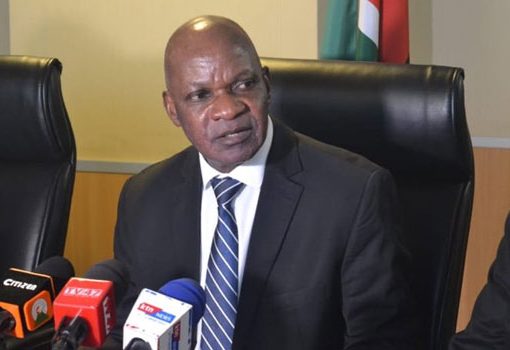
Youth Affairs, Creative Economy and Sports CS Salim Mvurya said the government will continue strengthening the Anti-Doping Agency of Kenya (ADAK) while expanding testing and education programmes and working with the World Anti-Doping Agency (WADA) to safeguard the integrity of Kenyan sport.
Mvurya said Kenya’s growing profile as a global sporting powerhouse came with a responsibility to ensure athletes compete fairly and win with integrity.
“Sportsmen and women have to win with integrity, and therefore we are promoting clean sports,” said the CS during a media briefing after a recent visit by the President of the World Anti-Doping Agency, Witold Bańka, in Nairobi.
He said the government had been implementing a roadmap of action plans since 2025 to strengthen ADAK and would continue providing the agency with the institutional and financial support needed to fulfil its national and international obligations.
Mvurya said Kenya was also reviewing its anti-doping policy and legislation, ahead of the implementation of a new WADA Code in 2027.
“We have already worked out, and we are working with Parliament to make sure that we are able to domesticate and situate the new framework within our legislation,” he said.
The CS said the government was adopting a multi-agency approach to combating doping, bringing together stakeholders involved in intelligence gathering, investigations, enforcement and prevention.
He said the approach was necessary as Kenya’s investment in sport grows and athletes are offered greater financial incentives, which could increase the temptation for some competitors to seek unfair advantages.
He said the government will also continue building ADAK’s capacity and working closely with WADA to strengthen its operations.
Mvurya said the government remained committed to creating an ecosystem that combines prevention, education, effective investigations and enforcement.
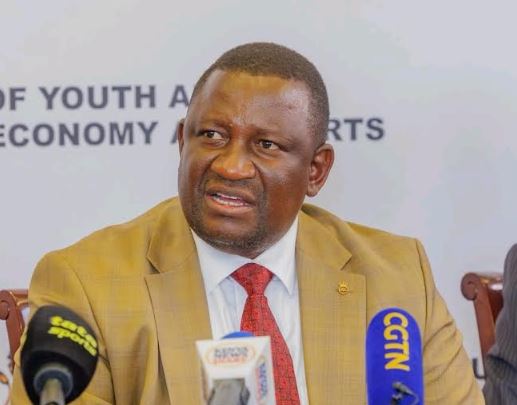
On his part, WADA President Witold Bańka called for tougher action against individuals and networks producing, trafficking and smuggling illegal steroids to Kenyan athletes, saying the fight against doping requires a coordinated response from multiple government agencies.
He said Kenya’s growing prominence as a sporting nation and host of major international competitions comes with a greater responsibility to protect the integrity of sport.
“Kenya proudly calls itself the Home of Champions. But for that home to remain respected and credible, it must also be clean. That is why Kenya needs a strong culture of clean sport, zero tolerance for doping and a more determined approach to preventing and fighting doping,” said Bańka.
He said ADAK and WADA could not win the fight against doping alone, particularly when dealing with networks involved in the production, trafficking and smuggling of illegal steroids.
“We need strong support of the law enforcement,” Bańka said, stressing the need for closer cooperation between anti-doping authorities and agencies with the powers to investigate and prosecute offenders.
Director of WADA’s Intelligence and Investigations Department Günter Younger said athletes were often the most vulnerable players in the doping chain and that WADA had consequently adopted a top-down strategy targeting the supply of performance-enhancing drugs to coordinate investigations.
“The concept is quite easy. Just bring national anti-doping agency experts and law enforcement together to share intelligence and let them work out the synergies and the way how they can work with each other and help each other,” he said.
Younger said the approach, which was first tested in Europe before being expanded to Asia and other regions, had resulted in about 250 operations globally and the seizure of more than 90 tonnes of performance-enhancing drugs.
The director said the operations had prevented more than 1.8 billion doses of performance-enhancing drugs from reaching the market, noting that is a big success.
He said Kenya is now being brought into the initiative, with WADA providing technical knowledge and supporting the country in developing stronger cooperation between anti-doping authorities and law enforcement agencies.
By Anita Omwenga (MyGov)