Kenya will next week host the International Maternal, Newborn and Child Health Conference (IMNHC 2026), bringing together global leaders, policymakers, researchers and health experts to accelerate action towards improving maternal and newborn health outcomes.
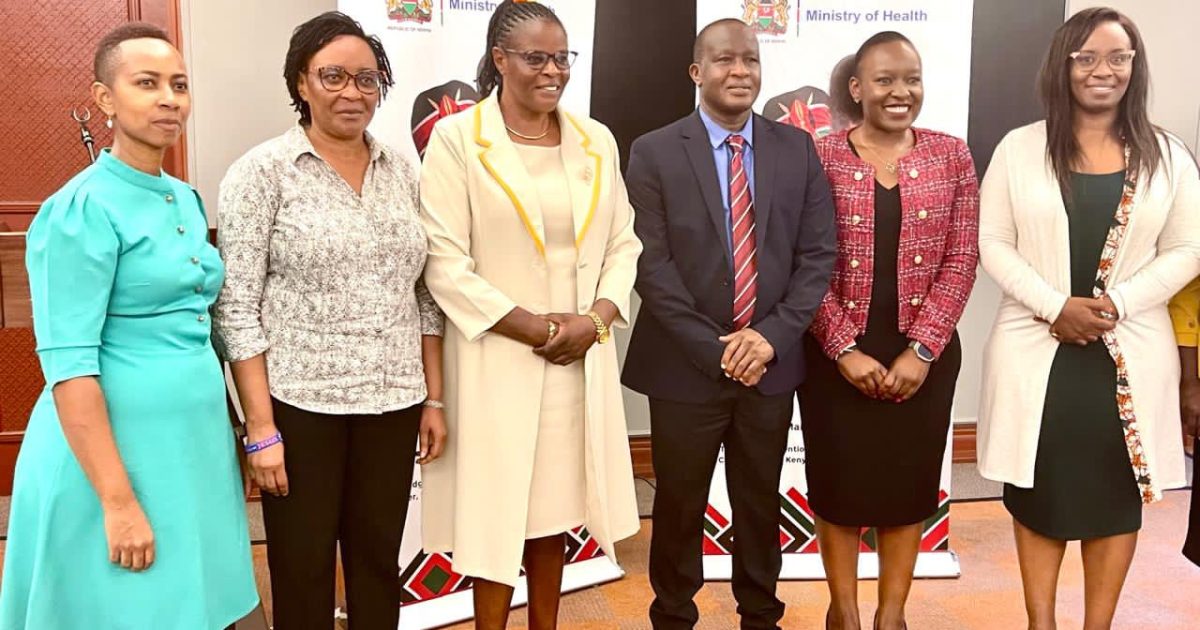
Speaking during a media briefing in Nairobi, Head of Reproductive, Maternal, Newborn and Child Health at the Ministry of Health, Dr. Edward Serem, highlighted the importance of the conference as a platform to assess progress, share solutions and strengthen partnerships aimed at reducing preventable maternal and newborn deaths.
Dr. Serem noted that while Kenya has made progress in improving maternal and newborn health indicators, challenges remain, particularly in ensuring quality of care, strengthening referral systems and sustaining financing.
“Why are preventable deaths still occurring within our facilities? How do we ensure no mother or newborn is lost in transit?” he posed, emphasising the need for continued focus and coordinated action across national and county levels.
The conference will take place from March 23 to 26, 2026 at the Edge Convention Centre, Nairobi, and is expected to attract over 1,800 delegates from more than 100 countries.
Importantly, Dr. Serem observed that maternal and newborn health remains a critical priority, noting that an estimated 15 mothers and 92 newborns die daily in Kenya, largely from preventable causes.
“These are not just numbers. Every loss is a family devastated and a future cut short,” he asserted.
Further, he underscored the importance of scaling low-cost, high-impact interventions, strengthening health systems, and enhancing accountability to ensure improved outcomes for mothers and newborns.
Meanwhile, the IMNHC 2026 comes at a time when global progress in maternal and newborn health has slowed, with many countries working to sustain gains and accelerate progress towards the 2030 Sustainable Development Goals.
Kenya will also use the conference to showcase ongoing reforms, including the RMNCAH+N Investment Case and the Every Woman, Every Newborn (EWENE) Strategy, which focus on improving access, quality and equity in maternal and newborn health services.
On the other hand, Dr. Serem stressed the role of the media in supporting the maternal and newborn health agenda through informed reporting, raising awareness and amplifying community voices.
“The media plays a critical role in shaping public discourse and promoting accountability in health,” he affirmed.
The conference is expected to generate renewed commitments and strengthen collaboration among countries and partners to accelerate progress towards ending preventable maternal and newborn deaths.
By Michael Omondi