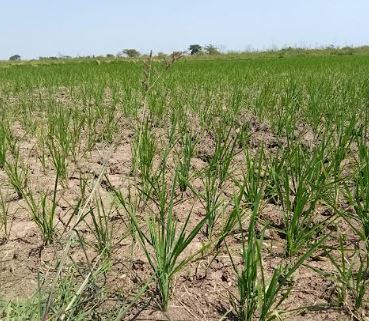
Farmers at the Masune irrigation scheme in Awasi/Onjiko ward, Kisumu County want the county government to complete the stalled Sh3.5 million irrigation project to supply water to hundreds of acres of rice fields.
The farmers have expressed frustration over lack of water to grow rice, claiming that their livelihoods are now at stake after waiting for so long and they are now at the risk of losing their rice crop, which is at the flowering stage.
The scheme covers approximately 368 acres under rice farming across the Awasi/Onjiko and East Kano Wawidhi wards.
They claim that funds were allocated for the project, but water has not yet reached their farms over the last six months and the contractor is nowhere to be seen.
They are now appealing to the County government, through the Department of Agriculture and Livestock, to intervene and expedite the completion of the project.
Michael Sep, one of the protesting farmers, said that the project did not deliver water to the farms as initially promised and they are yet to get answers from the concerned authorities.
“Rice farming is our main source of livelihood that we depend on to feed our families and pay for children’s school fees. Lack of irrigation water is an economic setback in rice production,” Sep said.
He added, “This is not a request for charity. It is just a request for the county government to complete the stalled project. The money was allocated, and all that farmers want is water to their farms.”
Another farmer, Jacinta Atieno, said that local leaders have not taken any action on their grievances, despite repeated requests for assistance.
“When we need politicians, we don’t see them here, and when they come here during campaign periods, they promise us development. We have no income, our children have been sent home for school fees, without water we cannot do farming,” Atieno lamented.
According to Beatrice Achieng Ouma, local women were hardest hit by the current crisis because they are normally forced with a myriad of challenges when feeding their families.
“We had high hopes in this irrigation project. If it is not completed in time, many families will suffer untold losses,” she remarked.
By Lameck Omullo and Wendy Awuor