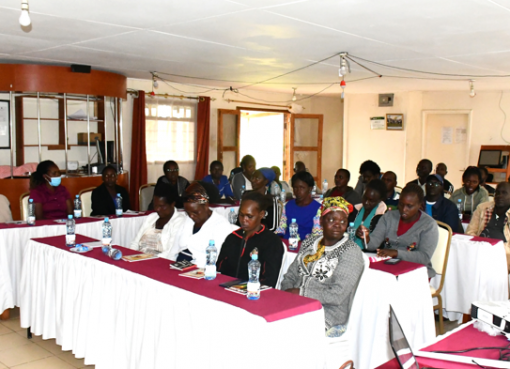
Residents of St Victoria Kibingei and Kabunyeria areas in Tinderet Sub County are expressing renewed hope following the dropping of power poles under the government’s Last Mile Electricity Connectivity Programme.
The delivery of the poles marks a critical step toward connecting hundreds of households to the national grid, ending years of reliance on kerosene, solar lamps and costly generators. The project, spearheaded by Kenya Power, is part of the national government’s plan to expand electricity access to rural communities.
Kenya Power’s Nandi County Area Manager Eng. David Kiptoo said the exercise signals the start of intensive works on the ground.
“The dropping of poles is a major milestone. The next phase will involve erection of the poles, installation of transformers and stringing of conductors before we begin household connections,” he said.
He noted that the Last Mile programme targets homes located near existing transformers and ensures affordable connection fees.
“Electricity is not just about lighting homes; it supports businesses, improves security and enhances learning in our schools,” Eng. Kiptoo added, while urging residents to protect the materials from vandalism.
Tinderet Member of Parliament Julius Melly welcomed the development, describing it as a transformative investment in rural infrastructure. He said expanding electricity connectivity remained central to bridging development gaps between urban and rural areas.
“Access to reliable power will unlock economic opportunities for our people, especially in value addition and small enterprises,” Melly said as he pledged to continue lobbying for additional transformers to ensure more households benefit in subsequent phases.
Tinderet Ward MCA Langat Kipruto echoed the sentiments, saying the project would uplift livelihoods in the two areas.
“Our youth will now be able to run welding workshops, barber shops and other businesses that depend on electricity. This is real empowerment at the grassroots,” he said.
Kabunyeria Location Chief Joseph Kibet termed the project as long overdue, noting that improved lighting would enhance security in the villages and trading centres.
“This is something our community has waited for. With electricity, we expect better security and improved living standards,” he said.
At St Victoria Kibingei, church and community leader Mary Chepkemoi highlighted the benefits to institutions saying, “Our schools and churches will now operate more effectively. Learners will have ample time to study, and health facilities will improve service delivery,” she said.
Local traders also expressed optimism that the availability of electricity would lower operational costs and allow them to expand their businesses.
With the poles already dropped and groundwork underway, anticipation remains high among residents, with many looking forward to the day when their homes and businesses would finally be connected to the national grid, ushering in a new chapter of socio-economic growth.
By Sammy Mwibanda