More than 300 girls from Wamba in Samburu East Sub-County have transitioned to womanhood through an Alternative Rite of Passage (ARP) that excludes the physical cutting associated with Female Genital Mutilation (FGM), in efforts to end the harmful practice.
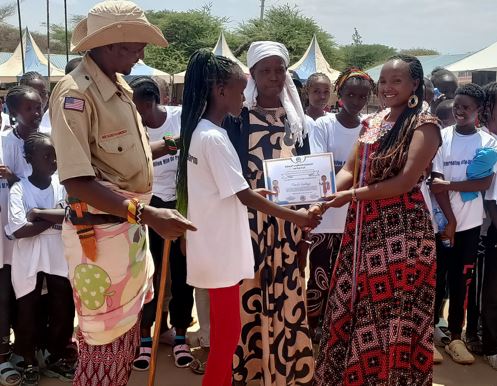
Speaking at Ntepes Primary School during the graduation of 96 girls from the ARP programme, Ramat Empowerment Initiative Executive Director Josephine Naramat said the initiative celebrates girls’ transition to womanhood through education and mentorship without subjecting them to FGM.
Naramat said the programme does not seek to undermine Samburu culture but aims to eliminate the harmful aspect of FGM, which has traditionally been used to mark the transition from childhood to adulthood.
She thanked Samburu elders for embracing the alternative rite, saying their support had been instrumental in the success of the programme.
“When we started, we were teaching about the negative effects of FGM and the community challenged us to give an alternative, and that’s how we introduced ARP with the full support of the community,” she said.
Naramat said girls aged between 12 and 15 years attend mentorship camps where they are taught about education, life skills, sexual and reproductive health, their legal rights and ways of avoiding early marriage.
She said after completing the programme, the girls are issued certificates before traditional elders and community leaders participate in a cultural prayer ceremony where they bless them with milk.
Twelve-year-old Pascalina Namaiya said ARP was better than FGM because it equips girls with life skills and enables them to remain in school, unlike the traditional practice, which she said often resulted in early marriage.
Namaiya said she would become an anti-FGM champion in her community after graduation and educate her peers while speaking against Gender-Based Violence (GBV).
The ARP programme, which started in 2025, has so far seen 306 girls graduate, with graduation ceremonies held two or three times annually.
Community leaders attending the ceremony said continued support from elders had been critical in changing attitudes and encouraging more families to choose the alternative path for their daughters.
By Robert Githu