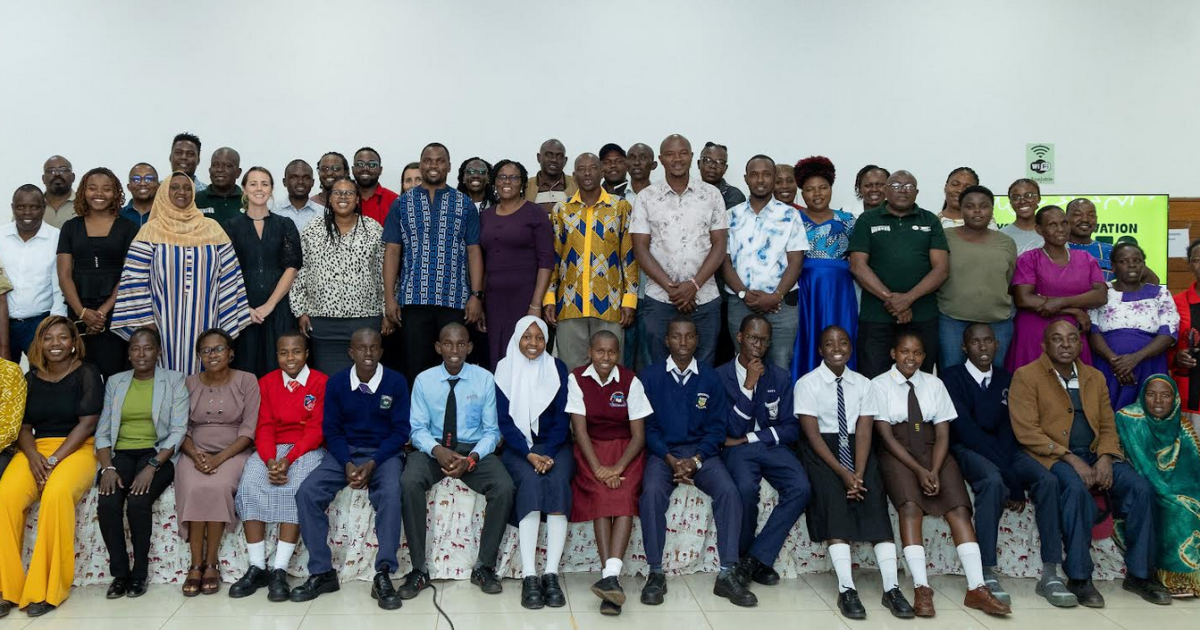
Five students from counties bordering the Tsavo ecosystem have been awarded conservation scholarships, to promote wildlife protection and nurture a new generation of environmental stewards.
The nominees were unveiled during the launch of the Second cohort of the Young Conservation Heroes Scholarship in Voi, an initiative by the African Wildlife Foundation (AWF) in partnership with Wildlife Clubs of Kenya.
The programme targets learners living near wildlife habitats, offering fully funded secondary education, mentorship and seed funding to support community-based conservation projects.
Speaking during the launch, AWF Kenya Country Director, Nancy Githaiga, said the initiative seeks to empower young people to influence conservation efforts within their communities.
She noted that communities living near wildlife often bear the burden of human-wildlife conflict, underscoring the need to involve them in conservation solutions.
The scholarship is part of a broader programme targeting over 83,000 learners across 137 schools in the Tsavo landscape, aimed at strengthening wildlife clubs and fostering a conservation culture among young people.
AWF Associate Director for Conservation Education and Youth Leadership, Simangele Msweli-Ratsoana, said investing in youth is critical to securing the future of conservation in Africa.
She observed that with a large proportion of Africa’s population being young people, empowering them with knowledge and skills would ensure long-term environmental stewardship.
Wildlife Clubs of Kenya, Conservation Programmes Director, Dr. George Njagi, said the initiative is designed to build a pipeline of future conservation leaders capable of addressing emerging challenges such as climate change.
He added that youth involvement is key in advancing sustainable solutions and promoting responsible environmental practices.
The initiative aligns with the government’s agenda on climate action, environmental conservation and youth empowerment under the Bottom-Up Economic Transformation Agenda (BETA).
Stakeholders expressed optimism that youth-led initiatives will play a key role in reducing human-wildlife conflict and strengthening conservation efforts within the Tsavo landscape.
By Arnold Linga Masila