
Kericho’s fast-rising coffee economy is facing a fresh storm after leaders from the county’s expansive Kipkelion coffee belt sounded the alarm over alleged illegal cherry buying and the emergence of unlicensed coffee buying centres.
The leaders warned that the trend could cripple cooperative societies, expose farmers to exploitation and destabilize one of the region’s most promising agricultural sectors.
Speaking at the Kericho County Assembly grounds, Kamasian Ward MCA and Majority Leader Philip Rono accused unscrupulous coffee dealers of attempting to penetrate coffee-growing zones in Kipkelion West and Kipkelion East through the establishment of unauthorized buying and pulping centres.
Rono said the traders were strategically targeting rapidly expanding coffee zones such as Kamasian, Kunyak and neighboring wards where farmers have increasingly embraced coffee farming due to improved earnings and strong international demand for Kenyan coffee.
“Coffee is not like maize or beans where anyone can move around opening buying centres. Coffee is a regulated crop under Kenyan law because of its value, traceability requirements and the need to protect farmers from exploitation,” said Rono.
The MCA cited provisions of the Coffee Act of 2026, which criminalizes unauthorized cherry buying outside licensed cooperative societies, factories and approved marketing channels. The law requires all actors in the coffee value chain, including buyers, millers, processors and exporters, to obtain licenses from relevant authorities.
Rono warned that direct roadside cherry buying could destroy the cooperative system that has sustained thousands of smallholder coffee farmers through collective bargaining, centralized milling, extension services and annual bonus payments.
“Middlemen often buy cherries cheaply from desperate farmers during harvesting seasons, only to return later and dictate prices after cooperatives collapse. That is exactly what this law was designed to stop,” he said.
According to the MCA, unregulated coffee buying also poses a major threat to traceability and quality control, two factors that increasingly determine Kenya’s competitiveness in international coffee markets.
“Unregulated coffee markets make it difficult to trace the origin of coffee and maintain quality standards demanded by international buyers,” Rono stated.
Kenya’s coffee sector has in recent years faced heightened scrutiny from global buyers and regulators, particularly in Europe, where new sustainability and deforestation regulations require exporters to demonstrate full traceability of agricultural products from farm to market.
Agricultural experts observe that Kenya’s premium Arabica coffee continues to command high prices globally due to its distinct flavor profile, acidity and quality. The crop has increasingly become attractive to farmers in Rift Valley counties, including Kericho, where many growers are diversifying away from overreliance on tea farming.
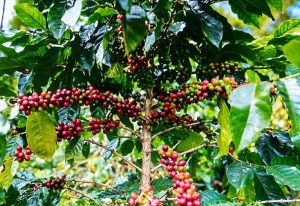
For decades, Kericho has remained synonymous with tea production, with thousands of farmers supplying green leaf to multinational tea companies and cooperative factories. However, fluctuating tea earnings, rising production costs and delayed payments have pushed many households to explore coffee farming as an alternative source of income.
The Kenya News Agency established that the renewed interest in coffee farming across Kericho has significantly expanded acreage under the crop, particularly in Kipkelion East and Kipkelion West constituencies, where local leaders say production volumes have continued to rise steadily.
Rono linked the emergence of unauthorized buying centres to growing fears of coffee theft, noting that similar practices had previously triggered tensions in other coffee-growing regions, especially in Mt Kenya.
“Once buying centres are opened everywhere and cash transactions dominate, coffee theft becomes impossible to control because no one will know where the cherries came from,” he warned.
He said cooperative societies and institutions such as the Kipkelion Coffee Mill had invested heavily in infrastructure, processing plants and employment opportunities, adding that bypassing established systems could destabilize the local agricultural economy.
“All these employees hired by cooperative societies and milling plants depend on this value chain. If direct cash buying is allowed, the entire cooperative structure will collapse,” he added.
Londiani Ward MCA Vincent Korir also defended the cooperative model, saying the larger Kipkelion region was steadily emerging as a major coffee production zone that required protection from illegal traders and cartels.
“As a member representing Londiani Ward, we are also coming up strongly on coffee. The larger Kipkelion is becoming a major coffee region and we cannot allow unscrupulous business people to interfere with the sector,” said Korir.
Korir called on the Agriculture and Food Authority (AFA), the County Government of Kericho and regulators within the coffee sector to strictly enforce the law and shield farmers from exploitative practices.
“The regulations clearly state that the coffee sector should operate under cooperatives because of traceability and international export requirements. If quality is interfered with, buyers may reject our coffee and prices will decline,” he said.
The MCA noted that coffee farming was increasingly transforming livelihoods in the region after years in which many farmers underestimated the crop’s economic value.
“For many years, people did not understand the value of coffee, but today coffee is generating millions of shillings in our area and farmers are beginning to appreciate its importance,” Korir observed.
He maintained that cooperative societies belonged to farmers and any attempt to weaken them amounted to attacking the economic future of coffee-growing communities.
“The cooperative is owned by the farmer. The moment we allow outsiders to destroy cooperatives, it means they want to destroy our lives and our livelihoods,” he said.
The concerns emerge amid ongoing national reforms aimed at revitalizing Kenya’s coffee sector through improved farmer payments, stronger regulation, enhanced transparency and elimination of exploitative middlemen who have historically benefited more from the crop than producers themselves.
Leaders from Kericho now believe that the county’s expanding coffee sector could become a major pillar of economic growth if protected through strict regulation, strong cooperatives and investment in value addition and processing.
With global demand for high-quality and traceable coffee continuing to rise, stakeholders say the future of coffee farming in Kericho will largely depend on safeguarding farmer interests while strengthening cooperative systems capable of sustaining production, protecting quality and ensuring growers receive maximum returns from one of Kenya’s most valuable export crops.
By Gilbert Mutai