More than 1,500 students at Moi Isinya Girls Secondary School are set to benefit from improved access to safe and reliable water following the rehabilitation of the institution’s borehole and water supply system.
The water project, rehabilitated by the Rotary Club of Nairobi, Thika Road, seeks to address persistent water shortages that have for years affected learning, sanitation and daily operations at the school.
Speaking during the commissioning, the club’s President Ruth Munyi, said access to reliable water was essential in improving the welfare and academic performance of learners.
She noted that the initiative would help improve hygiene and sanitation standards in the school while ensuring students and staff have adequate access to clean water.
“Water is a critical element in learning as it improves the lives of the learners and we are here to bridge the gap,” said Munyi.
The President noted that many schools continue to face water challenges, especially during dry seasons, adding that partnerships between learning institutions and development organisations are important in addressing such challenges.

She affirmed the Rotary Club’s commitment to supporting projects that directly impact communities, particularly in the areas of education, health and water access.
The school’s Chief Principal Alice Saoyo, said the school had been grappling with water challenges due to a faulty water system that led to massive wastage.
She said the rehabilitated borehole and water pump had significantly improved water supply in the institution, easing disruptions that had previously affected daily operations.
“Before the tank was repaired, the school faced serious water challenges and a lot of water was going to waste due to leaks,” said Saoyo.
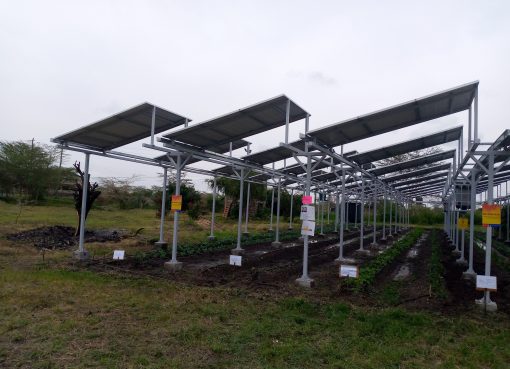
Saoyo further noted that the steady supply of water had improved food security in the school through irrigation farming.
“The availability of reliable water has enabled us to grow crops such as cabbages, tomatoes, kales and coriander within the school. We are now self-sufficient and the school is able to meet part of its food needs through farming,” she said.
By Rop Janet