East African Community (EAC) member states will next week converge in Mwanza, Tanzania, for the inaugural Lake Victoria Day celebrations aimed at rallying the region around the protection and sustainable use of Africa’s largest freshwater lake.
The four-day event, scheduled for May 18 to 21 at the Nane Nane Grounds in Mwanza City, is expected to draw government ministers, principal secretaries, environmental experts, civil society groups, development partners, researchers, innovators, and private sector players from across the region.
High-level delegations from EAC Partner States are also expected to attend the landmark event focused on conservation, climate resilience and the blue economy.
Organised by the Lake Victoria Basin Commission (LVBC) in partnership with the Government of the United Republic of Tanzania, the celebrations are expected to spotlight the growing urgency of safeguarding Lake Victoria amid mounting environmental degradation, climate change pressure and rising demand for the lake’s economic resources.
The fete is to be held under the theme Shared Waters, Shared Future: Uniting for a Sustainable Lake Victoria Basin, the event seeks to strengthen regional cooperation in conservation, pollution control, fisheries management and climate resilience.
The celebrations come at a time when communities around the lake continue to grapple with declining fish stocks, water pollution, invasive weeds, poor waste disposal, and the effects of erratic weather patterns linked to climate change.
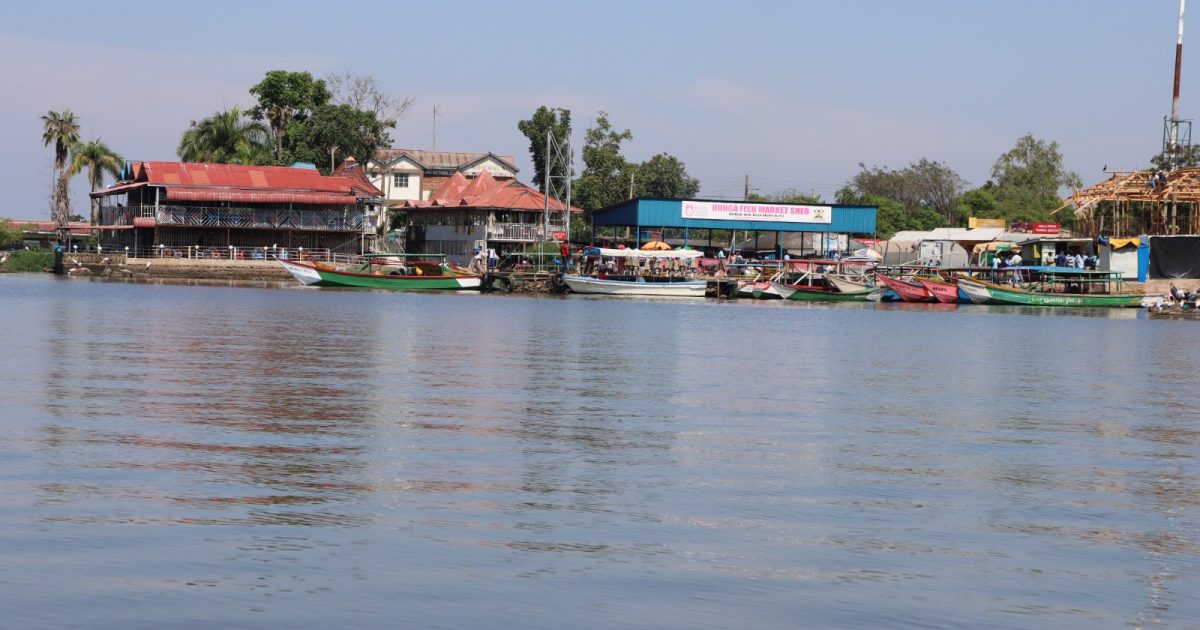
Lake Victoria, shared by Kenya, Uganda and Tanzania, remains a critical economic lifeline for millions of people through fishing, transport, agriculture, trade, and tourism.
Organisers say the inaugural event seeks to position the lake at the centre of the East African Community’s blue economy agenda while promoting inclusive development involving youth, women and local communities.
The programme will feature exhibitions and innovation fairs running from May 17 to 21, showcasing technologies and best practices in environmental conservation, renewable energy, fisheries and waste management.
Research institutions, private sector players, civil society organisations and innovators from across the region are expected to present solutions aimed at restoring the health of the basin while creating sustainable livelihoods.
Particular focus will be placed on youth- and women-led innovations, with the celebrations intended to encourage wider community participation in environmental stewardship.
Community clean-up exercises and tree-planting activities will be carried out along Mwanza’s lakeshore, with similar activities expected to take place across all riparian East African Community Partner States.
School essay and art competitions have also been lined up to raise awareness among young people of the importance of protecting the lake and its ecosystems.
Cultural performances by troupes from across the East African region will form part of the celebrations, highlighting the shared heritage and cultural ties among communities living around the lake.
A stakeholders’ forum bringing together civil society organisations, utilities, youth groups, women’s organisations and development partners will be held on May 19 to discuss emerging environmental and socio-economic challenges facing the basin and propose priorities for regional action.
This will be followed by a donor roundtable on May 20, during which the LVBC will outline ongoing programmes, strategic priorities and progress in the development of its Strategic Plan V.
The climax of the celebrations on May 21 will be a high-level ministerial segment bringing together ministers responsible for water, environment, fisheries, maritime affairs and East African Community matters from Partner States.
During the session, delegates are expected to adopt recommendations from the stakeholders’ forum before signing a joint ministerial communiqué reaffirming regional commitment to the sustainable management of Lake Victoria and its basin.
The event will also witness the launch of two key regional water governance tools: the Lake Victoria Basin Water Information System and the State of the Basin Report.
According to LVBC, the Water Information System will provide a shared regional platform for hydrological, environmental and socio-economic data to support evidence-based planning, real-time monitoring and coordinated decision-making among Partner States.
The State of the Basin Report, meanwhile, is expected to provide the first comprehensive assessment of the lake basin’s ecological health, climate risks, water resources and development trends.
The decision to establish Lake Victoria Day was reached during the 23rd Ordinary Meeting of the Sectoral Council on the Lake Victoria Basin, with Partner States agreeing on the need for a dedicated regional platform to promote conservation and sustainable development of the basin.
The celebrations will be marked annually on a rotational basis between Kenya, Uganda and Tanzania to give impetus to the drive to conserve the lake.
By Chris Mahandara