Ol Pejeta Conservancy has intensified efforts to revive the critically endangered northern white rhino subspecies through advanced reproductive technology and surrogacy programmes, aimed at preventing the species from becoming completely extinct.
According to the conservancy’s April newsletter, the BioRescue consortium carried out three embryo transfer procedures into surrogate southern white rhinos at Ol Pejeta during the second half of 2024.
The initiative marks the first time embryo transfer procedures have ever been attempted in rhinos, representing a major milestone in global wildlife conservation efforts.
Ol Pejeta Conservancy Chief Executive Officer Justin Heath said although the embryo transfers did not result in long-term pregnancies, conservationists and scientists involved in the project remain determined and optimistic.
Heath noted that the project had recently recorded encouraging progress following a successful egg cell collection from Fatu, one of the last remaining northern white rhinos in the world.
“Earlier this year brought fresh encouragement. A successful egg cell collection from Fatu produced one new northern white rhino embryo, bringing the total number of embryos to 39,” Heath said in the newsletter.
He added that two new southern white rhino surrogate mothers had also been selected to join the programme, increasing the number of surrogate animals available for future embryo transfers.
According to Heath, conservation of endangered species requires more than scientific innovation alone, noting that public engagement, ethical responsibility and environmental conservation are equally important in ensuring the success of such programmes.
“It is encouraging to see this reflected in the wider conservation conversation and that dedication has not gone unnoticed,” he said.
Heath further disclosed that Prof. Thomas Hildebrandt, who leads the BioRescue Project, recently received the inaugural Smart Wildlife Conservation Award in Stockholm in recognition of his efforts in wildlife conservation and scientific research.
The CEO noted that the award was also a recognition of the collective efforts made by scientists, conservationists, veterinarians and partners supporting the northern white rhino recovery mission.
He emphasised that progress achieved in laboratories is only one part of the broader mission to save the species from extinction.
According to Heath, successful restoration of the northern white rhino population also depends on protected habitats, healthy ecosystems and dedicated conservation teams working daily to safeguard wildlife.
“We are working hard to restore and protect the habitat that a future northern white rhino population will need, and Ol Pejeta is where that future begins,” Heath stated.
Despite the challenges facing the programme, the conservancy remains hopeful and focused on achieving its long-term conservation goals.
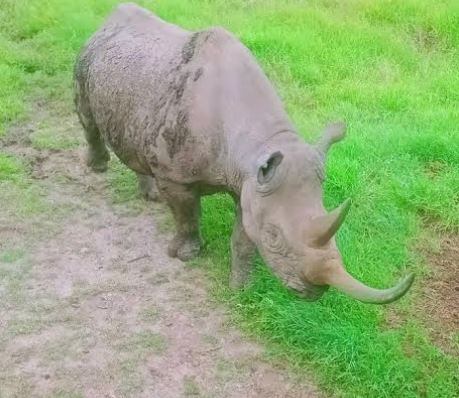
Fatu is one of the last two remaining northern white rhinos globally and currently lives at Ol Pejeta Conservancy in Kenya alongside her mother, Najin.
The two are the only surviving members of the northern white rhino subspecies after the death of the last male northern white rhino, Sudan, in 2018.
Scientists are now relying on preserved sperm, egg cells, in-vitro fertilization and embryo transfer technologies in an effort to revive the subspecies and secure its future.
By Kimani Tirus