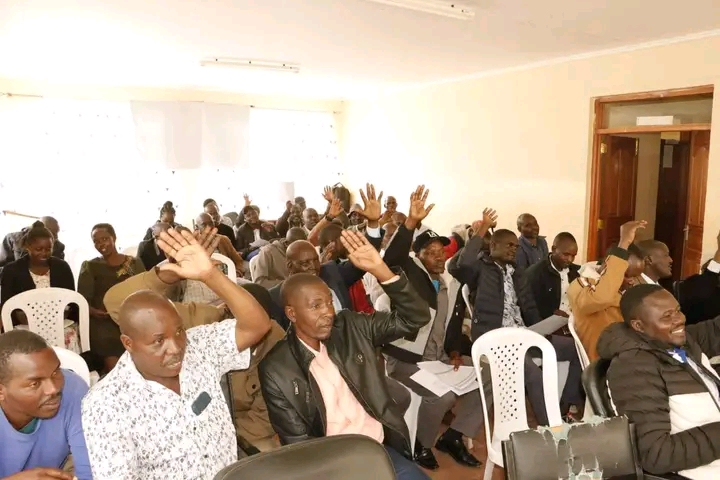
Residents of Tinderet sub-county have urged the national government to adopt a balanced and realistic fiscal plan that addresses the needs of ordinary citizens as the country finalizes the 2026-2027 financial year budget.
They said the spending plan should be prepared in a manner that does not push the country deeper into debt and persistent budget deficits.
A budget expert, Chrispine Omollo, said the country must shift from excessive borrowing and instead focus on disciplined expenditure, prudent revenue projections and investment in productive sectors capable of stimulating sustainable economic growth.
He observed that for many years, governments have continued to formulate ambitious budgets that rely heavily on external and domestic borrowing, leaving future generations burdened with huge debt repayment obligations.
According to the expert, the 2026/2027 budget should prioritize sectors that directly improve livelihoods such as agriculture, health, education, water and rural infrastructure while reducing unnecessary recurrent expenditure and luxury spending within government departments.
He noted that a practical budget must be anchored on actual revenue performance instead of exaggerated tax expectations that eventually create deficits during implementation.
Omollo argued that the government should strengthen tax compliance through widening the tax base rather than overburdening already compliant taxpayers and salaried workers with additional levies.
He explained that many small businesses in rural towns such as Tinderet, Chemelil, Songhor and neighboring trading centres continue to struggle with high operational costs, making it difficult for them to survive under heavy taxation.
Farmers and traders said the cost of living has remained high due to rising fuel prices and unstable market prices for produce.
A maize farmer from Songhor area, David Kipruto, said the government should channel more resources toward agricultural subsidies and extension services instead of spending heavily on administrative expenses and foreign travel.
He observed that agriculture remains the backbone of Nandi’s economy and empowering farmers would not only improve food security but also increase household incomes and tax revenues naturally through economic growth.
The farmer warned that continued borrowing to finance consumption-oriented expenditure risks weakening the economy further.
A businesswoman operating in Tinderet market, Rose Cherotich, called on the National Treasury to formulate a people-centred budget that protects small enterprises from collapse.
She stated that many traders are struggling to repay loans due to reduced purchasing power among wananchi, adding that increased taxation on fuel and essential commodities eventually hurts businesses and consumers alike.
Education stakeholders in Nandi County also urged the government to allocate sufficient funds toward capitation and technical training institutions to reduce the financial burden on parents.
A secondary school principal in Tinderet, Joseph Sang, said delayed disbursement of funds to schools has negatively affected learning programs and infrastructure development.
He said a sustainable budget should avoid wastage and corruption while ensuring resources reach intended beneficiaries in time.
According to him, prudent financial management would reduce the need for excessive borrowing and help stabilize the economy.
Youth leaders in the area further appealed for increased allocation toward job creation initiatives, agribusiness financing and digital innovation hubs to tackle unemployment.
A youth representative from Kapsabet, Brian Kibet, noted that many young people possess skills and business ideas but lack affordable financing and government support.
He said empowering youth economically would increase productivity and reduce dependency, thereby broadening the country’s revenue streams without introducing punitive taxes.
He further urged the government to curb corruption and seal loopholes responsible for loss of public funds.
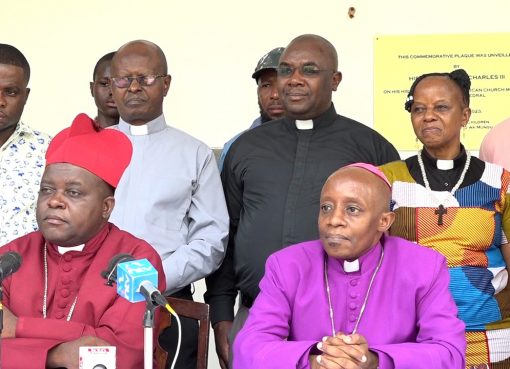
Religious and community leaders also emphasized the need for integrity, accountability and public participation in the budget making process.
A church elder from Kabiyet, Samuel Kirwa, said citizens want transparency on how taxes are utilized and why major projects often stall despite huge allocations.
Stakeholders proposed that the government should focus on the completion of ongoing projects before launching new ones, strengthen oversight institutions, promote local manufacturing and support value addition in agriculture to increase exports and revenue generation.
They maintained that a balanced 2026-2027 budget can only succeed if it is guided by fiscal discipline, realistic revenue estimates and prioritization of development projects that directly improve the welfare of citizens.
By Sammy Mwibanda