Rice and horticulture farmers in Mwea Constituency, Kirinyaga County, have expressed optimism that the ongoing rehabilitation of roads within the Mwea Irrigation Scheme will boost agricultural production, reduce transport costs, and minimize post-harvest losses.
For many years, poor road infrastructure has remained a major challenge for farmers in the rice-growing region, negatively affecting transportation of produce to markets and contributing to declining productivity within the irrigation scheme.
Farmers operating under the scheme have consistently complained about the deplorable state of roads despite paying annual operations and maintenance fees of Sh5,000 to the National Irrigation Authority (NIA), funds they say should partly be used to improve services within the scheme.
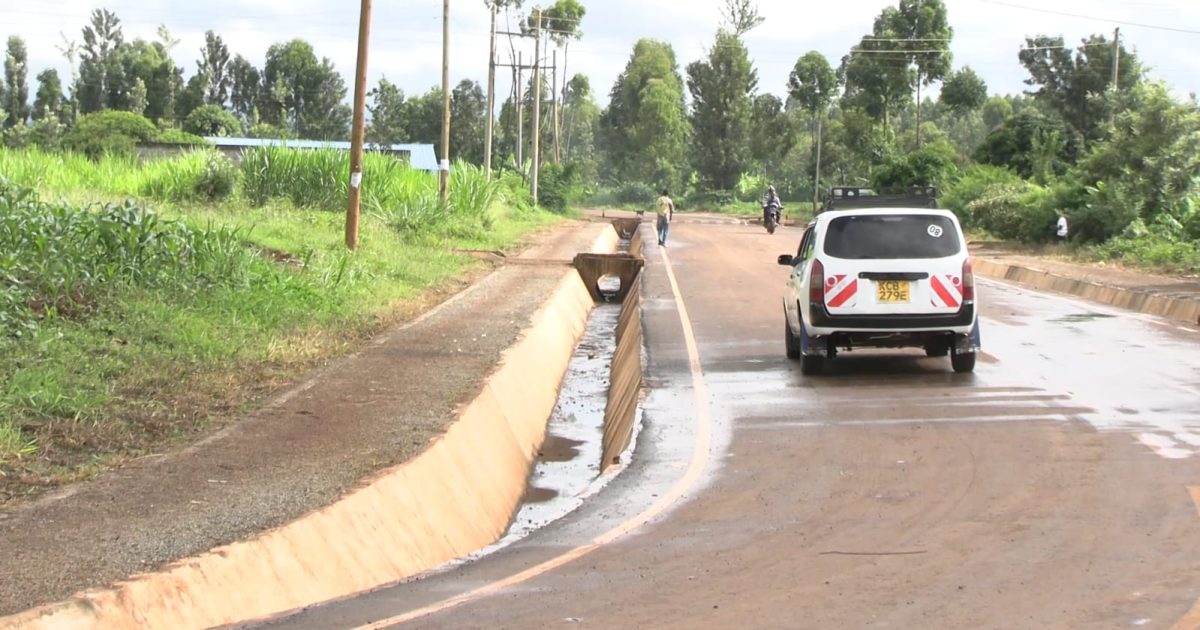
Currently, several roads are undergoing rehabilitation as part of efforts to open up the expansive irrigation scheme, improve accessibility, and enhance movement of farm produce to markets.
Among the roads under construction is the Kutus–Kithiriti–Karie road, a project residents and farmers say is already transforming transport and economic activities in the area.
Speaking to KNA, rice farmer Hillary Njue said the poor state of roads had for years subjected farmers to heavy losses due to high transport costs and delayed access to markets.
Njue noted that farmers were previously forced to spend huge amounts of money transporting rice and tomato from farms to market centers because vehicles could barely access the area, especially during rainy seasons.
“We have suffered for a long time because of poor roads. Transporting rice from the farms to Kutus town was very expensive and at times impossible when it rained,” said Njue.
He added that the ongoing road works are expected to significantly lower transportation costs and enable farmers to maximize profits from their produce.
According to Njue, the improved road network has already enhanced connectivity between major market centers including Kutus, Kabatiro, and Kithiriti, making movement easier for both farmers and traders.
Horticulture farmer Evelyn Wambui also welcomed the project, saying poor roads had greatly affected farmers dealing with perishable produce such as tomatoes, vegetables, and fruits.
Wambui said many farmers incurred losses after their produce went bad before reaching the market due to transport delays caused by impassable roads.
She observed that buyers can now easily access farms using the rehabilitated roads, enabling farmers to secure better prices for their produce.
“The roads are helping us a lot because buyers can now come directly to the farms. Previously, many avoided this area because of the poor condition of the roads,” she said.
Wambui further noted that the improved infrastructure has enhanced access to essential government services located at Kutus town, which hosts the Kirinyaga County headquarters.
Wambui said the road project is also expected to improve social services by easing movement for school-going children, patients seeking healthcare services, and traders transporting goods to various markets within Mwea and neighbouring areas.
“During rainy seasons, some sections of the roads became nearly impassable, forcing residents to use alternative longer routes while transport charges for both passengers and goods increased significantly,” she noted.
John mwangi, a trader expressed confidence that the improved road network will stimulate economic growth in the region by attracting more businesses and investors to the agricultural-rich constituency.
Mwangi appealed to the government to extend the road project towards Karie area to connect it with the Mwea–Embu highway, saying this will further open up Mwea Constituency and spur economic growth.
“The completion of the road network will not only improve agricultural activities, but also attract investment and improve the livelihoods of residents in the region,” said Mwangi
The ongoing road rehabilitation is part of broader efforts, aimed at improving infrastructure in agricultural zones to support food production and market accessibility.
By David Wandeto